Life in Dubai for expats from Azerbaijan has a particular warmth to it: the flight home is short, the languages overlap — Russian and Turkish open doors here as well as at home — and a small but established Azerbaijani community keeps traditions alive far from the Caspian. What newcomers notice most is the balance. Dubai offers tax-free salaries, safety and big-city energy, while Azerbaijani food, music and hospitality are findable if you know where communities gather, which shops stock familiar ingredients and how to build a social circle in your first months.
Meeting the Azerbaijani Community in Dubai
The Azerbaijani community in the UAE is modest in size compared with some larger expatriate groups, and that can make it feel close-knit once you find it. Community life tends to gather around business networks, cultural celebrations and informal social media groups rather than a single neighbourhood or association building. Practical ways in include:
- Community and cultural events organised around national occasions such as Novruz Bayram, which falls in March and is widely marked by Azerbaijani families at home and in community settings
- Azerbaijani and wider Caucasus and Central Asian business groups, where trade, energy and logistics professionals meet
- Online community groups for Azerbaijanis in the UAE on social platforms — search by city and join the groups that are active and moderated
- Restaurants, bakeries and shops serving Caucasus cuisine in Deira and other established expatriate districts, which double as informal meeting points
Because details of groups and events change quickly, verify any event through the organiser’s official page and be cautious about sharing personal documents or money in online groups. Official cultural announcements also appear through Azerbaijani diplomatic channels serving the UAE, so the mission’s official website and social feeds are worth following for national-day receptions and public celebrations.
Food From Home: Ingredients, Restaurants and Cooking
Finding a taste of Azerbaijan starts with ingredients. Large UAE supermarkets and specialty stores stock many staples Azerbaijani cooks need — saffron, dried fruits, nuts, herbs, lamb and Caspian-style teas — while Russian, Turkish and Iranian grocery shops, particularly in Deira and Al Barsha, are often the best hunting grounds for items such as specific cheeses, lavash, sour plum and pomegranate products, and chestnuts for plov. Prices for imported specialty items are higher than at home; as a guide, budget around AED 30 to AED 80 for a basket of imported treats that would cost far less in Baku. Restaurants serving Azerbaijani dishes such as dolma, kebabs, qutab and shah plov appear and change in Dubai’s fast-moving dining scene, and many residents also rely on Turkish, Iranian and Uzbek restaurants whose menus overlap closely with Azerbaijani tastes. Home cooking fills the gaps: Dubai’s fish markets carry Caspian favourites when in season, and ordering specialty parcels from visitors travelling from Baku remains a beloved tradition. For Novruz, plan ahead — ingredients for samani, shekerbura and pakhlava sell quickly wherever Azerbaijani, Iranian and Central Asian families shop for the same holiday table.
📸 Follow @dxbtalk1 on Instagram for daily Dubai in photos →
Faith, Language and Family Life
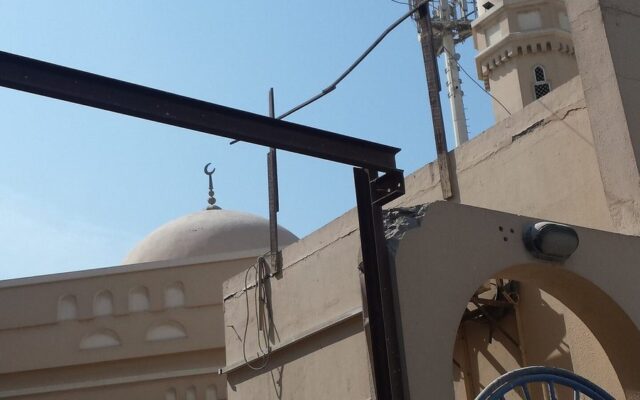
Azerbaijani Muslims will find mosques in every Dubai neighbourhood, daily prayer facilities in malls and workplaces, and a city that organises its calendar around Ramadan with public iftars and reduced working hours. Friday congregational prayer and Eid celebrations are major community moments, and Azerbaijani families often combine UAE traditions with their own recipes and gatherings at home. Language is a genuine advantage here: Azerbaijani speakers usually manage well with Turkish-speaking colleagues and businesses, Russian is widely used in real estate, tourism and trade, and English remains the city’s main working language — investing in stronger English still pays off in faster career progress. For children, there is no Azerbaijani-curriculum school in Dubai, so families choose between British, American, IB and Russian-language options and keep Azerbaijani alive at home through reading, video calls with grandparents and summer trips. Weekend habits grow around the climate: parks, beaches and desert trips from October to April, and malls, indoor sports and home gatherings in the hotter months.
Making Dubai Feel Like Home
The expats who thrive treat the first six months as a building project. Join one community channel and one activity with nothing to do with nationality — a running club, a five-a-side football group, a professional association — so your circle includes the city’s full mix. Learn the systems early: how Ejari, Dewa, Nol cards and Salik tolls work, which Amer centre is nearest, and how to check your visa file online. Money habits matter too: with no income tax it is tempting to spend the difference, but Azerbaijani residents who build savings and send planned — not impulsive — remittances home generally report the least stress. Stay connected to home deliberately: the short flight makes long weekends in Baku realistic, video calls are easy with the small time difference of around zero to one hour depending on the season and daylight arrangements, and hosting visiting parents in Dubai during the mild winter months is a highlight many families repeat every year. Respect local laws and customs, including rules on dress in public places, alcohol licensing and photography, and the city is an easy place to be a guest who becomes a resident.
FAQ
Is there an Azerbaijani school or Saturday school in Dubai?
There is no established Azerbaijani-curriculum school. Ask through community groups about informal language classes or tutors, and check any advertised class is properly organised before enrolling children.
Where can I celebrate Novruz in Dubai?
Families celebrate at home, and community and cultural events are announced through Azerbaijani community groups and official mission channels nearer the date. Book restaurants serving Caucasus food early, as the period is busy.
How big is the time difference between Dubai and Baku?
Very small — the two cities are in neighbouring time zones and the difference is typically around an hour or less depending on seasonal clock changes, which makes calls and business with Azerbaijan straightforward.
Dubai rewards Azerbaijanis who build both a local life and a home connection. For more on communities, food, family life and making the city yours, visit DXB Talk and browse the Lifestyle category archive.