Moving from Angola to Dubai swaps the Atlantic breeze of Luanda for the hum of a desert city that never really sleeps — but many Angolans find the adjustment easier than expected. Dubai is built on newcomers: the food is international, Portuguese is heard more often than you might think thanks to the wider Lusophone community, and there is a small but growing African expat scene to plug into. This guide covers where the community gathers, how to find the flavours of home, and the everyday things that make the city feel familiar faster.
Finding the Angolan and Lusophone Community
There is no single “Angolan quarter” in Dubai, so community life runs through networks rather than neighbourhoods. Start with social media groups for Africans and for Portuguese speakers in Dubai, and with African community events, church services and cultural festivals that run through the year. Portuguese-speaking congregations and Brazilian and Portuguese community events are often the easiest first door for Angolans, since the language is shared. African hair salons, barbers and grocery shops in areas such as Deira, Bur Dubai, International City and Al Barsha also act as informal information exchanges — jobs, rooms, events and advice all pass through them.
Work networks matter too. Angolans in Dubai work across hospitality, aviation, trade, energy services and logistics. LinkedIn and industry meetups help, but word of mouth within the community often finds opportunities first, so showing up regularly is what turns contacts into friends.
A Taste of Home: Food and Ingredients
Finding Angolan staples takes a little hunting, but it is very doable:
- African grocery shops in Deira and Bur Dubai stock items such as palm oil, dried and smoked fish, cassava products and fufu flours from West and Central Africa
- Large hypermarkets (Carrefour, Lulu and Union Coop) carry okra, plantain-style bananas in some branches, beans, maize meal and a wide spice range
- Online African grocery stores delivering across Dubai list ingredients for dishes like funge accompaniments, grilled fish marinades and bean stews
- African restaurants in Deira, Bur Dubai and JLT serve grilled meats, jollof-style rice dishes and stews from across the continent — menus rotate, so check recent reviews before you go
For a home-cooked muamba or calulu, you may substitute some ingredients at first — but between the African shops and online delivery, most Angolans in Dubai manage to cook properly from home within a few weeks of arriving.
📸 Follow @dxbtalk1 on Instagram for daily Dubai in photos →
Everyday Life: Faith, Music and Weekends
Dubai’s licensed places of worship include churches across several denominations, many with African congregations and some with Portuguese-language services — check listings and community boards for current times. Music is another anchor: Afrobeats and Afro-house nights run at venues around the city, and kuduro and kizomba fans will find kizomba social dances and classes advertised through dance studios and community pages. These nights are where a lot of the community actually meets, so they are worth finding early.
On weekends, the city is generous: public beaches, parks with barbecue areas, and malls with everything from cinemas to ice rinks. Many African expats favour beach days at Kite Beach or Al Mamzar and park gatherings where a proper grilled lunch stretches all afternoon.
Practical Comforts That Help You Settle
A few habits smooth the first months. Keep your papers in order — tenancy contract (Ejari), Emirates ID and a local bank account unlock almost everything else. Learn the metro and the Nol card early; taxis and ride-hailing apps fill the gaps. Expect the summer heat to reshape your routine: outdoor life moves to mornings and evenings from June to September, and hydration is not optional. Stay connected to home with the money transfer and calling options covered elsewhere on this site, and plan calls around the time difference — Angola is two to three hours behind Dubai depending on daylight saving abroad. Finally, be patient with bureaucracy: nearly every process in Dubai has a clear sequence, and once you learn the sequence, the city becomes very manageable.
FAQ
Where do most African expats live in Dubai?
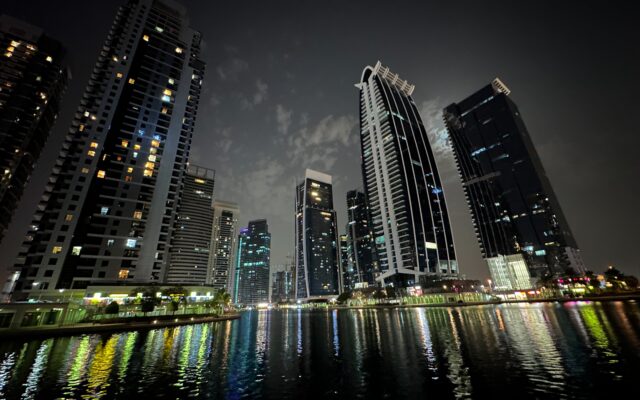
There is no single area, but Deira, Bur Dubai, International City, Al Barsha and JLT are popular for their rents, transport links and African shops and restaurants.
Can I find Angolan food in Dubai?
Dedicated Angolan restaurants are rare, but African shops and restaurants cover most staples and flavours, and online African grocers deliver key ingredients across the city.
Is Portuguese useful in Dubai?
English is the working language, but a real Portuguese-speaking community exists — Brazilian, Portuguese, Mozambican and Angolan residents — and Portuguese appears in some churches, events and businesses.
Settling into the Emirates? Visit DXB Talk and browse the Lifestyle category for community, food and weekend ideas.
Related Guides
- Life in Dubai for Expats From Armenia: Community, Food and Finding a Taste of Home
- Life in Dubai for Expats From Uzbekistan: Community, Food and Finding a Taste of Home
- Life in Dubai for Expats From Pakistan: Community, Food and Finding a Taste of Home
- Kazakhstan Weekend Comforts in Dubai: Food and Community