

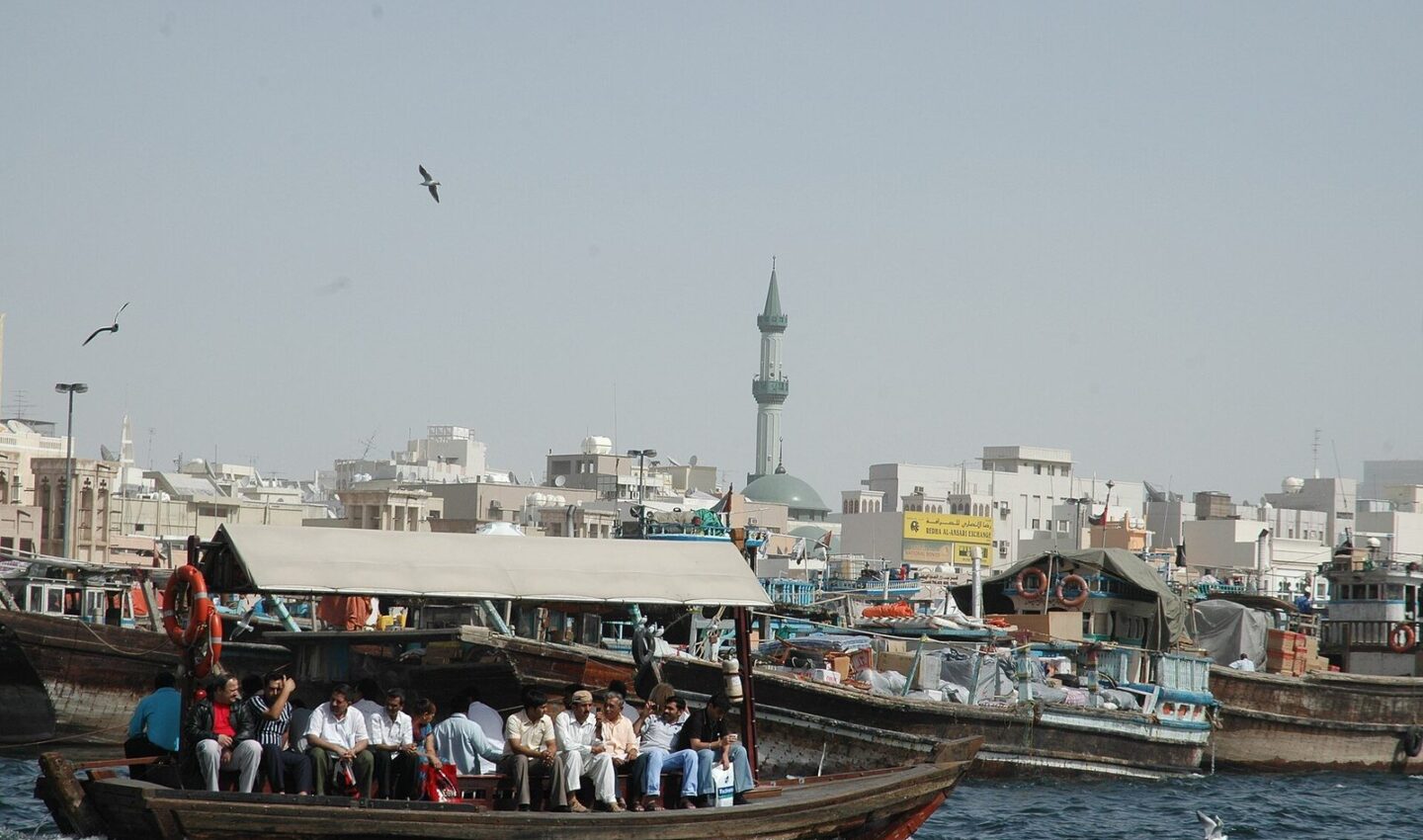
The richest hours of any trip to Dubai tend to happen in its oldest places: a heritage house in Al Fahidi with wind-tower walls, a Creek-side mosque at prayer time, a museum courtyard smelling of coffee and dust. Those places ask something of visitors in return. Respect at a cultural site is not a formality — it is the price of admission to the real experience, and locals can tell within seconds whether a guest has paid it.
Before You Visit: Preparation Is a Courtesy
A few minutes of homework changes everything. Check opening times, entry rules and dress requirements in advance — heritage sites and religious buildings often run shorter or different hours around prayer times and holy days, and some close to visitors during worship entirely. Learn a little of the site’s significance before you arrive: a wind tower means more when you know it was air conditioning, and a dhow means more when you know it fed a pearling fleet. Understand the photography rules too. Many sites welcome cameras; others restrict them, especially around religious observance and inside prayer spaces — assume the stricter rule until a sign or a staff member tells you otherwise. For complex historic sites, a guided visit earns its cost: guides turn walls into stories.
During the Visit: The Behaviour That Gets Noticed
Dress modestly where it is required — and where it is merely appreciated, dress modestly anyway; shoulders and knees covered costs nothing and opens doors, sometimes literally, as staff relax around visitors who have made the effort. Keep your voice down in sacred and reflective spaces; these are working places of worship and memory, not sets. Do not touch artefacts, displays or old structures unless you are invited to — coral-stone walls and centuries-old woodwork are more fragile than they look. Ask before photographing people, always, and accept a refusal with a smile; a gracious no accepted well often turns into a conversation, which is worth more than the photograph. Stay on marked paths and out of restricted areas, however good the angle looks from the other side.
📸 Follow @dxbtalk1 on Instagram for daily Dubai in photos →
What Respect Buys You
Here is the part brochures understate: respectful visitors simply get more. Staff explain things they would not mention to the tour group that talked through the briefing. Fellow visitors share what they know. The experience deepens from sightseeing into something closer to being hosted. Courtesies cost nothing and are noticed — in both directions.
A Particular Note on Religious Sites
Religious buildings deserve their own paragraph, because the etiquette is specific. Some mosques in Dubai run organised open-door visits for non-Muslim guests — a tradition the city is known for — and joining one is the correct way in: the visit is guided, dress expectations are explained (and often garments are provided), and questions are not just tolerated but invited. Outside an organised visit, treat prayer spaces as private: admire the architecture from where visitors are clearly welcome, and do not wander into prayer halls. Timing matters — visits around the five daily prayers change what is accessible — and Ramadan deepens everything: be discreet about eating and drinking in public during fasting hours near religious sites, and accept an iftar invitation if one comes; it is among the warmest experiences the city offers a guest.
It is worth saying plainly what respect is not. It is not nervousness, and it is not performance. Staff at Dubai’s heritage and religious sites welcome thousands of visitors a week, including the uncertain and the underprepared, with practiced patience. The line they respond to is effort: the visitor who checked the dress code, lowered their voice and asked a question is treated as a guest. The one who treated the place as a backdrop is treated as weather. Aim for guest. It is a better visit in every measurable way, and it is also simply how travel is supposed to work.
After You Leave
Resist the sprint to the next attraction. Let what you saw settle, and if something moved or puzzled you, read about it that evening — a visit that continues in your mind is worth a dozen reduced to photographs. A short journal note helps: the site, the one detail that struck you, the question you still have. Prepare a little, behave thoughtfully, stay curious — cultural sites repay that combination with the experiences people actually travel for.





