

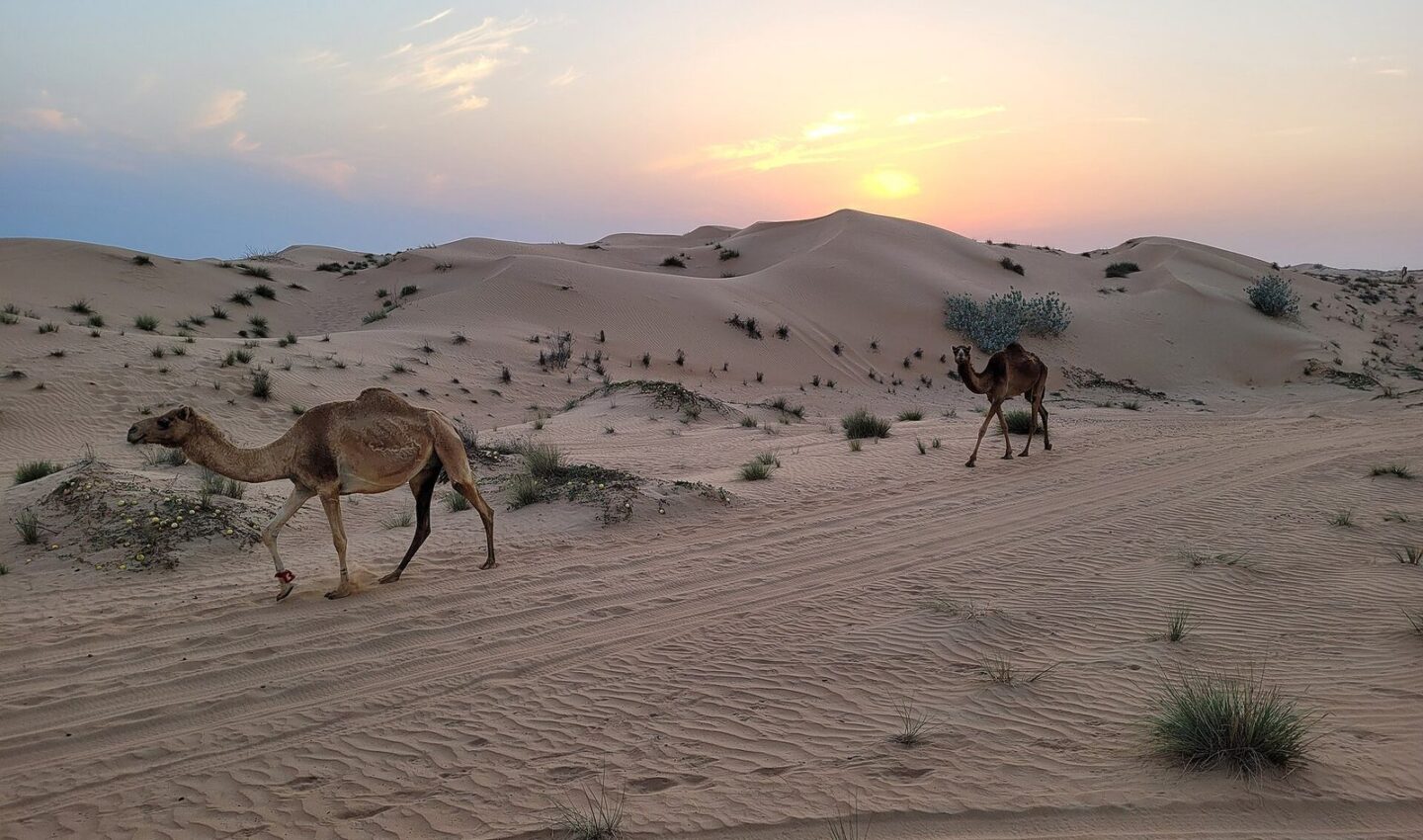
The desert safari is Dubai’s signature excursion — and its most variable one. Two visitors can pay similar prices on the same evening and come home with entirely different deserts: one with a skilled driver, a small group, a quiet camp and a sky full of stars; the other with a convoy, a queue and a headache. The difference is almost never luck. It is the choosing. Safaris differ in their driving, their camps, their group sizes and their honesty, and the market’s wide price spread reflects that. Here is how to read an offer, match it to the evening you actually want, and book the safari that deserves your one desert night.
First, Decide Your Desert
Safaris cluster around four appetites, and knowing yours is the whole game. The adventure version centres on the driving: a proper run over high dunes in a capable 4×4, sandboarding, perhaps quad bikes or a buggy session at the fence line. The culture version slows down — a gentler drive, a camp evening built around food, music, henna and falconry, time to watch the light change. Families need a third shape: shorter driving, milder dunes on request, early dinner, facilities that work for small children. Photographers need the fourth: a departure timed so the dunes get their golden hour, and a camp — or a private arrangement — that lets them stay out in it. Every safari advertises elements of all four. Your job is to identify which one is the product and which are garnish, because a thrill-seeker in a culture camp and a grandmother on a red-dune run have both simply booked the wrong evening.
The Season and the Crowd
The desert year runs from October to April, and inside it there are really two markets. In the peak weeks — late December, January, the school holidays — the reputable operators sell out their sunset departures days ahead and prices firm up; book early or accept the leftovers. November, February and March offer the same cool evenings with more choice and calmer camps, and the shoulder months reward flexibility on dates. Summer safaris exist and are cheaper, but they are a different product: a shorter, hotter evening, viable for the determined, best chosen with eyes open about the heat you will stand in at the camp. The choosing advice matters most exactly when everyone else is choosing too.
📸 Follow @dxbtalk1 on Instagram for daily Dubai in photos →
The Anatomy of an Offer
A safari price is a bundle, and the skill is unbundling it. Transfers: is hotel pickup included, and in what vehicle — a shared Land Cruiser doing a hotel circuit adds time you should count. The drive: how long is the actual dune drive, in which desert — the high red dunes farther out are a different experience from the gentler nearer fields — and is the driving the main event or a ten-minute prelude to camp? The camp: shared by how many, with what seating — floor cushions and low tables are traditional, but some camps offer table seating and premium areas — and what does the “included” dinner actually consist of? Activities: camel rides, sandboarding, henna and shows are commonly included; quad bikes, falcon photographs, shisha at the table and souvenir-tier extras are commonly not. None of this is hidden by good operators. It is simply unstated by bad ones, which is why the next step exists.
Questions That Sort the Market
Before paying, ask — in writing, where the answers can be checked later. What is the maximum number of guests per vehicle and per camp? How long is the dune drive itself? What is included in the price, item by item, and what is charged at the camp? What are the safety arrangements — seatbelts for all, licensed drivers, first aid — and the policy for children, pregnancy and back problems, on which responsible operators have clear rules? What happens if weather closes the desert, and what is the cancellation policy? A reputable company answers all of this the way a good tradesman quotes: precisely, without pressure. Vague answers, pressure to pay in full immediately, and prices dramatically below the market are the three classic tells of the evening you do not want.
On the Day Itself
Dress for sand and a cooling night: closed shoes, layers for after dark, nothing you love too much to dust off. Eat lightly before the drive and mention motion sickness early — the drivers know gentler lines and front seats exist for a reason. Keep the phone charged for the light show the dunes perform at sunset, then put it away for the camp’s own show. On conservation: the best operators run in protected areas such as the Dubai Desert Conservation Reserve or work to its standards elsewhere — licensed entry, no litter, wildlife given right of way — and choosing them is how the desert stays worth visiting. Book the shape you want, ask the questions, and the rest is the desert’s part of the bargain: it has never once failed to keep it.





