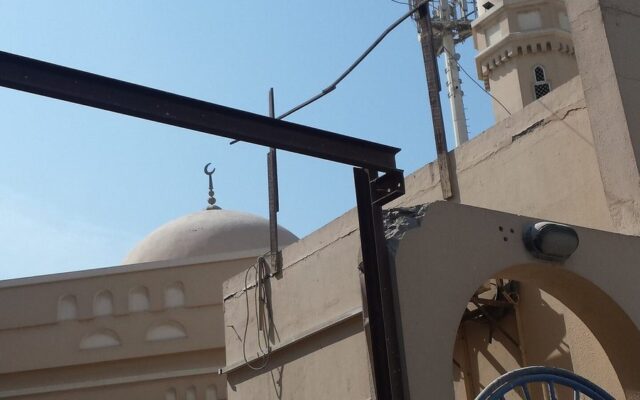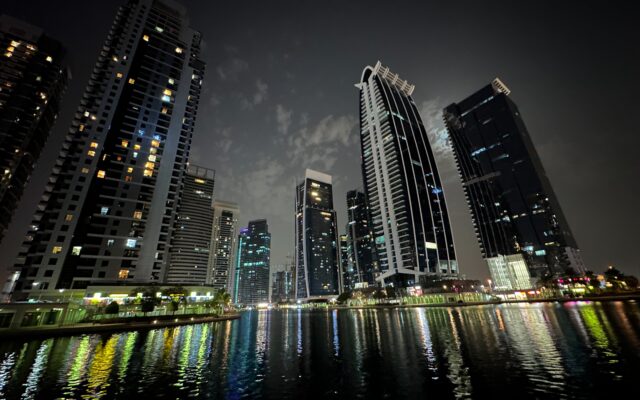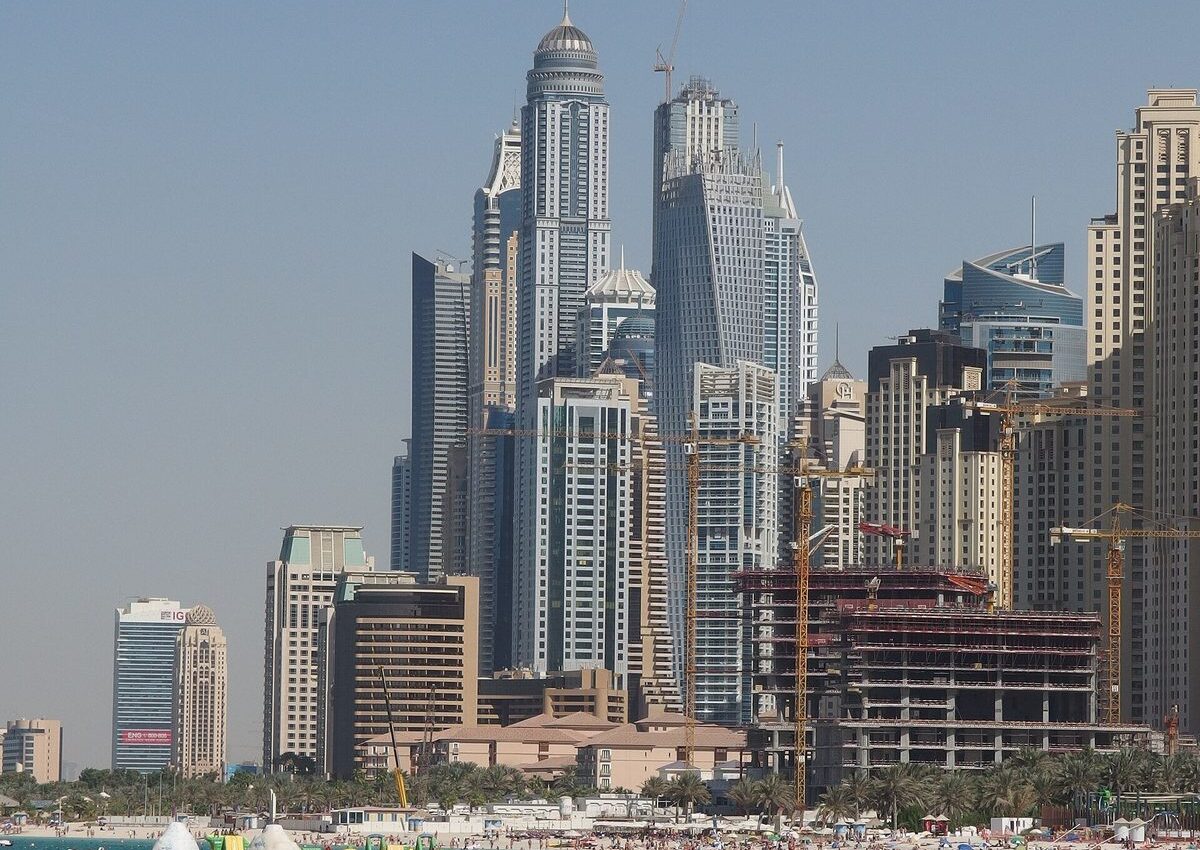
Stand on almost any Dubai street and the city’s defining trick is in front of you: a centuries-old hospitality custom being practised, without irony, in the shadow of a skyscraper finished last year. Dubai balances tradition and modern living not by splitting the difference but by running both at full strength — and the balance is not accidental. It is maintained, deliberately, in law, in design and in the small courtesies of an ordinary day.
Tradition as a Daily Rhythm
Newcomers notice the traditions gradually, because they live in behaviour rather than monuments. Respect for elders shapes how rooms are greeted. Family gatherings anchor the social week. Hospitality — welcoming a guest generously, feeding them before asking their business — operates as a lived value, not a slogan. Religious observance gives the calendar its heartbeat: prayer times structuring the day, the holy month reshaping the city’s hours and its evenings, national holidays marking the year. These rhythms influence working hours, social calendars and public behaviour across the city, for residents of every background who learn to move with them.
Modern Life, Fully Embraced
On the same street, the other current runs just as strongly. Government services arrive by app. Global business is conducted in towers that would be at home in any world capital. Entertainment, retail and dining operate at full international throttle, and the population — drawn from every continent — lives at modern speed. Residents move between the worlds without friction: a traditional family dinner one evening, a technology conference the next morning, an iftar with colleagues and a gallery opening in the same week. The code-switching is so complete that most people only notice it when a visitor points it out.
📸 Follow @dxbtalk1 on Instagram for daily Dubai in photos →
How the Balance Actually Works
The mechanism is mutual respect enforced by design. Modern development is expected to honour cultural norms — in architecture that borrows the wind tower and the courtyard, in public life that observes the calendar’s sensitivities — while tradition, in turn, adapts to a diverse, fast-moving population without surrendering its core. The result is a lifestyle that feels simultaneously rooted and open: anchored in Emirati identity, yet genuinely welcoming to the world. Newcomers who appreciate both sides — who learn the customs while enjoying the modernity, rather than treating either as an obstacle — tend to settle happiest and stay longest.
Raising the Next Generation Between Cultures
For families, the balance becomes personal. Children here grow up in schools that teach international curricula alongside local culture and Arabic, in classrooms of twenty nationalities, celebrating a calendar of everyone’s festivals. Parents weigh the same questions everywhere — roots and wings — but Dubai poses them in their purest form, and many families conclude the combination is a gift: children fluent in the future and respectful of the past. Dubai’s balance is not a compromise between old and new, negotiated down to the middle. It is the city’s character, practised daily — the majlis and the metro, the call to prayer and the push notification, sharing one skyline and one street, each making the other more itself.
The Newcomer’s Shortcut
For a newcomer, the balance is learned fastest through small participations rather than observation. Accept the coffee and the dates. Learn the greetings and use them. Dress with the room in mind, keep the holy month’s etiquette without being asked, and accept invitations into the traditional side of life when they come — a family iftar, a heritage tour, a wedding’s edge — because those hours teach more than any guidebook. The modern city will take care of itself; it is thrust upon you. The traditional city opens to those who knock politely. Residents who do both find the famous balance stops being a puzzle and becomes simply the texture of their lives.
Stand once more on that street and the trick looks simple: neither city is pretending. The skyscraper does not apologise for rising beside the old custom, and the custom does not perform for the skyscraper. That mutual ease — rare among the world’s fast-built cities — is the balance itself, and it is why so many who came to Dubai for two years are, decades later, still explaining to visitors that they never quite found a reason to leave.