Ask ten Dubai residents about daily life in Al Sufouh and you will get ten confident answers, at least four of which are out of date. This guide sticks to how things work now: the systems involved, the steps in their real order, and the details that decide whether it goes smoothly or becomes a story you tell at dinner.
Memberships, contracts and the fine print
Dubai gyms sell hard on annual deals, so compare the monthly-equivalent cost rather than the headline offer, and ask exactly what happens if you move, freeze, or cancel. Paid-in-full annual memberships are cheapest but least flexible; monthly rolling contracts cost more and suit anyone whose housing or job plans may change. Class packs work well in Al Sufouh because studio timetables vary — buy a small pack first and see which classes you actually attend.
Before signing in Al Sufouh, check three things: peak-hour crowding (visit at the time you would train), what is included (towels, parking, classes, guest passes), and the freeze policy for travel and Ramadan schedule changes. Reputable gyms will put the terms in the app or contract; pressure to pay a ‘today only’ price is a sign to walk away and compare.
What the gym scene looks like here
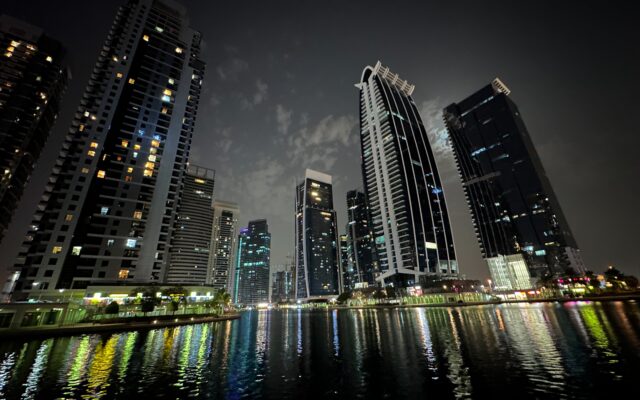
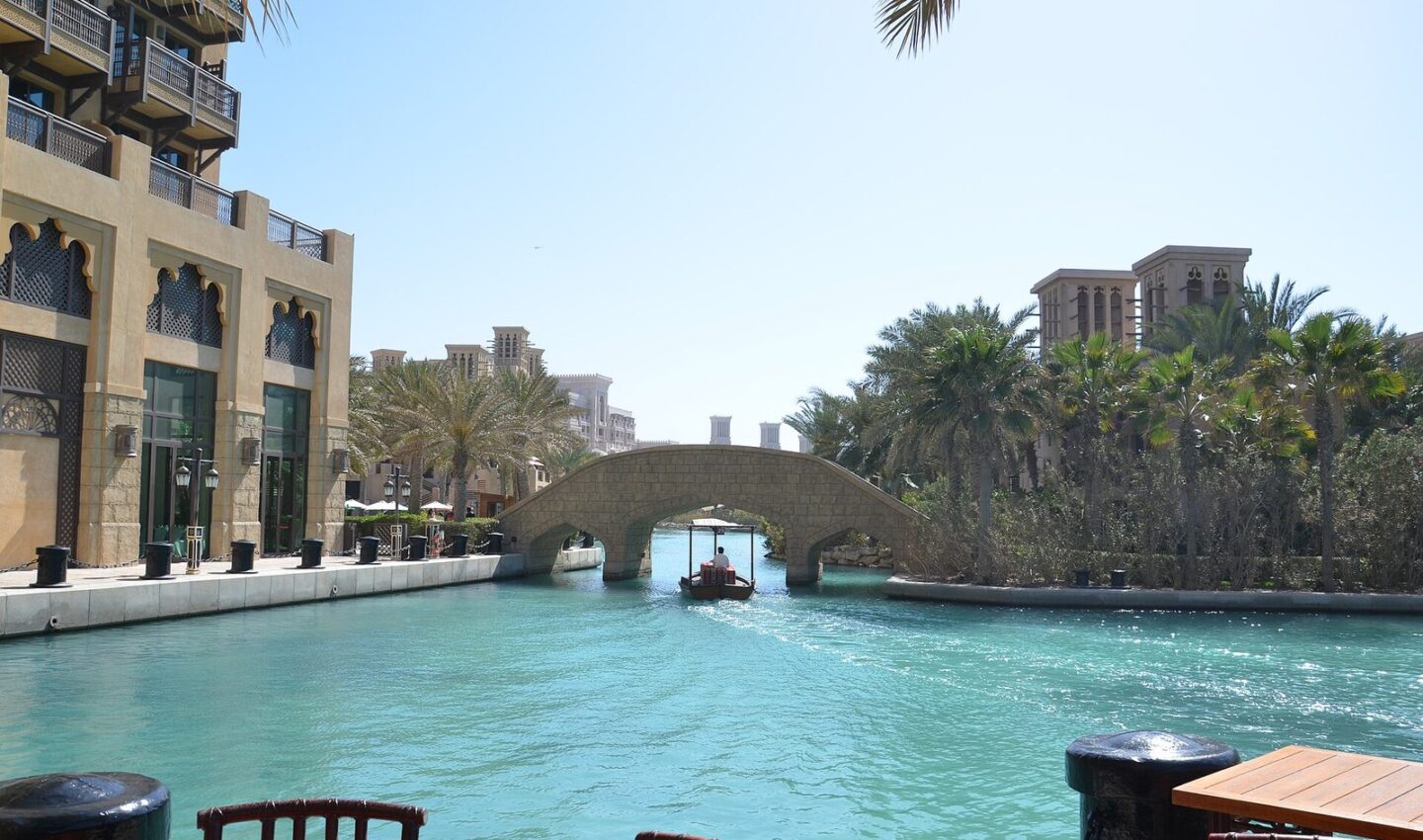
Al Sufouh is a quiet coastal strip between the Marina and Al Barsha, home to villas, palaces and media free zones nearby. Fitness options follow the housing: tower and podium gyms inside residential buildings cover the basics for many residents, while standalone gyms and boutique studios cluster near the retail strips. Expect the usual Dubai split — big-box chains with long hours, mid-range local gyms, and premium studios selling classes rather than equipment time.
In Al Sufouh, most residents start with the building gym if they have one and upgrade only if it gets crowded at peak hours. The wider choice sits a short drive or one retail cluster away: chain gyms, CrossFit-style boxes, yoga and Pilates studios, and ladies-only facilities, which are common across Dubai and worth asking about specifically if that matters to you.
📸 Follow @dxbtalk1 on Instagram for daily Dubai in photos →
Classes and training culture
Class schedules in Dubai lean early and late — sunrise sessions before work and busy evenings after 6pm, with quieter mid-mornings. In Al Sufouh, group classes at the bigger gyms cover the staples (spin, HIIT, yoga, Pilates, boxing conditioning), while independent instructors run smaller groups in parks and community spaces during the cooler months. Personal training is widely offered; agree the number of sessions, expiry and cancellation rules in writing before paying for a block.
Ramadan changes the rhythm: many gyms in Al Sufouh open later, run reduced daytime classes and get busy after iftar. Summer does the opposite — indoor training peaks and outdoor bootcamps pause. If you are joining mid-year, ask how the timetable shifts across seasons so the membership still fits your routine in August.
Documents and preparation
Dubai runs on a short list of documents that recur everywhere: passport, Emirates ID, tenancy contract and Ejari where housing is involved, salary or income evidence where money is involved, and photographs in the current specification. For anything under this guide’s topic, assemble your set before you start — originals for in-person steps, clean scans on your phone for everything else.
Attestation is the preparation step newcomers underestimate: documents issued abroad (degrees, marriage and birth certificates above all) often need the attestation chain — home authority, UAE embassy, UAE foreign affairs — before a Dubai process will accept them. If your situation touches any of those, start that chain first; it is the longest pole in almost every tent.
The seasonal angle
Almost everything in Dubai has a season. Summer compresses life indoors and slows some official processes as people travel; the winter months crowd the diaries, the roads and the appointment systems; Ramadan reshapes working hours and the rhythm of the day itself. Where timing is yours to choose, choose deliberately: the same task can be a calm errand in one month and a campaign in another, purely because of when the whole city is trying to do it too.
Common questions
Can I do most of this online?
Mostly, yes — Dubai has moved the majority of resident transactions into official apps and portals. The steps that still need your presence are usually biometrics, medicals, signatures and original-document sighting. Start online, and attend in person only for the step that requires your body.
Where do residents get reliable local detail?
Community groups for your district, school or workplace hold the lived detail — which branch is quick, what the process felt like last month. Combine that texture with the official source for the rule itself, and you have the full picture.
What is the most common mistake?
Acting on out-of-date advice. Systems here change yearly; a friend’s experience from a previous contract or a previous visa is a starting point, not a rule. The second most common mistake is paying an intermediary for a step the official app handles directly.
Where do residents get reliable local detail?
Community groups for your district, school or workplace hold the lived detail — which branch is quick, what the process felt like last month. Combine that texture with the official source for the rule itself, and you have the full picture.
The bottom line
The pattern underneath daily life in Al Sufouh is the pattern underneath most of Dubai life: the systems work, the paperwork is the price, and preparation is the discount. Do it once, properly, and you join the residents who find this city easy. More step-by-step resident guides live at dxbtalk.com.