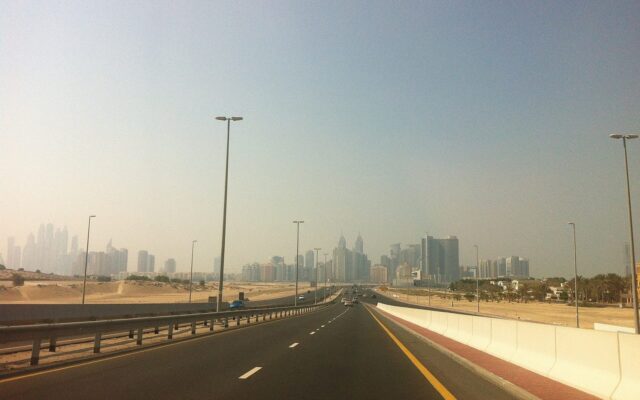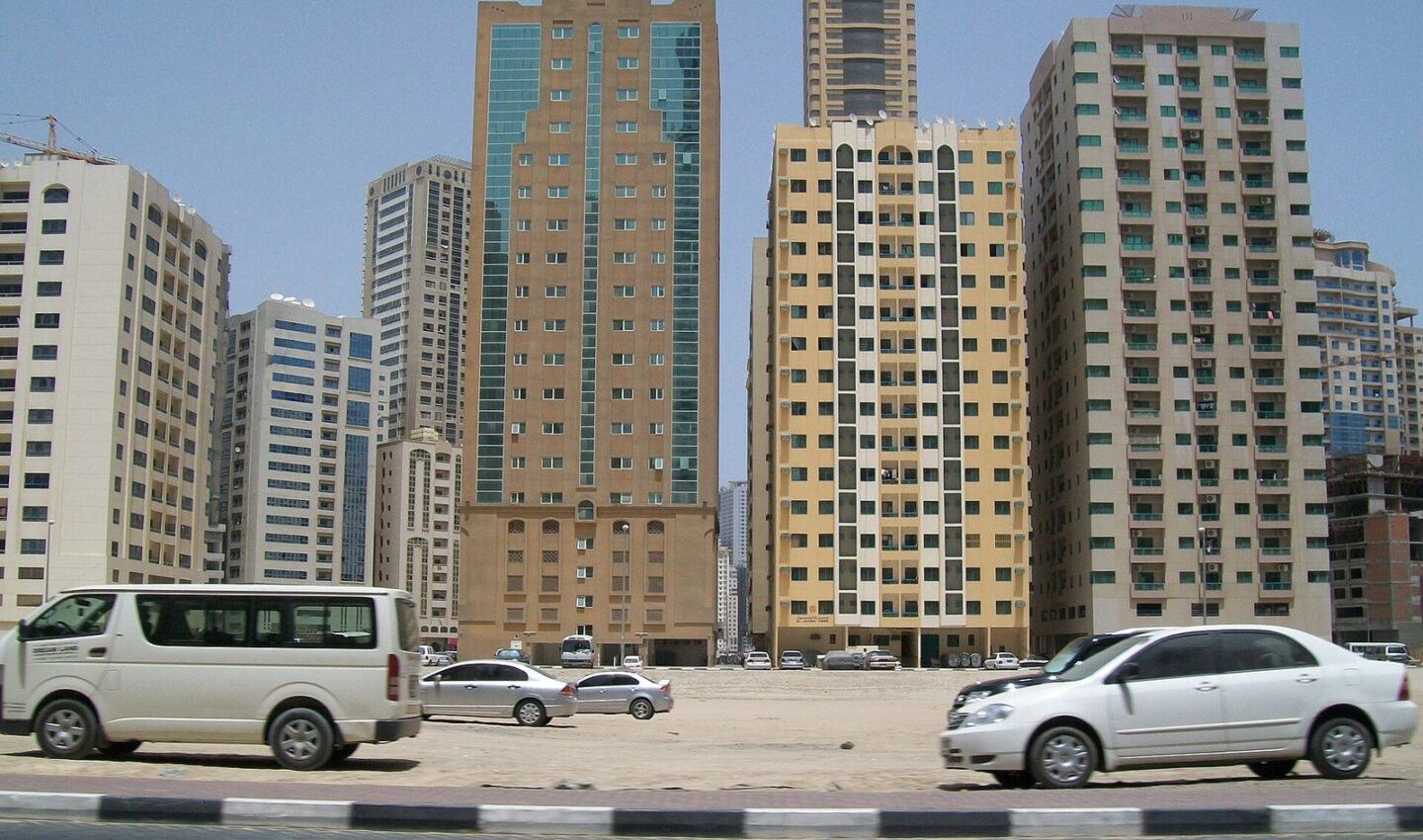
This is a practical guide to daily life in Al Nahda — written for people who live here, not visitors passing through. It covers the systems you will deal with, the documents and decisions that matter, and the mistakes that cost residents time and money, in the order you will actually meet them.
Delivery apps and the weekly rhythm
Most Al Nahda residents now split shopping between a weekly big shop and app top-ups. The supermarket apps, plus aggregators and quick-commerce services, deliver in slots or in under an hour depending on the service; fresh-food quality on delivery is generally reliable, but many families still pick meat, fish and fruit in person at the weekend shop. Set a default list in the app — Dubai grocery prices reward loyalty schemes and card-linked offers more than most cities.
Friday and the pre-Ramadan weeks are the congestion peaks; weekday mornings are the calmest in-store hours in Al Nahda. During Ramadan, supermarkets extend hours late into the night and the big shop moves after iftar — adjust your rhythm rather than fighting the car park at 6pm.
The supermarket landscape in Al Nahda
Al Nahda is a dense apartment district on the Sharjah border, popular with commuters for its larger flats. Grocery shopping here follows the citywide pattern: a large hypermarket or supermarket anchors the main retail cluster (Carrefour, Spinneys, Waitrose, Lulu, Union Coop and Choithrams divide most of Dubai between them), mid-size supermarkets fill the gaps, and small baqalas — the beloved corner groceries — handle top-up shops and will often deliver to your door by phone or WhatsApp.
Each chain has a personality worth learning: Union Coop leans local and price-competitive, Spinneys and Waitrose carry the widest imported ranges, Carrefour and Lulu win on breadth and promotions, and the discounters (Viva, Nesto) suit bulk basics. In Al Nahda, do one full comparison shop at two chains in your first month — the basket difference over a year is real.
📸 Follow @dxbtalk1 on Instagram for daily Dubai in photos →
Markets, specialty shops and saving money
Beyond the chains, Al Nahda residents use the Waterfront Market in Deira for fish, meat and produce at scale, the Al Awir wholesale market for bulk fruit and veg, and ethnic grocery stores for home-country ingredients — the city’s Indian, Filipino, Korean, Russian and African grocers are small shops with deep stock. Organic and specialty shopping runs through a handful of dedicated stores and farm-box schemes delivering across Dubai.
To keep the bill down: buy own-brand staples (the quality is high in UAE chains), watch the midweek promotion cycles, and treat imported treats as the luxury line they are. A family that cooks most meals at home in Al Nahda spends a fraction of one that defaults to delivery apps — the single biggest grocery lever in Dubai.
Costs: how to think about the money
Resist any single quoted figure for daily life in Al Nahda — including from well-meaning friends. Costs here split into official fees (published, fixed, and worth checking on the authority’s own schedule rather than through an intermediary), market prices (negotiable, seasonal, and different by district), and the hidden third category: the cost of doing it in the wrong order, which usually arrives as a second fee, a second trip or a second deposit.
Build your budget from three live quotes wherever the market is involved, add a contingency you genuinely keep untouched, and treat ‘cheap’ offers that skip official steps as the most expensive option on the table. In Dubai the boring, receipted route is almost always the cheapest route by the end of the year.
Common questions
What is the most common mistake?
Acting on out-of-date advice. Systems here change yearly; a friend’s experience from a previous contract or a previous visa is a starting point, not a rule. The second most common mistake is paying an intermediary for a step the official app handles directly.
Where can I double-check the current rules?
On the official channel for the authority involved — its website, app or service centre — because fees, hours and procedures for daily life in Al Nahda are updated by official decision and summaries like this one age. Verify the step you are about to pay for, on the day you pay for it.
What is the most common mistake?
Acting on out-of-date advice. Systems here change yearly; a friend’s experience from a previous contract or a previous visa is a starting point, not a rule. The second most common mistake is paying an intermediary for a step the official app handles directly.
Where do residents get reliable local detail?
Community groups for your district, school or workplace hold the lived detail — which branch is quick, what the process felt like last month. Combine that texture with the official source for the rule itself, and you have the full picture.
The bottom line
The pattern underneath daily life in Al Nahda is the pattern underneath most of Dubai life: the systems work, the paperwork is the price, and preparation is the discount. Do it once, properly, and you join the residents who find this city easy. More step-by-step resident guides live at dxbtalk.com.