Getting around Dubai sustainably used to mean one thing: the Metro, and a long walk at either end. It does not mean that any more. The city has quietly assembled a whole toolkit of lower-impact ways to move, trains, shared cars, electric scooters, bicycles, boats, and most residents use several of them without ever calling it a lifestyle. This is a practical tour of the toolkit: how each option actually fits into a Dubai week, where each one shines, and where each one stops making sense.
Start With the Spine: Metro, Tram and Bus
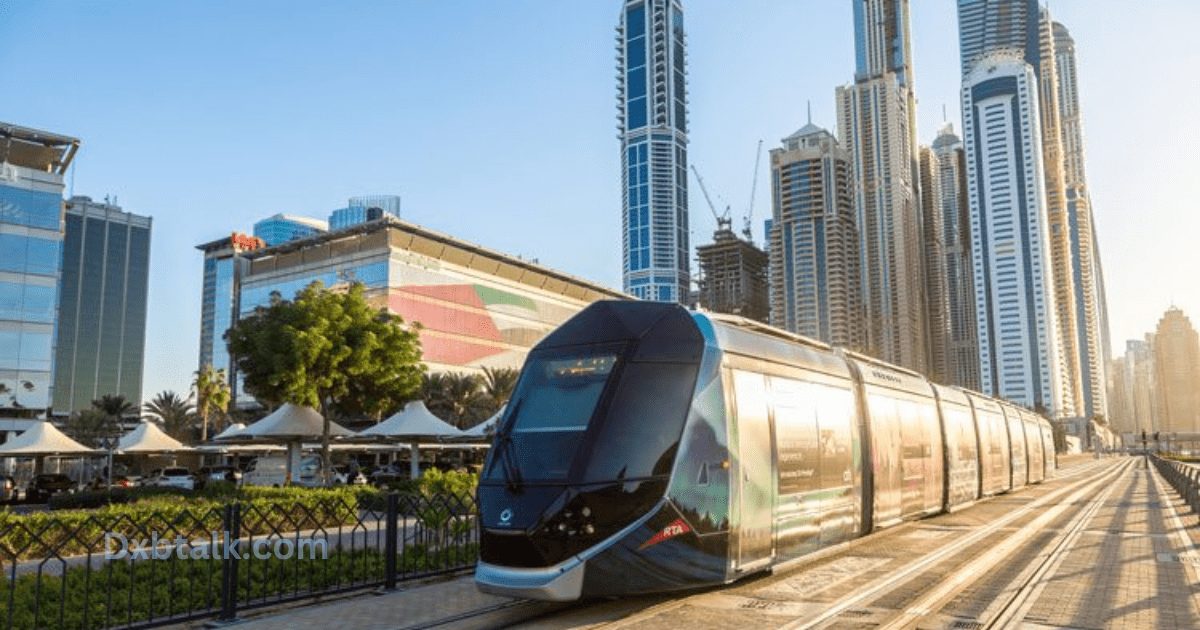
The Dubai Metro is the backbone everything else hangs from. Fully automated and energy-efficient, it strings the city’s key districts along two lines and moves enormous numbers of people without a single exhaust pipe. If your journey begins and ends anywhere near a station, it is almost always the cleanest and calmest way to travel, and the one against which every other option should be compared. The bus network completes the picture: Dubai’s public buses cover the districts the trains cannot reach, and the RTA has been steadily introducing hybrid and electric buses, so the network gets cleaner as it grows. The honest way to think about public transport here is as a system rather than a vehicle: Metro for distance, bus for the gaps, one card for both.
The Last Kilometre: E-Scooters and Bicycles
Most car journeys in Dubai are short, and short is exactly where the light options win. E-scooters, hired through apps such as Careem, Lime and Tier, have become the default way to cover the final stretch between a station and a front door in the districts where they operate: quick, cheap, energy-efficient and genuinely enjoyable. Bicycles do the same job with exercise built in. Dedicated cycling lanes and tracks have spread across the city, bike rental services are easy to find, and for residents near the tracks, the morning ride has become a commute rather than a hobby. Both options share one honest limitation: Dubai’s summer. In the cooler months they are first-choice transport; in August they are for the short hop and the committed, and there is no shame in planning around the heat.
📸 Follow @dxbtalk1 on Instagram for daily Dubai in photos →
Sharing Instead of Owning: Cars and Taxis
Sustainability is not only about fuel; it is also about how many cars exist. Car-sharing services such as Udrive and ekar let you rent a car by the minute or hour, which quietly removes the need for thousands of residents to own a vehicle that sits parked twenty-two hours a day. Fewer cars owned means fewer manufactured, less parking consumed and less congestion for everyone. When you do need a taxi, Dubai’s fleet increasingly answers with hybrids, vehicles that combine petrol and electric power to cut emissions and fuel use on exactly the stop-start city driving where conventional cars waste the most. The greenest car trip is usually the one that never becomes a car purchase, and Dubai’s sharing economy is built on that idea.
The Scenic Route: Water and the Palm
Some of the city’s most pleasant journeys are also its oldest and newest green ones. Water taxis and the traditional abras cross Dubai Creek and ply the waterways on cleaner fuels, turning a commute into the best cheap sightseeing in the emirate; generations of residents have crossed the Creek this way, and the abra remains proof that low-impact transport is not a new invention. Out at the Palm Jumeirah, the Monorail glides visitors and residents along the trunk to Atlantis in clean, efficient style. Neither replaces the Metro for a working day, and neither tries to. They are reminders that in Dubai, the sustainable option is sometimes also the one with the view.
Putting It Together
The realistic pattern for a Dubai resident looks like this: Metro for the spine of the journey, a scooter or bicycle for the last stretch, car-sharing for the weekly big shop or the trip with luggage, a hybrid taxi when the heat or the hour demands it, and the abra whenever the Creek is on the way, because some choices justify themselves. None of it requires heroism, and all of it compounds: every shared, electric or human-powered kilometre is one the city does not have to build another road for. Dubai is often described as a city built for cars. Spend a month using the toolkit above and you will describe it differently: a city that is quietly, practically, learning to move without them.