

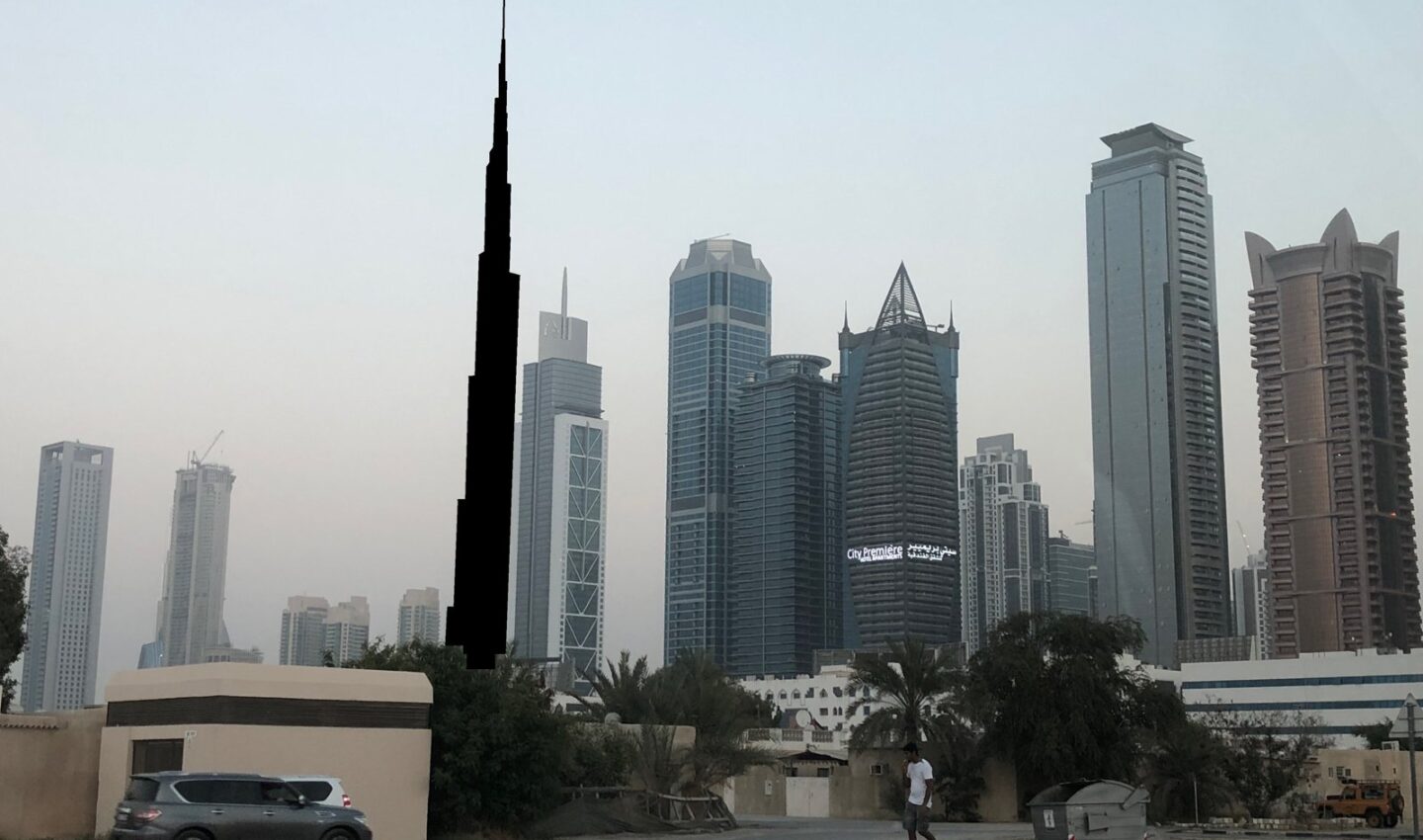
Ask an Indian creative in Dubai where their freelance permit lives and you will hear a geography lesson: Media City for media, Internet City for tech, Knowledge Park for education and training, Abu Dhabi’s twofour54 for content, Sharjah’s Shams for the budget-conscious. The zones compete, the products rhyme, and the differences are in activity lists, prestige and price.
Here is the route map without the sales pitch.
Reading the zones like a buyer
Dubai’s TECOM clusters run the best-known freelance platform (GoFreelance): media activities under Media City, technology under Internet City, education under Knowledge Park — one application logic, activity-specific permits, and the signalling value of a Dubai media address when you invoice agencies. twofour54 in Abu Dhabi courts the same creative economy with its own permit (and a media ecosystem around studios and production). Shams in Sharjah built its name on lower-cost packages that bundle permit and visa aggressively; RAKEZ and Fujairah’s Creative City compete in the same value bracket with wider activity lists.
Choose on three axes. Activity fit: your exact work must appear on the zone’s list in words a client recognises. Total cost: permit plus visa plus establishment charges plus insurance, year one and renewal year — the cheapest headline is rarely the cheapest bundle. Ecosystem: if your clients are Dubai agencies, a Dubai cluster’s permit reads natively on a purchase order; if your clients are all overseas and online, the ecosystem argument weakens and price may rightly win. None of the zones restricts where in the UAE you may live or travel for work — the permit is federal in effect, local in branding.
- Activity names matter commercially: ‘content creator’, ‘media consultant’ and ‘marketing services’ open different client doors.
- Some zones bundle a visa allocation with the permit; others sell the permit alone — confirm which you are buying.
- Renewal prices, not launch offers, are the honest comparison: ask for year-two numbers in writing.
How a freelance route is structured
A freelance setup has two separate layers: the permit (your licence to work independently, issued by a free zone or a permit platform) and the residence visa that lets you live in the UAE on the back of it. Some packages bundle both; in others you arrange the visa after the permit is issued, sometimes through the same free zone.
Your permitted activities are the ones printed on the permit — media, education, consultancy, technology and similar professional categories — and clients contract with you under that permit. Work outside the listed activities, or a full-time job with one employer, is outside what the permit covers.
📸 Follow @dxbtalk1 on Instagram for daily Dubai in photos →
What permit issuers ask for
- Passport valid for at least six months and a recent photograph
- CV and portfolio or work samples in the activity you are applying under
- Degree or professional certificates, attested, for regulated activities
- Reference letters or client evidence, where the free zone asks for proof of experience
- For applicants already resident: current visa and Emirates ID copies, plus an NOC if your current sponsor requires one
- Proof of income or bank statements — some routes set a minimum prior-earnings level
The business habits that keep freelancers legal
A freelance permit legalises your work; your habits keep it that way. The patterns that draw trouble are consistent: invoicing a single ‘client’ who behaves as an employer, drifting into activities your permit does not list, letting insurance or the permit itself lapse between renewals, and running income through accounts that leave your bank record unable to prove the story your next application tells.
Run the practice like the small business it is — written contracts, matched invoices and bank credits, a renewal calendar with slack in it — and every future file (family, Green Visa, banking) opens on evidence that already agrees with itself.
Mistakes that catch Indian applicants out
The same avoidable errors recur across thousands of files. These are the ones that attach to this route most often:
- Buying a launch offer whose renewal doubles, from a zone whose activity list never matched your work.
- Assuming a prestigious zone’s permit commands higher rates by itself — clients pay for portfolios; the permit just makes the invoice legal.
- Ignoring visa allocation and discovering your package’s residence must come from a different sponsor at extra cost.
Questions Indian applicants ask
Can I switch zones at renewal?
Yes — permits are annual products; many freelancers migrate as their work changes. Sequence the new permit before cancelling the old residence chain to avoid status gaps.
Do free zone freelancers need a local office?
No — freelance permits are designed for individuals without premises; a flexi-desk or no-desk package is the norm, which is the point of the product.
Before you apply
Visa rules, fees and eligibility for Indian citizens change with little notice, and the version that applies to you is the one in force on the day you apply. Before paying anyone or booking non-refundable travel, verify the current requirements on the official portals — the Federal Authority for Identity, Citizenship, Customs and Port Security (ICP) at icp.gov.ae and, for Dubai-issued visas, the GDRFA — or through the airline or Amer centre handling your application.




