Dubai’s transport story is usually told in metro lines and highway lanes. Its oldest chapter, though, is written on water — the Creek that made the city a port, crossed for centuries by wooden boats that still run today, now joined by modern water taxis stitching the new waterfronts together. Travelling by water here is not a novelty act. It is transport, sightseeing and history lesson folded into a single ride.
The Abra: Dubai’s Oldest Journey
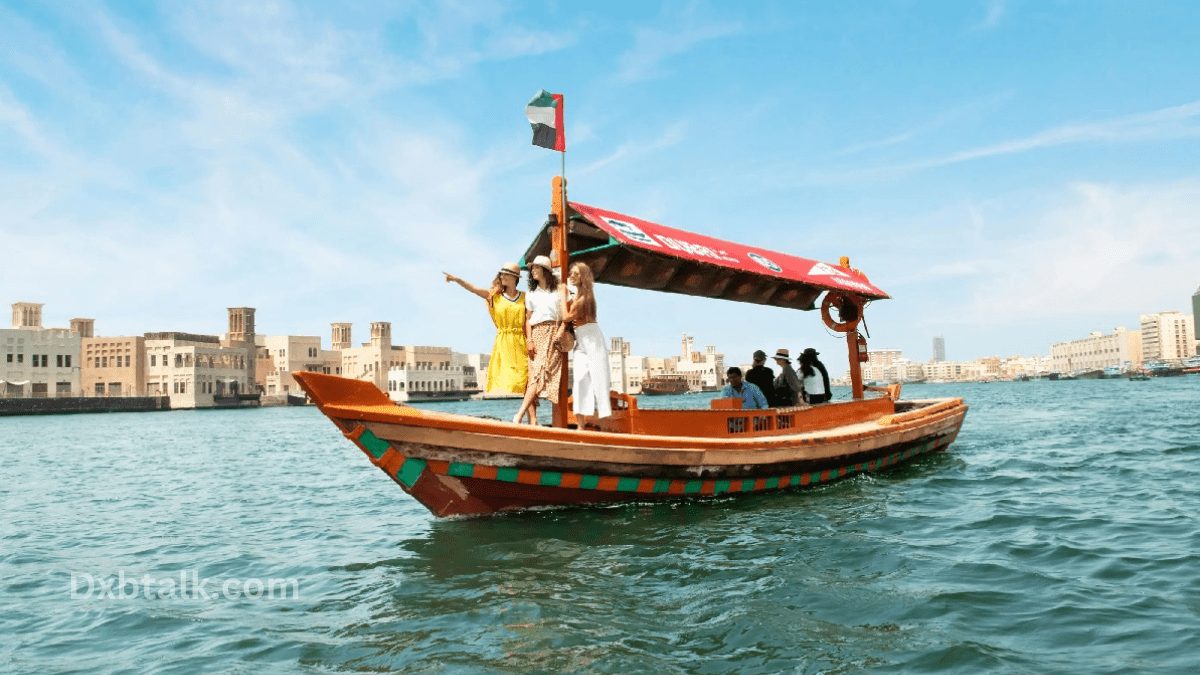
The abra is the essential Dubai ride: a traditional wooden boat, open to the sky, ferrying passengers across the Creek between the old city’s two banks. Abras have carried people this way for generations — traders, workers, shoppers — and the crossing remains gloriously unchanged in character: board at the station, settle on the wooden bench, and watch Deira’s wharves slide past as Bur Dubai approaches. The ride is short and the fare is famously small; the experience is the point. It puts you on the water at the level the city was built from, with the smell of the Creek and the call of the boatmen — the single most authentic journey in Dubai, hiding in plain sight as public transport.
Water Taxis: The Modern Chapter
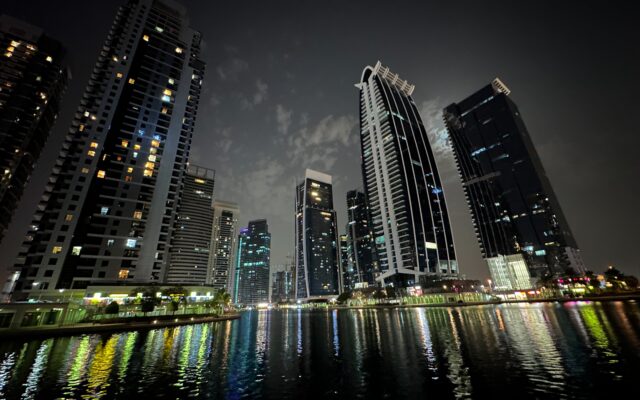
Where abras are communal and historic, water taxis are private and contemporary: bookable boats offering a comfortable, personal way to move between waterfront destinations. They serve the new Dubai — routes connecting areas like Dubai Marina, the Palm Jumeirah and Downtown’s waterways — turning a road journey between waterfront districts into a straight line across the bay. For visitors, they double as private sightseeing cruises at transport prices of logic: the skyline from the water, the Palm from its own element, no traffic light encountered. For residents, they are the celebration version of getting home — the dinner guest impressed, the evening extended by the journey itself.
📸 Follow @dxbtalk1 on Instagram for daily Dubai in photos →
What the Water Shows You
Every city looks designed from its water, and Dubai — a city largely built facing its water — looks designed twice. From a boat, the Creek’s old trading quarters read as the working port they were; the Marina reads as a canyon built for the view from below; the Palm makes its shape’s sense only from the sea. Water transport also solves a practical problem in a city of congestion: the waterways run empty while the roads fill, and waterfront-to-waterfront journeys can be startlingly direct. Add the simple pleasure of moving slowly through a fast city, sea breeze included, and the case completes itself.
The Creek Crossing, Step by Step
For the abra, the ritual is part of the charm. Stations sit on both banks of the Creek — on the Bur Dubai side near the old souks and textile market, and across in Deira within reach of the gold and spice quarters — so the crossing naturally stitches the old city’s two halves into one walkable visit. You board as the boat fills, pay the small fare on board, and the crossing takes only a few minutes of engine and breeze. Go in the hour before sunset for the light the photographers wait for, ride back after dark for the lit skyline, and combine it with the souks on either shore. No booking, no app, no queue management — the system has run on habit and hand signals for longer than the metro has existed, and it still moves the old city beautifully.
Choosing Your Ride
Take the abra for the Creek, for history, and for the joy of the shortest great journey in the city — ideally at golden hour, combined with the souks on either bank. Take a water taxi for distance, comfort and occasion: the group transfer, the waterfront dinner arrival, the tour that is secretly transport. Check schedules and booking channels before you go, as services and stations evolve, and carry a layer for evening crossings. Dubai built itself from this water. Riding it is not a detour from understanding the city — it is the original route.