Dubai is a photographer’s delight, and the surprise is how many of its most striking locations are public places anyone can enjoy for free. Whether you shoot on a phone or a dedicated camera, the city offers dramatic skylines, historic lanes, waterfronts and desert light — often within a short journey of each other. You do not need access, credentials or luck. You need timing, patience and an eye for the edges of the day.
Skylines and Modern Icons
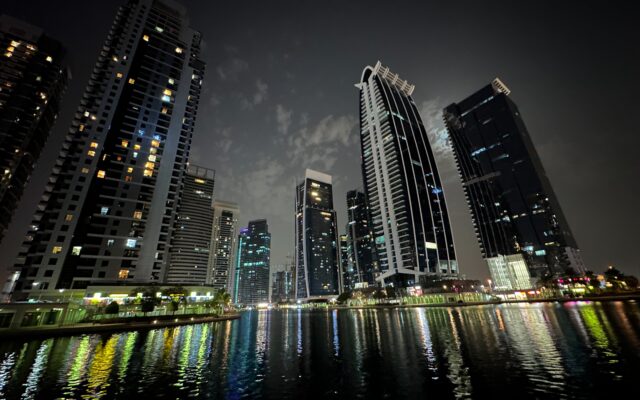
The modern city photographs best at the edges of the day. Early morning brings soft light and quiet streets; sunset turns glass towers gold before the city begins to glow. Work from waterfront promenades and public viewpoints for wide compositions, and use reflections in water or glass to add depth to simple shots. The most useful trick costs nothing: find foreground interest — a palm tree, a boat, a street detail — rather than photographing towers alone. The best skyline shots almost always have something human-scale in the frame, because a tower on its own is a picture of a building, while a tower behind a working boat is a picture of a city.
Old City Character
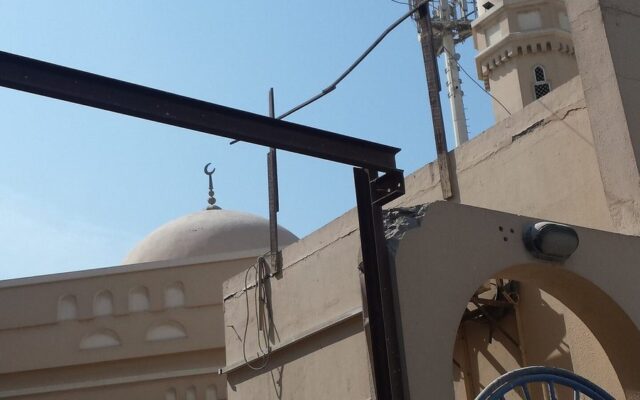
The historic districts offer a completely different palette: warm stone, narrow lanes, wooden boats and market colours. These places photograph beautifully in morning light, when shadows are long and the lanes are less crowded. Details matter here more than panoramas — a carved door, a stack of spices, a wind tower against the sky. Slow down and look for small scenes rather than trying to capture everything at once. The old city’s gift to a photographer is texture, and texture is found at walking pace, at arm’s length.
📸 Follow @dxbtalk1 on Instagram for daily Dubai in photos →
Tips for Better Photos
Shoot during the golden hour — the hour after sunrise and before sunset — for the most flattering light the city offers. Keep the horizon straight and watch the edges of your frame for distractions before you press the button, not after. Be respectful: ask before photographing people closely, especially in residential and religious areas. Check the local rules on photography and drones before you shoot, as these can change and vary by location, and a fine or a confiscated memory card ruins any picture. Finally, take fewer, better shots rather than hundreds you will never sort — the discipline of choosing improves the choosing.
Public Places, Seriously Taken
Dubai’s most photogenic places are not hidden. They are the public spaces everyone shares, which means your photograph of them has to earn its keep through light, angle and attention rather than exclusivity. Visit them slowly, at the right hour, and the photographs will follow.
Waterfronts, Deserts and the Space Between
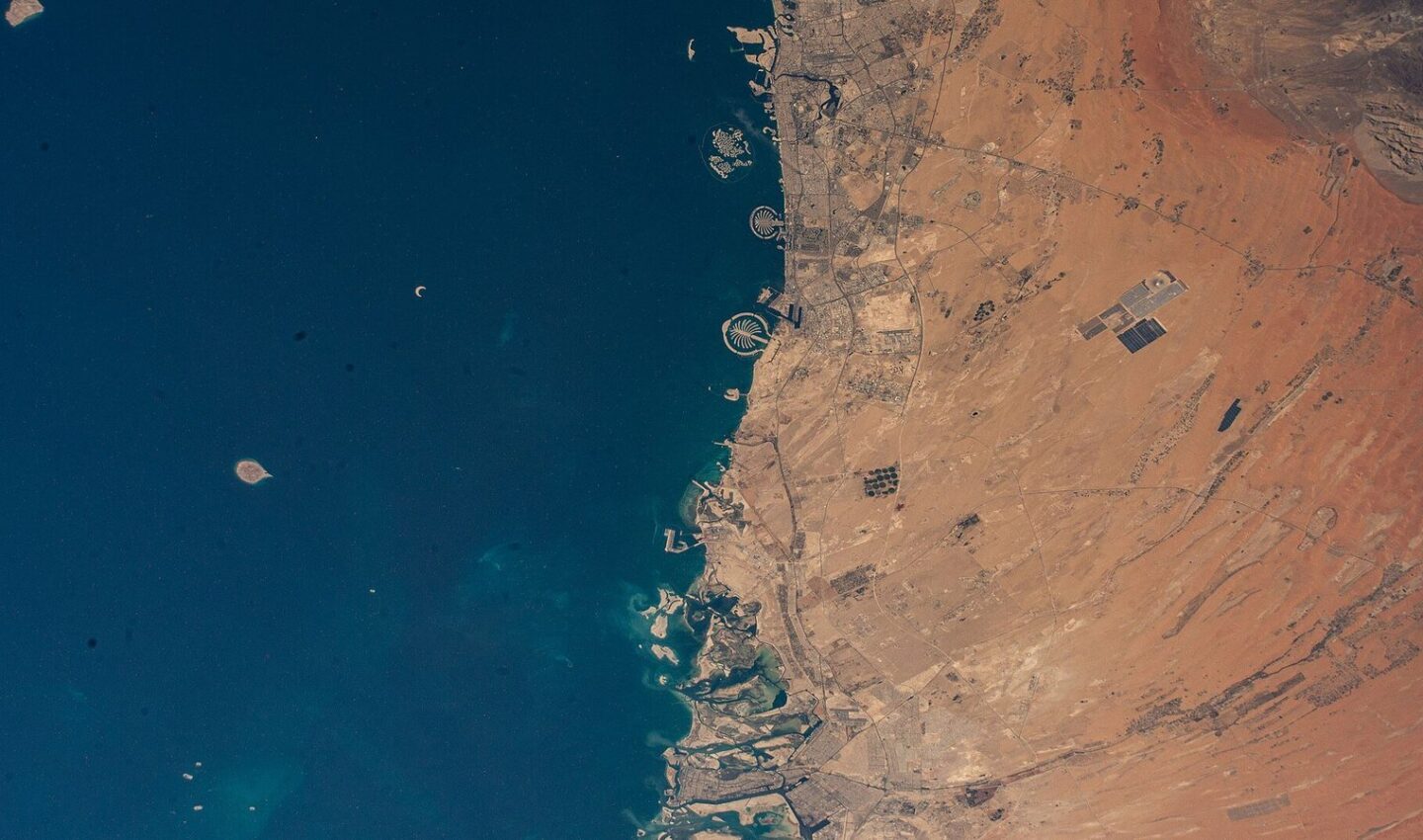
Two more palettes complete the city’s range. The waterfronts — marinas, creek banks, beach promenades — give you movement and reflection, best in the blue hour just after sunset when the lights come on and the water doubles them. And an hour’s drive changes the subject entirely: the desert at the city’s edge, where the photograph is about emptiness, dune lines and a sky that takes up most of the frame. Photographers who only shoot the architecture miss half the assignment. Dubai is a city built between water and sand, and its most honest portraits include both.
A Simple Assignment for Your Next Walk
Choose one district and one hour — sunrise or sunset — and take only ten photographs, chosen slowly. No monuments required. A doorway, a delivery bike at rest, gulls over the Creek, a café window steaming in winter: the small frames are where a city’s character actually lives, and where your own eye develops. Ten deliberate photographs will teach you more about photographing Dubai than a thousand hurried ones, and they will be the ones you keep.