Turn on a tap in Dubai and you are, in a very real sense, drinking the Arabian Gulf. The great majority of the city’s drinking water begins as seawater, drawn from the coast, stripped of its salt in vast industrial plants and delivered to homes, hotels and fountains across the emirate. In a desert city with almost no rain and no rivers, desalination is not a backup plan. It is the plan — and Dubai has built one of the largest water-from-the-sea systems on the planet to run it.
A City With No Rivers
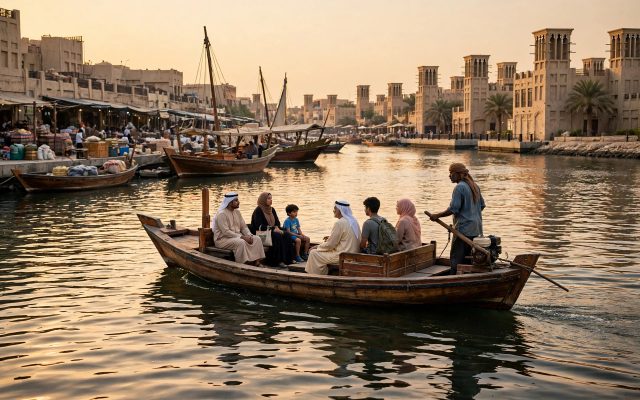
Start with the geography. Dubai receives only a few days of rain in an average year, has no permanent rivers or natural freshwater lakes, and its groundwater is limited and brackish. For the small Creek-side town of the past, wells and water carried from inland springs were enough. For a global city of millions, they are not remotely enough.
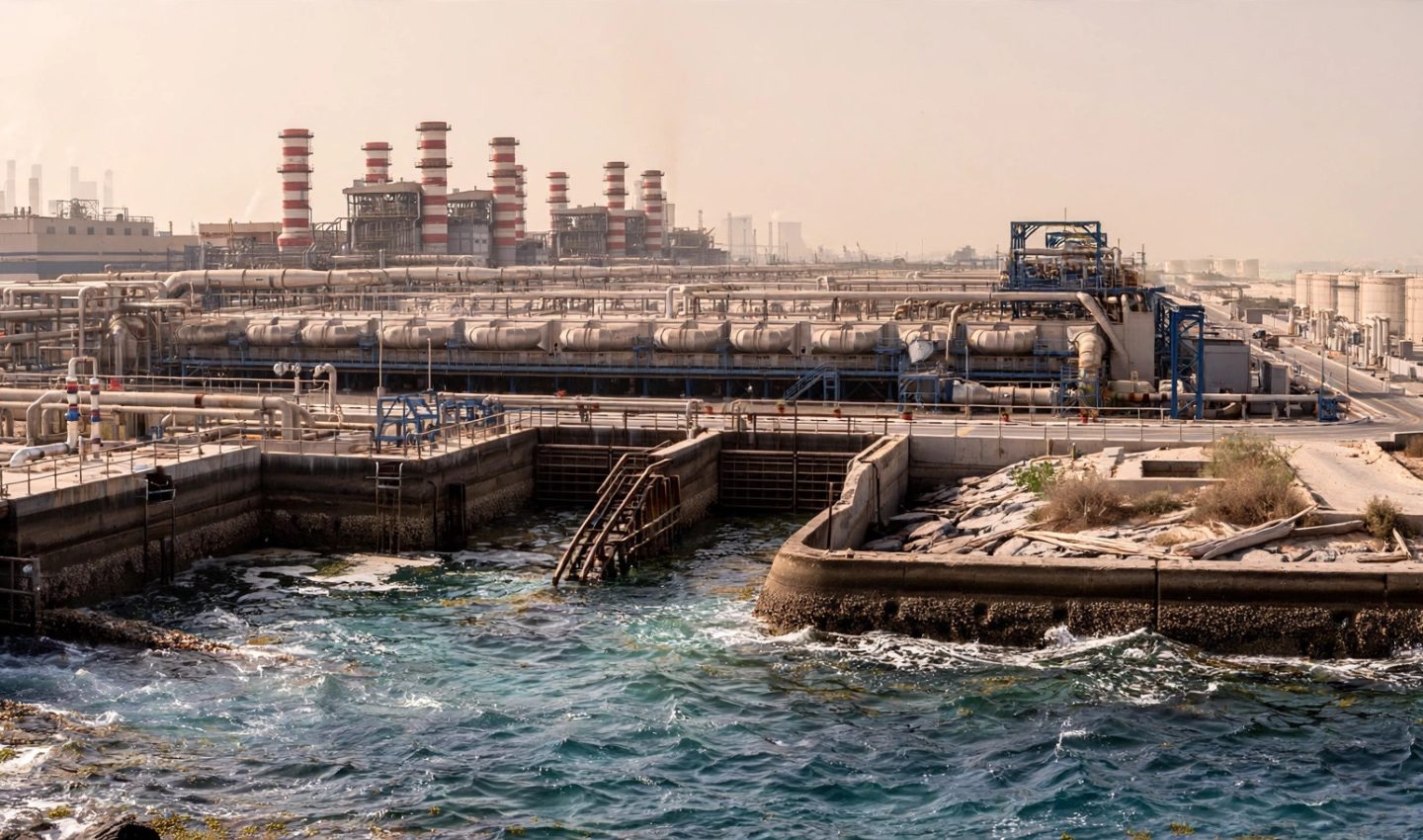
The answer was to look at the one body of water Dubai has in unlimited quantity: the sea itself. From the late twentieth century onwards, the emirate built desalination capacity on an industrial scale, centred on the great power-and-water complexes along the coast at Jebel Ali, where electricity generation and water production run side by side.
How the Sea Becomes Tap Water
DEWA — the Dubai Electricity and Water Authority — runs the system by two main methods. The older thermal plants boil seawater and condense the steam, using heat from power generation so that fuel does double duty. The newer plants use reverse osmosis, forcing seawater through membranes fine enough to strain out the salt — a method that uses far less energy and accounts for a growing share of production.
From the plants, the water is mineral-balanced for taste and safety, stored in enormous reservoirs — Dubai has even pioneered storing desalinated water underground in natural aquifers as a strategic reserve — and pumped through a network that reaches every district. The system produces hundreds of millions of gallons a day, and capacity keeps rising with the city’s population. The Gulf’s high salinity and warm temperatures make the engineering harder than in many places, which is part of why the emirate’s water engineers are regarded as world-class at the discipline.
Free Dubai Tools
Dubai, in Your Hands
📸 Follow @dxbtalk1 on Instagram for daily Dubai in photos →
The Invisible Achievement
The strangest thing about Dubai’s water story is how completely invisible it is. Visitors swim in pools, watch the fountains dance and shower in high-rise hotels without a thought for the fact that every drop began as seawater a few days earlier. Residents water gardens in a desert; farmers irrigate date groves. All of it rests on the same industrial alchemy humming away on the coast at Jebel Ali.
There are real costs — desalination is energy-hungry, and the concentrated brine returned to the Gulf is an environmental challenge the industry continues to work on — which is why the emirate pairs its plants with solar power and efficiency drives. The next time you fill a glass in Dubai, it is worth a second’s thought: you are holding the sea, made drinkable by one of the quietest engineering triumphs in the city’s history. For more everyday systems explained, see our guides on how Dubai works.
Practical Notes
- Tap water: Dubai’s desalinated supply meets international drinking-water standards; many residents still prefer bottled or filtered water for taste, largely because of building storage tanks.
- Conservation matters: because every litre is manufactured, water-saving habits genuinely count here — short showers and mindful use are part of local etiquette.
- The fountain fact: even the great choreographed fountains run on treated, recirculated water drawn from the same municipal system.
- See it: the Jebel Ali power and desalination complex is not open for casual tours, but its scale is visible from the coast road near Palm Jebel Ali.
- Rain days: Dubai’s rare heavy rains make headlines because the city is built around their absence — drainage, not supply, is the challenge they bring.
DXB FACT — DID YOU KNOW?
Snow in the middle of the desert
- Ski Dubaithe Middle East's first indoor ski resort
- Real snow22,500 m² of it
- Inside temperature−1°C to −4°C, all year
- Slopes5 — including an indoor black run
Source: The National
A new Dubai fact every dayRead more »
Reader poll
Poll of the Day
A fun reader poll, just for curiosity — not an official survey. A new question arrives every day.