

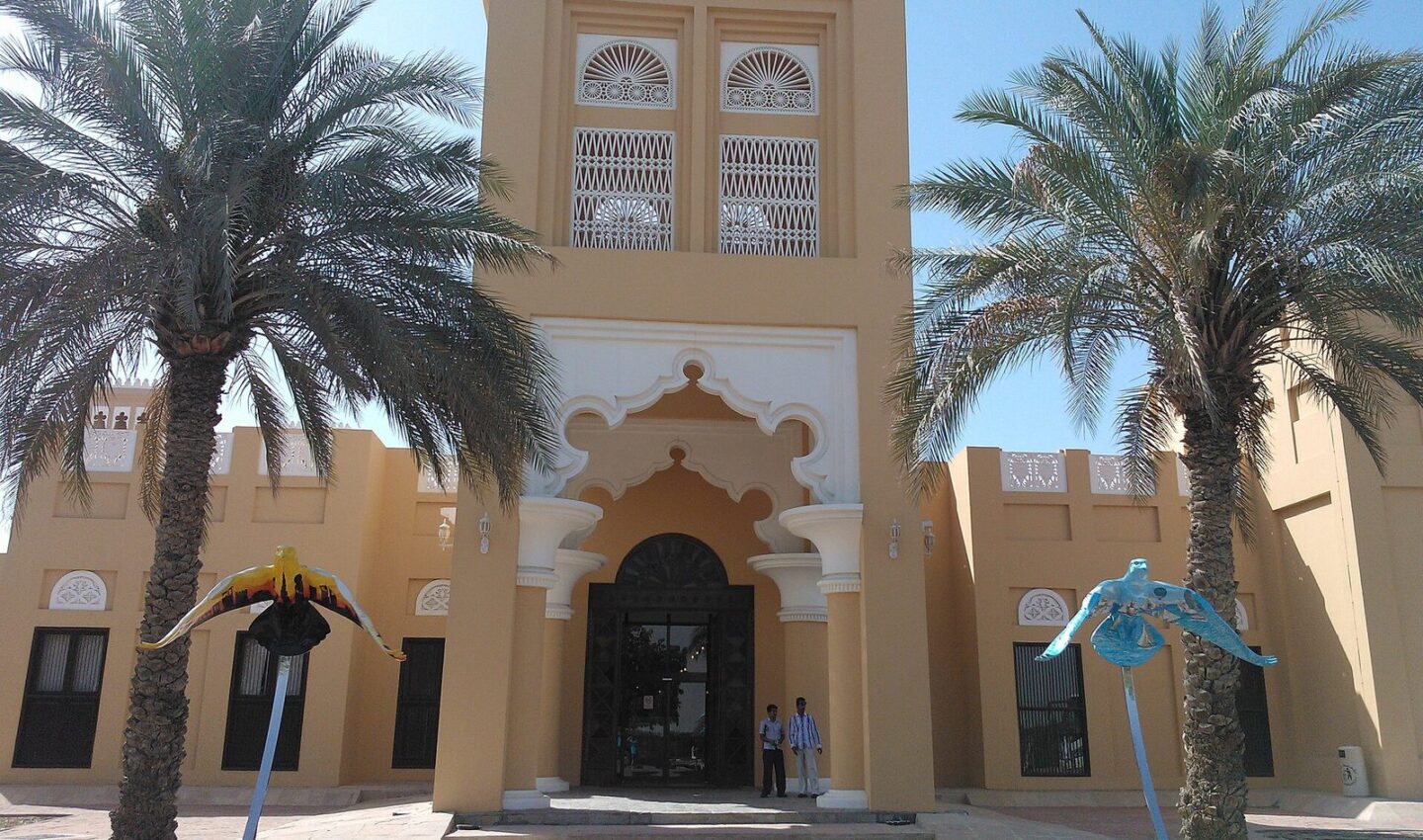
This is a practical guide to daily life in Nad Al Sheba — written for people who live here, not visitors passing through. It covers the systems you will deal with, the documents and decisions that matter, and the mistakes that cost residents time and money, in the order you will actually meet them.
Moving out and closing accounts
When you leave Nad Al Sheba, book the DEWA move-out through the app: a final reading, a final bill, and the deposit refund follows to your bank account or against the final amount. Do it a few days before handover so the landlord’s inspection and your final bill line up. For internet, give the cancellation notice in the app or store and return equipment to avoid unreturned-device charges.
Keep screenshots of every activation and closure confirmation. Utility disputes in Dubai are almost always won or lost on paperwork, and the resident with the reference numbers wins.
Setting up DEWA in Nad Al Sheba
Your DEWA account is the first utility step for any Nad Al Sheba home. Activation is done online through DEWA’s website or app using your Ejari (tenancy registration) number — for renters, the account opens in the tenant’s name once Ejari is registered, and a refundable security deposit is charged (the amount differs for apartments and villas; check the current schedule in the app rather than trusting quoted figures). Supply is usually live within a working day, often faster.
The monthly DEWA bill combines electricity, water, the housing fee (a percentage of annual rent, billed monthly for Dubai Municipality) and sewerage/drainage charges where applicable. In Nad Al Sheba villas, garden irrigation and pool pumps show up clearly in summer bills; in apartments, the AC question is whether your building is chiller-free or bills district cooling separately through a provider such as Empower or Emicool — confirm before you sign, because it changes the real monthly cost.
📸 Follow @dxbtalk1 on Instagram for daily Dubai in photos →
Internet, TV and mobile at home
Home internet in Dubai comes from two infrastructure providers — Etisalat (e&) and du — and in most Nad Al Sheba buildings one of them is the wired option, though many areas now have both. Packages bundle broadband, TV and a landline; the headline speed matters less than the router placement in Dubai’s concrete-and-marble homes, so budget for a mesh Wi-Fi kit in larger flats and villas. Installation usually takes a few days from application with Emirates ID and tenancy documents.
Mobile service is a duopoly too, with prepaid tourist-to-resident conversions handled in-store with your Emirates ID. If you work from home in Nad Al Sheba, check the building’s provider before signing the lease — switching later is somewhere between slow and impossible, and it is the most common utility regret among new residents.
Mistakes residents make (so you don’t have to)
The recurring mistakes are boringly consistent. Acting on a friend’s experience from three years ago in a system that has since moved online. Paying an intermediary for something the official app does free. Signing — a lease, a contract, a package — before reading the clause that governs leaving it. And assuming that because something is common practice it is therefore permitted: Dubai tolerates a lot informally right up to the moment it doesn’t.
The antidote is unglamorous: verify on the official channel, read the document, ask what happens if you need to stop or leave, and get commitments in writing. None of this slows a well-run process by more than a day, and it prevents the month-long unravellings that fill the community forums.
What has changed recently
Dubai’s systems are revised constantly — fees, channels, even whole authorities get restructured, and processes that lived at a counter last year live in an app this year. Treat every guide, including this one, as a map that needs a final check against the live territory: the authority’s current page, the app as it stands today. The residents who never get caught out are the ones who verify the last step, every time, even when they have done it before.
Common questions
What is the most common mistake?
Acting on out-of-date advice. Systems here change yearly; a friend’s experience from a previous contract or a previous visa is a starting point, not a rule. The second most common mistake is paying an intermediary for a step the official app handles directly.
Where can I double-check the current rules?
On the official channel for the authority involved — its website, app or service centre — because fees, hours and procedures for daily life in Nad Al Sheba are updated by official decision and summaries like this one age. Verify the step you are about to pay for, on the day you pay for it.
What is the most common mistake?
Acting on out-of-date advice. Systems here change yearly; a friend’s experience from a previous contract or a previous visa is a starting point, not a rule. The second most common mistake is paying an intermediary for a step the official app handles directly.
Where do residents get reliable local detail?
Community groups for your district, school or workplace hold the lived detail — which branch is quick, what the process felt like last month. Combine that texture with the official source for the rule itself, and you have the full picture.
The bottom line
The pattern underneath daily life in Nad Al Sheba is the pattern underneath most of Dubai life: the systems work, the paperwork is the price, and preparation is the discount. Do it once, properly, and you join the residents who find this city easy. More step-by-step resident guides live at dxbtalk.com.





