

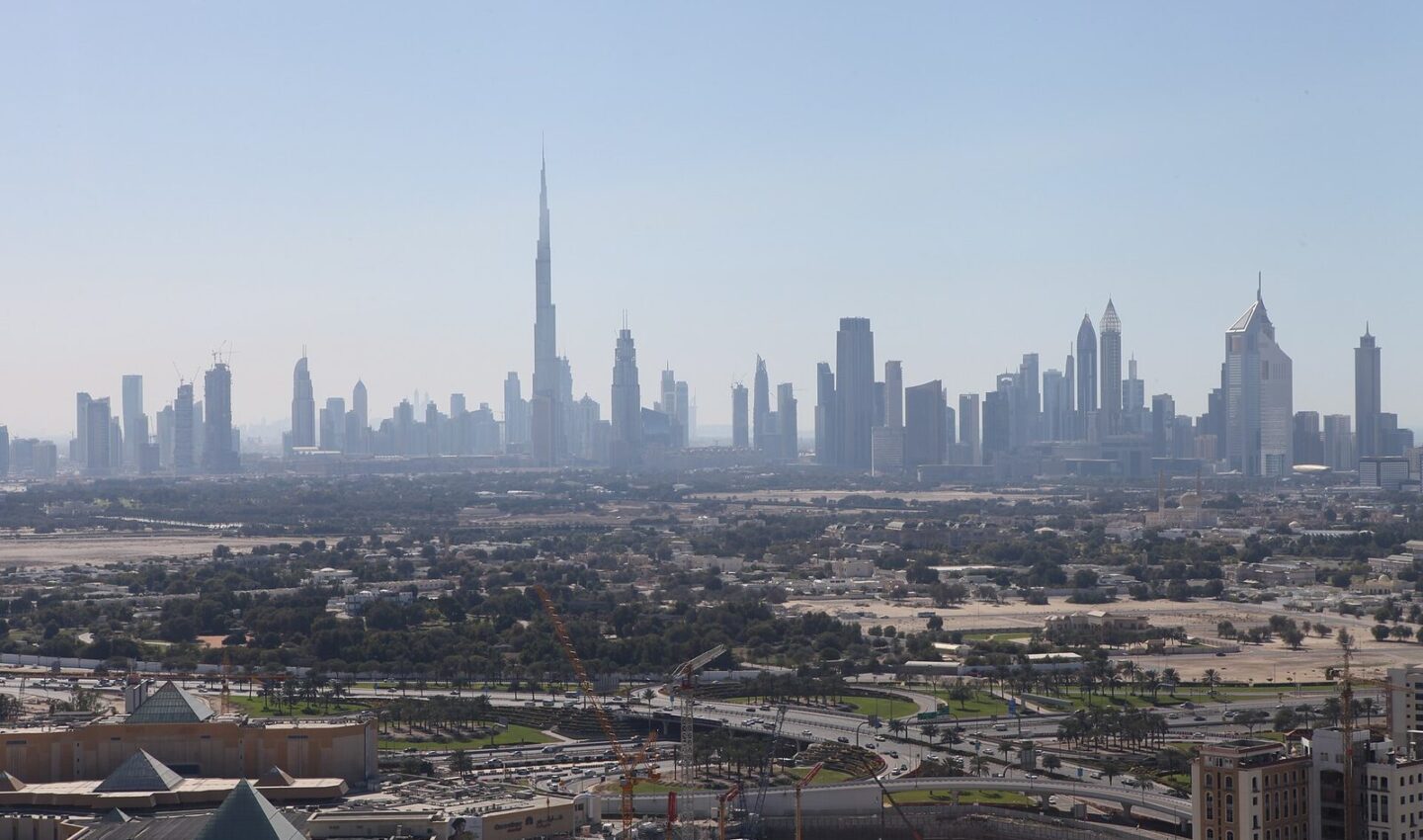
Al Sufouh, the quiet coastal strip between Al Barsha and Umm Suqeim, is one of Dubai’s more expensive residential pockets, mainly because housing here means spacious villas and low-rise buildings a short walk from the beach. A realistic monthly budget for a couple in a small apartment typically starts around AED 12,000 to AED 15,000 including rent, while families in villas often spend AED 30,000 or more once schooling is counted. Below is a breakdown of the main costs, all as guides to help you plan — check live listings and official tariffs before signing anything.
Rent: The Biggest Line in the Budget
Al Sufouh is best known for villas, many of them large, standalone homes on generous plots, alongside a smaller number of apartment buildings near the Knowledge Park and media free zones side. As a guide, one-bedroom apartments in the area typically rent for around AED 70,000 to AED 100,000 per year, and two-bedrooms around AED 110,000 to AED 160,000. Villas vary enormously with size and condition: smaller three-bedroom homes might start around AED 350,000 per year, while large renovated properties on prime streets can exceed AED 800,000. Most villa leases are paid in one to four cheques, and you should budget the standard agency fee of around 5 percent plus a refundable security deposit, typically 5 percent for unfurnished homes.
Utilities, Cooling and Home Services
DEWA bills in villas are noticeably higher than in apartments because of garden irrigation, larger cooled volumes and sometimes private pools. As a guide, a villa household might typically see AED 1,500 to AED 3,500 per month across the year, with summer peaks well above winter lows, while an apartment more often falls around AED 500 to AED 900 monthly. Remember the housing fee of 5 percent of annual rent, which DEWA adds to your bill in monthly instalments. Internet and TV packages from the main providers typically run around AED 300 to AED 400 per month, mobile plans AED 100 to AED 250 per person, and many villa families also budget for a gardener, pool maintenance and pest control, often AED 500 to AED 1,500 a month combined if not included in the rent.
📸 Follow @dxbtalk1 on Instagram for daily Dubai in photos →
Groceries, Dining and Everyday Spending
- Weekly supermarket shop for a couple: typically around AED 400 to AED 700 depending on imported brands
- Family grocery spending: often around AED 3,000 to AED 5,000 per month
- Coffee at a local cafe: around AED 18 to AED 25
- Casual meal for two nearby in Al Barsha or Umm Suqeim: around AED 150 to AED 300
- Domestic help: a live-in arrangement involves salary, visa and insurance costs that together typically start around AED 3,000 per month, plus agency fees
Al Sufouh itself has few shops, so most residents drive five to ten minutes to supermarkets in Al Barsha, The Greens or along Al Wasl Road. That car dependence is part of the cost picture: budget for fuel, Salik tolls and insurance for at least one vehicle, typically AED 1,200 to AED 2,000 per month all-in for a family car excluding loan payments.
Schooling, Healthcare and Transport Extras
Families are drawn here by proximity to well-known schools in Al Sufouh, Umm Suqeim and Al Barsha. Fees at popular international schools in this corridor typically range from around AED 40,000 to over AED 90,000 per child per year depending on year group, so schooling can outweigh rent in the family budget — always check the school’s own published fee schedule. Health insurance is usually provided by employers, but if you buy your own family cover, expect several thousand dirhams per person annually for a solid plan. The Knowledge Park tram and nearby Metro stations on Sheikh Zayed Road help older children and working adults, yet most villa households still run one or two cars.
One cost newcomers often forget is the set-up spend in the first month. Alongside the first rent cheques you will typically pay the agency fee, deposit, DEWA deposit and connection, an internet installation and, for villas, initial garden or pool set-up if the landlord is not providing it. As a guide, having around AED 20,000 to AED 40,000 of moving-in cash beyond the first rent payment makes the start far calmer for a villa household, and proportionally less for an apartment. Spread across the year it fades into the overall budget, but arriving without that buffer is the single most common money stress for new Al Sufouh tenants.
FAQ
Is Al Sufouh cheaper than Umm Suqeim or Jumeirah?
Per square foot it is broadly similar, but Al Sufouh villas tend to be larger, so total rents often come out higher. Apartments near the free zones can be better value than equivalents closer to the beach.
Are utilities included in Al Sufouh rents?
Usually not for villas — DEWA is normally in the tenant’s name. Some serviced or free-zone-facing apartments include bills, so read the listing and contract carefully.
What is a sensible total budget for a family of four?
As a rough guide, many families plan around AED 35,000 to AED 55,000 per month including villa rent, two school places at mid-range fees, cars and living costs, but your school choice moves this figure the most.
Comparing neighbourhood budgets before you move saves stress later — explore more area breakdowns at DXB Talk and in our Dubai Areas guides.





