This is a practical guide to daily life in Al Quoz — written for people who live here, not visitors passing through. It covers the systems you will deal with, the documents and decisions that matter, and the mistakes that cost residents time and money, in the order you will actually meet them.
The buying landscape in Al Quoz
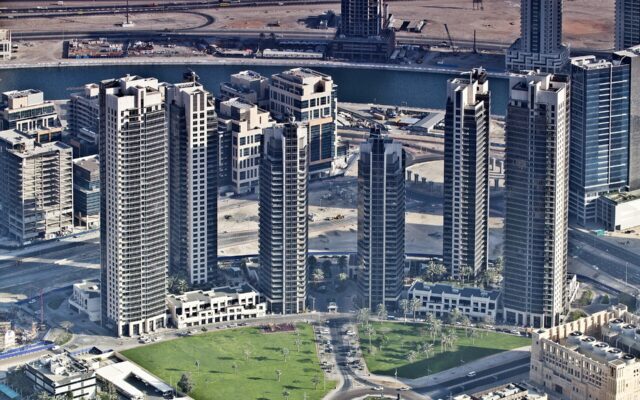
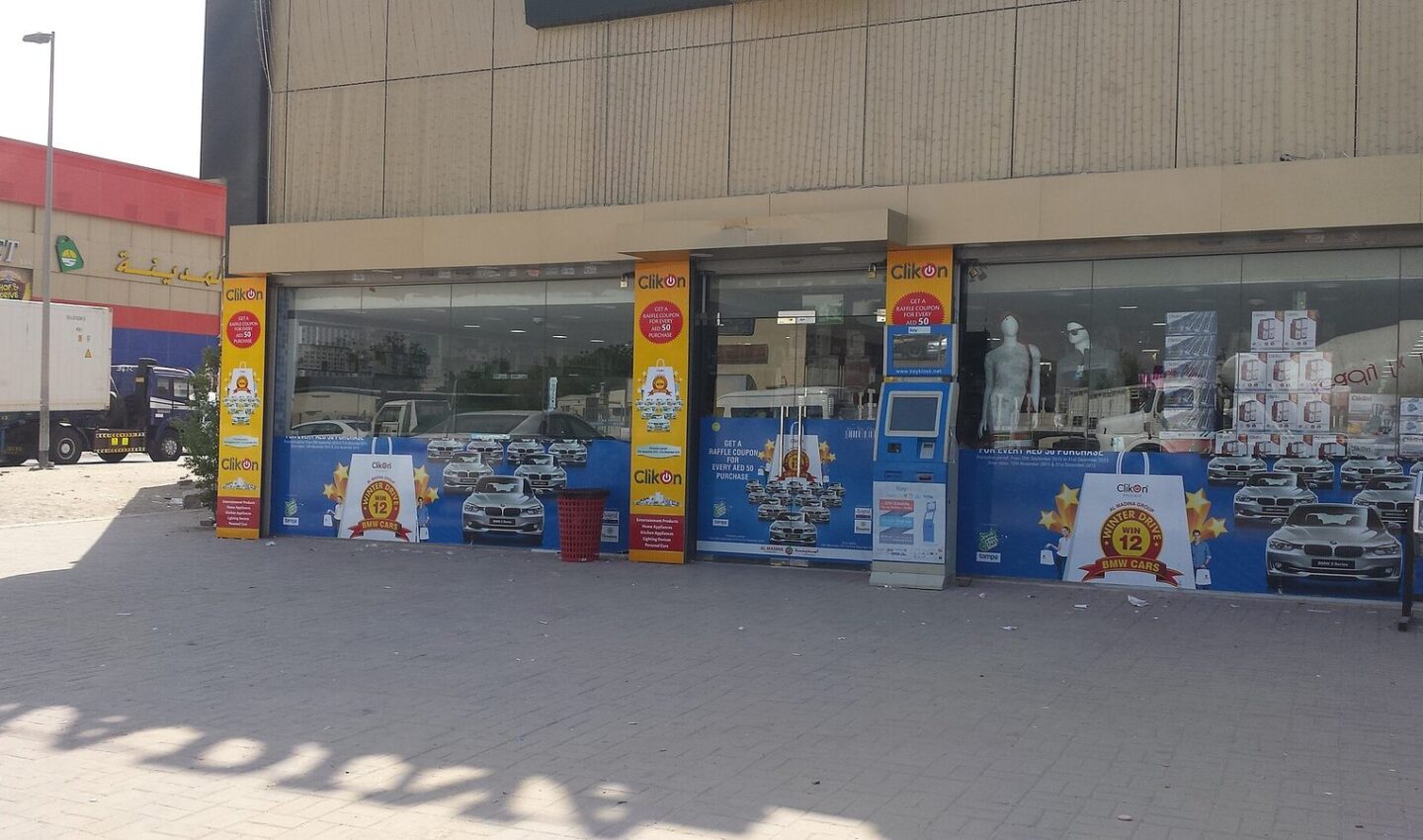
Al Quoz is Dubai’s industrial-turned-creative district of warehouses, Alserkal Avenue galleries, workshops and garages. Buying here means choosing between off-plan launches (staged payments during construction, from developers large and small) and the resale market of ready homes. Freehold ownership for foreigners applies in designated areas, which include most of the districts newcomers buy in; the Land Department’s records and the Dubai REST app let you verify a project’s status and a property’s history before emotions get involved.
In Al Quoz, study the last actual transaction prices for the building or street, not asking prices — the data is available through Land Department-linked services and good agents will walk you through it. A home’s real comparables are same-building, same-layout sales in the last six months.
Due diligence that protects you
For off-plan in or near Al Quoz: check the developer’s escrow arrangements and project registration, the payment plan’s construction linkage, and the completion record of their previous buildings. For resale: title deed verification, service-charge clearance, tenancy status (a sitting tenant changes your timelines completely), and snagging on handover — budget for a professional snagging inspection on new homes; defect lists on Dubai handovers are normal, not exceptional.
Use a RERA-registered agent and conveyancer, keep every payment through official channels with receipts, and never pay a personal account. Buying in Al Quoz is safe when the paperwork is boring — insist on boring.
📸 Follow @dxbtalk1 on Instagram for daily Dubai in photos →
Getting help: official channels and community knowledge
Two kinds of help exist and they are good at different things. Official channels — the authority’s app, call centre and service centres, plus licensed service centres such as Amer and the typing centres — own the rules and the transactions. Community knowledge — the residents’ groups for your district, school or nationality — owns the lived detail: which branch is efficient, which counter to ask for, what the process felt like last month.
Use them in that order for anything with legal or financial weight: official source for the rule, community for the texture. Be wary of any individual who offers to bypass an official step for a fee — in a city this digitised, the bypass is usually a detour into a scam the authorities warn about by name.
Fees, finance and the true cost
Budget beyond the price: the Land Department transfer fee (a percentage of the price, conventionally split or paid by the buyer — confirm the current convention in your deal), agency commission, trustee office charges, the developer’s NOC fee on resale, and your bank’s mortgage arrangement and valuation fees if you are financing. Service charges continue annually after purchase and vary hugely by building — ask for the current per-square-foot rate and the building’s history of increases.
Mortgages for residents are widely available, with the Central Bank’s loan-to-value caps setting maximum borrowing by price band and buyer status. Pre-approval before house-hunting is the Dubai norm and strengthens any offer. This guide deliberately avoids quoting current rates or fee figures — they move; verify on the Land Department and bank channels when you are ready to act.
One more thing residents learn
Experience adds a footnote to almost every Dubai system: the second time you do this, it takes half the time and a quarter of the stress. The learning curve is the real cost of the first attempt, which is why residents swap notes so freely — in the community groups, at the school gate, in the queue itself. Ask the person who did it last month, and offer your own notes when you are the one who has done it. The city’s informal knowledge network is one of its genuine infrastructures.
Common questions
What is the most common mistake?
Acting on out-of-date advice. Systems here change yearly; a friend’s experience from a previous contract or a previous visa is a starting point, not a rule. The second most common mistake is paying an intermediary for a step the official app handles directly.
Where can I double-check the current rules?
On the official channel for the authority involved — its website, app or service centre — because fees, hours and procedures for daily life in Al Quoz are updated by official decision and summaries like this one age. Verify the step you are about to pay for, on the day you pay for it.
What is the most common mistake?
Acting on out-of-date advice. Systems here change yearly; a friend’s experience from a previous contract or a previous visa is a starting point, not a rule. The second most common mistake is paying an intermediary for a step the official app handles directly.
Where do residents get reliable local detail?
Community groups for your district, school or workplace hold the lived detail — which branch is quick, what the process felt like last month. Combine that texture with the official source for the rule itself, and you have the full picture.
The bottom line
Handled in the right order, daily life in Al Quoz is a solved problem — thousands of residents do it every month. Prepare the documents, use the official channels, keep your records, and it becomes one more piece of Dubai admin that quietly stays done. This guide is part of DXB Talk’s resident library at dxbtalk.com, where the guides interlock the way the systems do.