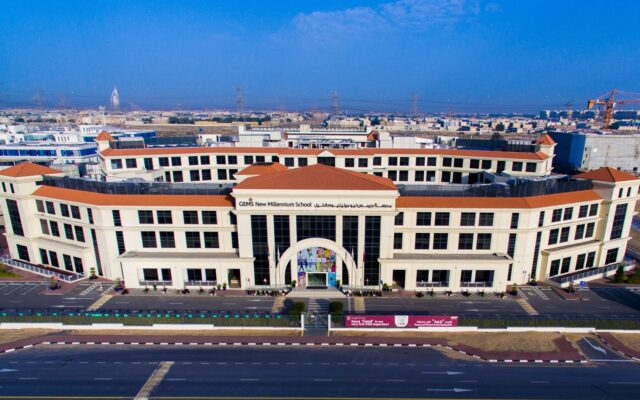
The British University in Dubai, usually shortened to BUiD, breaks the pattern of most universities in the emirate. It does not recruit school leavers into bachelor’s degrees at all. Based in Dubai International Academic City, it is a postgraduate institution devoted to master’s and doctoral study and to research connected with the region’s development. For working professionals and graduates planning serious advanced study in Dubai, it deserves a place on the shortlist. This guide explains its focus, its UK alliances and how to judge fit.
A postgraduate-only university in Academic City
BUiD was founded in the early 2000s with the explicit aim of building postgraduate education and research capacity in the region, and it remains focused on that mission. Its campus in DIAC serves master’s students, doctoral researchers and professionals on executive education, rather than undergraduate cohorts. The atmosphere follows from that: a smaller, academically concentrated institution where most students combine study with established careers or arrive with clear research ambitions.
Operating within the UAE’s licensing framework for higher education, the university’s programmes are structured with reference to British postgraduate practice. Prospective students should confirm the current accreditation status of their specific programme and, as anywhere, check the latest KHDA inspection report context where relevant when comparing quality across institutions. Details change over time, and doctoral applicants in particular should work directly from current programme information.
Faculties and areas of study
The university’s work is organised around a small number of faculties reflecting its founding priorities. Education is a signature strength, with master’s and doctoral programmes aimed at teachers, school leaders and education professionals across the Emirates, making BUiD a natural destination for educators seeking advanced qualifications while working in UAE schools. Business and law form another major area, including MBA and management-related study and programmes connected with law and finance. Engineering and information technology complete the picture, with programmes in areas such as systems engineering, informatics and sustainability-related fields within the built environment.
Within these faculties, the catalogue is deliberately narrower than a general university’s, and that is the point: depth in chosen areas rather than breadth across everything. Programmes and specialisations are reviewed and updated, and some run subject to demand, so confirm current availability, delivery schedule and entry requirements for your exact programme with the university before planning around it.
📸 Follow @dxbtalk1 on Instagram for daily Dubai in photos →
The UK university alliances
BUiD was created in partnership with leading British universities, and alliances with UK institutions have shaped its academic model from the start, influencing curriculum design, research culture and quality frameworks and, historically, aspects of how programmes were developed and validated. The nature of these relationships has evolved as the university matured and its own standing developed, so the current form of each alliance is a question for the university rather than something to assume from its founding history.
For applicants, the practical questions are concrete. Who awards the degree you will receive? How is the programme quality-assured, and what links, if any, will you personally experience with UK partners, such as visiting academics or joint research activity? Ask directly; at postgraduate level, the awarding body materially affects the qualification’s value for progression.
Research and doctoral study
Research is not an add-on at BUiD; it is central to the institution’s purpose. Doctoral programmes, including PhD study across its faculties and professional doctorates in education, recruit students proposing research relevant to the region, from school improvement and education policy in the Emirates to sustainability, engineering systems and business questions facing Gulf organisations. Supervision capacity in your topic is the decisive factor in doctoral admission anywhere, and BUiD is no exception.
If you are considering research study, begin by identifying potential supervisors from the faculty’s published research interests and be ready to discuss a focused proposal. Ask about the doctorate’s structure, milestones, research training and how supervision works alongside a full-time job, since many doctoral students here do exactly that.
Studying as a working professional
Most BUiD students are professionals, and programme delivery typically reflects that, with teaching scheduled to accommodate working patterns on many master’s courses, through evening, weekend or blended arrangements that vary by programme. Before applying, map the actual timetable against your job: attendance expectations, assessment deadlines across the year and the total duration at the study pace you can sustain. A master’s completed in good order alongside work is a common pattern here, but it requires an employer and a family who understand the commitment.
Fees for postgraduate programmes are set per programme, with doctoral fees structured over the research period, and they change periodically, so obtain the current schedule in writing, including what instalments are possible and what happens financially if your study extends. Scholarships or discounts may apply in particular categories; ask rather than assume.
- Who awards the degree, and how is it quality-assured?
- Is your programme recruiting now, and in what delivery mode?
- For doctoral study, who would supervise your topic?
- What does the timetable really look like for working students?
- What is the total cost at your realistic pace of study?
BUiD is not for everyone, by design. If you are a graduate or professional seeking advanced, research-informed study in education, business, law or engineering-related fields, delivered in Academic City among peers doing the same, it offers something few Dubai institutions attempt. Start with the supervisor and programme questions, verify the details directly, and build your decision on substance.