

Your student residence was sponsored by your university for your studies; when the studies end, so does its logic. Indian graduates who want to stay — and the UAE wants many of them to — move onto a new basis: a job seeker visa, an employer’s work residence, a Golden Visa for the outstanding, or the next degree.
The transition is routine when it is started before the final semester ends.
Sequencing the switch
Start from the calendar: your residence runs to its printed expiry, but the university will cancel its sponsorship after graduation formalities, and the grace that follows is the window in which your next status must be filed. The job seeker visa is the designed bridge for graduates hunting their first role (its eligibility guide in this series covers the degree and ranking conditions — note UAE-university graduates sit naturally inside it), and it can be arranged as a status change without leaving the country in the standard process.
Graduates with an offer skip the bridge: the employer’s entry permit and a status change convert you directly to a work residence, as in the tourist-to-work sequence elsewhere in this series. Outstanding graduates should test the Golden Visa student categories before assuming they are out of reach — top-of-class UAE graduates are a named constituency of that system. Whatever the route, keep the documents warm: your attested degree is now joined by the UAE degree certificate and transcripts, and the graduate who treats the university’s clearance and cancellation paperwork as a same-week job keeps every option open.
- Do not let the residence lapse while ‘deciding’ — an overstay at graduation is the worst possible first line of a career file.
- Your Emirates ID continues across the switch; the residence basis changes, the identity persists.
- Alumni networks and university career offices are visa-relevant assets: employers who hire from your institution know the process cold.
How student residence is arranged
A student in the UAE is sponsored either by the university or institute (the standard route for students arriving from India) or by a parent who is a UAE resident. The institution’s student affairs office usually runs the visa file alongside admission: entry permit first, then medical, Emirates ID and residence after arrival.
Student residence is normally issued a year at a time and renewed against continued enrolment. If you change institution, drop out or graduate, the sponsorship basis changes with it — the status steps in the related DXB Talk guide on switching after graduation cover what to do next.
📸 Follow @dxbtalk1 on Instagram for daily Dubai in photos →
Documents universities and sponsors request
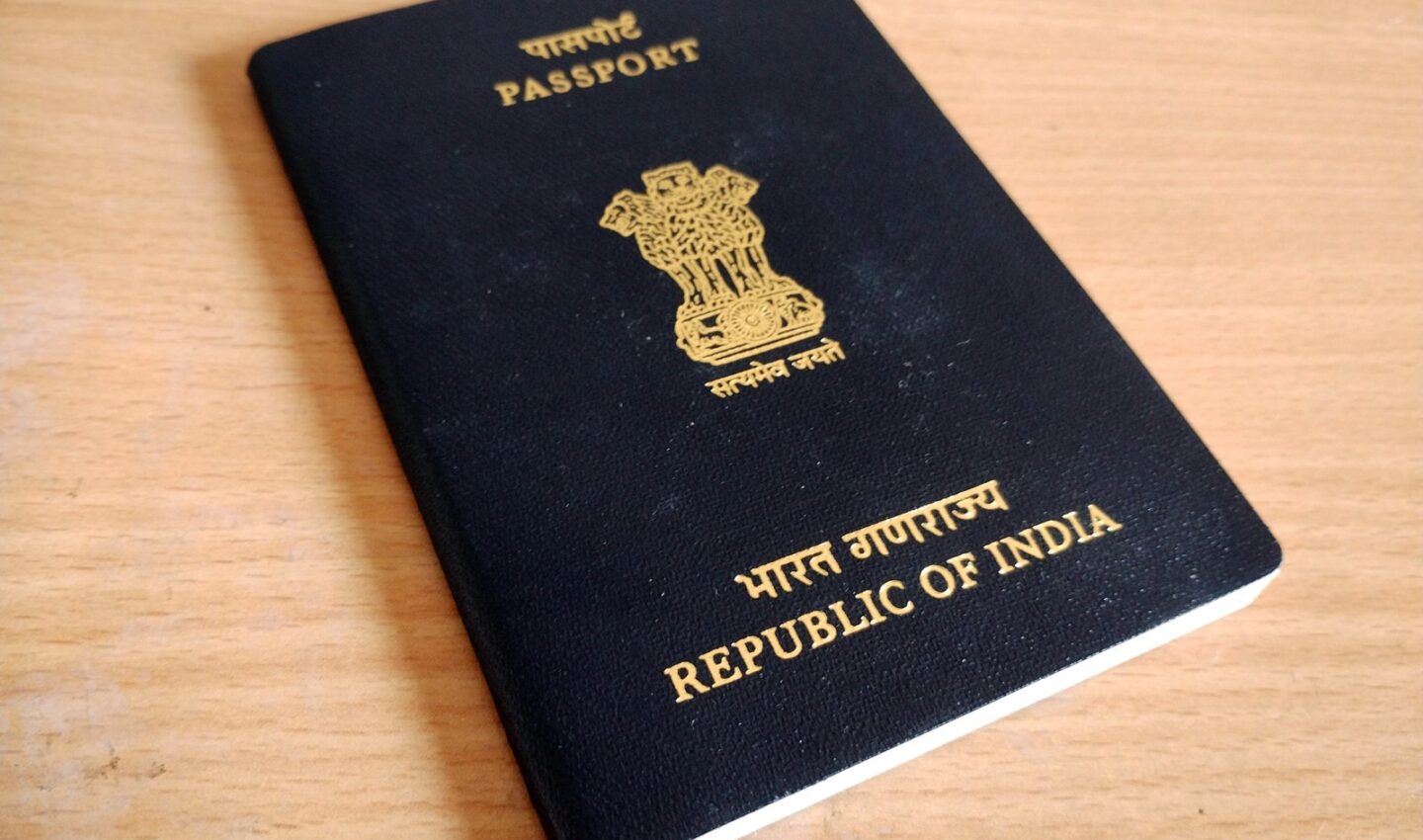
- Indian passport valid for at least six months and passport photographs
- Admission or enrolment letter from the UAE institution
- Attested Class 12 or degree certificates matching the course entry requirements
- Proof of fee payment or financial support for the first year
- For parent-sponsored students: the parent’s residence, salary and relationship documents
- Medical insurance, usually arranged through the institution’s group policy
The student’s wider paper world
A student residence sits inside a web of connected records: the university’s enrolment file, your tenancy or housing contract (many landlords ask for the residence and ID), a local bank account for allowances from India, and the NRE/NRO and FEMA questions your family’s remittances quietly raise on the Indian side. None of these is difficult; all of them run smoother when the core documents — passport, residence, ID — are consistent and current.
Keep the university’s visa office informed of changes (passport renewal, address, sponsorship switches) before they discover them at renewal; in student administration, surprises are the only real enemy.
Mistakes that catch Indian applicants out
The same avoidable errors recur across thousands of files. These are the ones that attach to this route most often:
- Assuming the student visa ‘runs to its expiry date’ regardless of graduation and making plans past the cancellation.
- Starting the job hunt only after the degree ceremony, compressing the search into the grace window.
- Exiting the UAE for a holiday mid-switch and discovering the status change required your presence.
Questions Indian applicants ask
Can I stay for a master’s on the same sponsorship?
Further study means a renewed student file through the institution — a fresh enrolment renews the basis; tell the visa office early and the sequence is administrative.
What if I have no job and do not qualify for the job seeker visa?
Then the honest options are a tourist-basis stay to keep hunting within its rules, or returning to India and being hired from there — employers sponsor entry permits for overseas hires routinely.
Before you apply
Visa rules, fees and eligibility for Indian citizens change with little notice, and the version that applies to you is the one in force on the day you apply. Before paying anyone or booking non-refundable travel, verify the current requirements on the official portals — the Federal Authority for Identity, Citizenship, Customs and Port Security (ICP) at icp.gov.ae and, for Dubai-issued visas, the GDRFA — or through the airline or Amer centre handling your application.




