

Dubai’s public transport surprises most first-time visitors: it is clean, modern, air-conditioned to arctic levels, and genuinely easy to use once you understand the basics. Between the metro, the tram, the buses and the boats, you can reach most of what a tourist comes to see without ever hiring a car. A little preparation on day one makes the whole system feel like it was designed for you — because, largely, it was.
The Network at a Glance
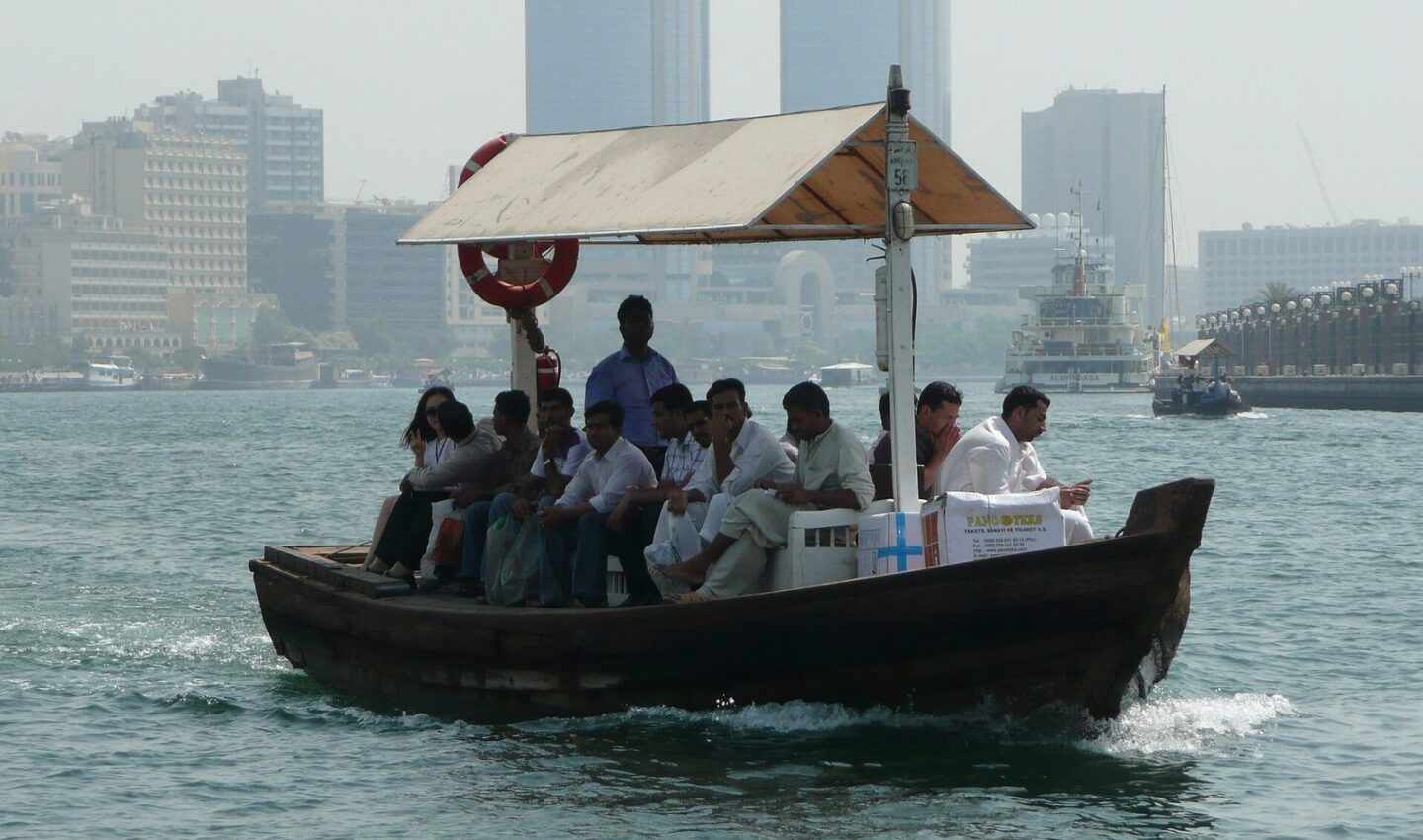
The metro is the backbone: driverless trains running the length of the city’s main corridor, with stations near the airport, the big malls, the business districts and the downtown landmarks. The tram serves the Marina and JBR, looping through the waterfront neighbourhoods and connecting into the metro. Buses fill in the gaps, reaching districts and attractions beyond the rail lines, and water transport completes the picture — traditional wooden abras ferrying passengers across the Creek for a token fare, and larger ferries travelling the coast. Each mode is useful alone; together they cover the visitor’s Dubai almost completely.
One Card for Everything
Buy a rechargeable Nol card on arrival and top it up as needed; it works across metro, tram and bus, and the system handles the rest. Fares vary by distance and zone, and the metro offers classes, so check which your journey needs before you travel — and tap in and tap out where required, because the fare is calculated between the two. Keep the card topped up so you are never caught short at a gate with a train approaching, and keep it handy for inspection. An official transport app or map on your phone turns route-planning into a thirty-second task.
📸 Follow @dxbtalk1 on Instagram for daily Dubai in photos →
The Rules That Keep It Pleasant
Dubai’s transport etiquette is part of its charm. Eating and drinking on board are not allowed, which is why everything stays spotless. There are designated cabins — including women-and-children sections on the metro — and priority seating to respect, and modest dress is the norm across the network. Staff are generally helpful if you are unsure, signage is in English and Arabic, and stations double as small lessons in how orderly this city likes to be.
A First Day Done Right
Here is the tourist’s perfect introduction: ride the metro in the morning, when the elevated sections give you the city’s geography for free, then descend to the Creek in the old town and cross by abra — a minute on the water that costs almost nothing and explains how Dubai began. Travel outside rush hours when you can, for a calmer carriage and better views, and allow extra time for your first few trips while you learn the system. If you are staying near a metro station, you will find much of Dubai within easy reach — and on the busiest corridors, the train is simply faster than the road. A topped-up card and a rough plan are all it takes.
Beyond the Tourist Map
Once the basics feel easy, the network starts giving more. The bus web reaches the older districts the rails pass by, where the souks and neighbourhood restaurants reward the detour. The tram’s slow loop through the Marina is practically a sightseeing tour at transport prices. Ferries along the coast turn a transfer into an excursion. And because everything runs on the same card, mixing modes costs no extra thought — hop off the metro, cross on an abra, finish by bus, and the day has cost less than a single taxi ride across town.
Saving Time as Well as Money
The system’s one real enemy is the peak: morning and evening rush hours fill the central stations and slow the buses. Tourists hold the advantage of flexible hours — travel mid-morning and mid-afternoon and the network feels half-empty. Choose accommodation near a station when you can, learn your nearest station’s name in both directions, and let the train absorb the journeys that would have been traffic. Public transport in Dubai is not the budget compromise; used well, it is the upgrade.





