

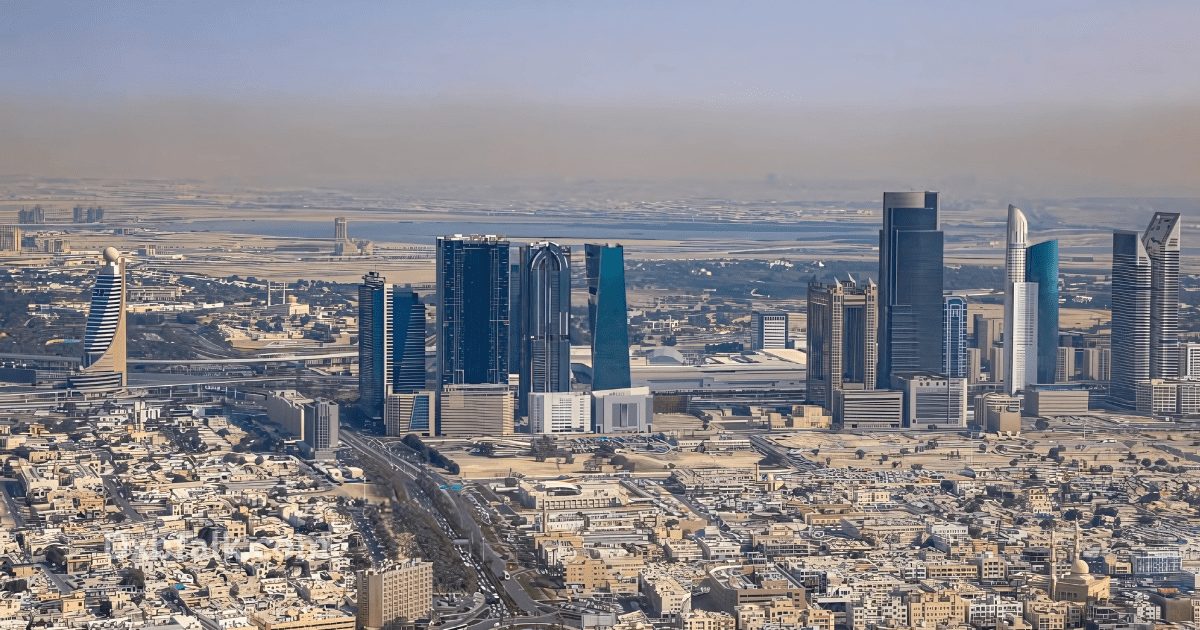
Satwa is often an underrated neighbourhood, yet it holds the charm of old Dubai mixed with a vibrant urban buzz. A short hop from the Sheikh Zayed Road towers and the Jumeirah shore, it runs on a different economy: fabric by the metre, tailors by the dozen, cafeterias feeding half the city, gold shops, bakeries and barbers, all at street level and all at prices the mall districts cannot touch. This is the complete guide — where it is, how its shopping works, what to eat, and how to visit it well.
Reading the District
Satwa sits between the World Trade Centre end of Sheikh Zayed Road and the Jumeirah coast, a low-rise grid of villas, small apartment blocks and shophouse streets anchored by the Satwa roundabout and the bus station, with the Iranian Hospital standing as a landmark on the Al Wasl Road side. Nothing here is tall and almost nothing is new, which is precisely its character: this is a working neighbourhood that grew up serving the city around it. Its population is famously mixed — Filipino, Pakistani, Indian, Bangladeshi, Arab and African communities share the streets — and the shops map directly onto the people: every community’s groceries, money exchanges, phone shops and comfort food are present within a few streets. Orient yourself by the roundabout, walk the main commercial streets first, and let the side lanes come later; Satwa rewards wandering but punishes no one for having a plan.
Shopping: Fabric, Tailors and Gold
The most popular draw is the fabric trade. Shop after shop unrolls silk, cotton, lace and suiting in every colour and pattern, priced by the metre and sold to everyone from brides to uniform buyers. The fabric is only half the system: Satwa’s tailors are the other half, expert at transforming a length of cloth into dresses, suits and abayas, often at a fraction of the cost charged elsewhere in Dubai. The rhythm is buy, carry two doors down, commission, return for the fitting. Around the fabric streets sit the supporting trades — trimmings and button shops, shoe and bag repair, luggage, electronics stalls — and the jewellery shops, offering gold and silver from delicate pieces to bold traditional designs, sold with the weight-and-workmanship transparency of the UAE gold trade. Bargaining is gentle and expected in the market streets; cash and cards both circulate, and the whole quarter works best as a single expedition rather than a single-shop errand.
📸 Follow @dxbtalk1 on Instagram for daily Dubai in photos →
Dining: A World of Tastes
Satwa’s dining scene is as diverse as its population, and it operates at every hour. Filipino restaurants serve sizzling plates and fresh lumpia to a homesick-and-happy crowd; Pakistani and Indian eateries turn out biryanis, curries and naan from the tandoor in relentless rotation; cafeterias — the district’s true institutions — feed everyone everything, from paratha breakfasts to midnight karak. Street vendors and counters serve shawarma and falafel to order, small bakeries push out fresh Arabic bread through the day, and juice bars blend the city’s unofficial fuel. The correct strategy is grazing: nobody should attempt Satwa in one meal. Eat the snack now, the cafeteria lunch an hour later, and carry the bakery bag home. Prices are the other pleasure — this is some of the best-value eating in Dubai, and the queues of residents at the counters tell you which kitchens are currently winning.
Culture and Practicalities
Satwa is more than shopping and dining — it is a community, and its culture is visible at pavement level. Locals gather for evening tea outside the cafeterias, sharing stories; the walls tell their own stories through murals and graffiti; photography enthusiasts find a subject on every corner, from street vendors to the loaded fabric bales, each frame a piece of Dubai’s working history. Visit in the late afternoon into evening, when the heat drops and the district reaches full volume, dress comfortably and modestly as you would in any residential quarter, and keep small cash handy for the stalls. Satwa is perfect for anyone who wants to experience the real Dubai: with its community vibe, affordable shopping and rich culinary offerings, it promises the most unvarnished — and for many visitors, the most memorable — day out in the city.






Join the conversation