

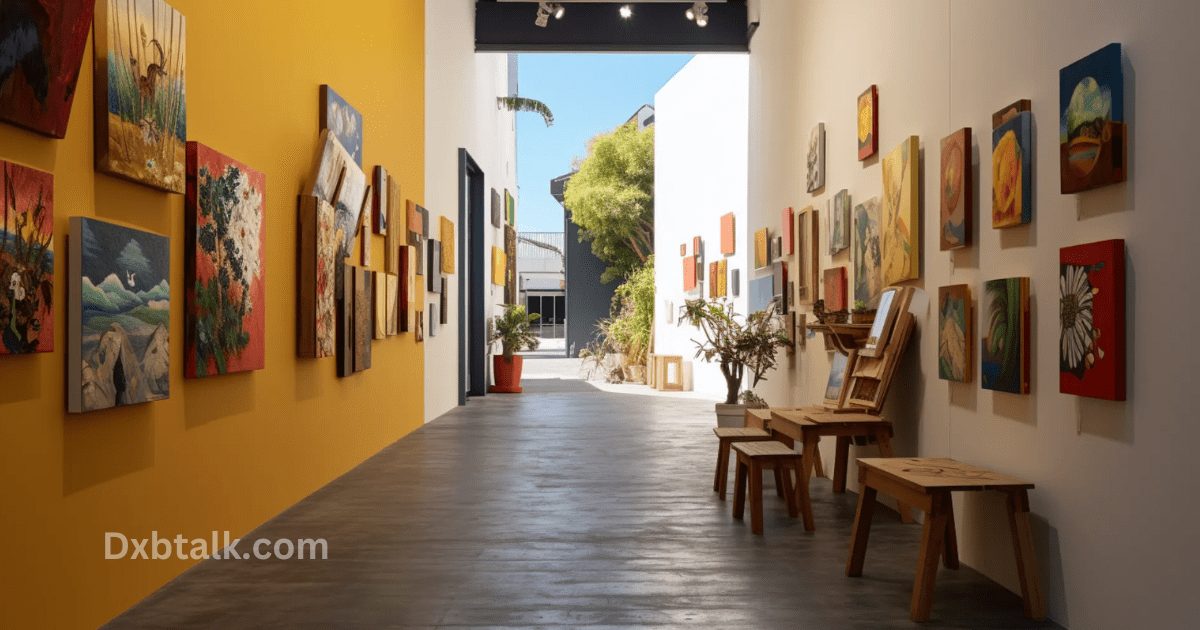
Al Quoz is famous for its art scene, and the fame is earned on one street: Alserkal Avenue, where a former industrial compound of warehouses now houses many of Dubai’s most important galleries. The district’s artistic hub mixes contemporary art, local talent and international programmes in spaces built for looking slowly. This guide walks the must-visit galleries — who they are, what they show, and how to do the avenue well.
The Anchors: Leila Heller, The Third Line, Custot
Leila Heller Gallery is known for its fusion of Middle Eastern and Western contemporary art — provocative sculpture, painting and multimedia installation from artists working both sides of that exchange, presented at a scale the warehouse architecture allows. It is a must-visit for anyone interested in cross-cultural influence, which is to say, in Dubai’s own condition rendered as art. The Third Line is among the city’s best-established contemporary galleries, a platform for art from the Middle East across painting, installation and photography, with a reputation for developing artists’ careers and mounting exhibitions that argue with each other productively. Custot Gallery blends international and UAE-based artists with a sculptor’s bias — large-scale works, serious modern and contemporary pieces, the kind of gallery where a single object can hold a room. Together the three set the avenue’s tone: ambitious, international, and rooted in the region’s own artists rather than merely importing other people’s culture.
The Edge and the Region: Carbon 12 and Green Art Gallery
Carbon 12 supplies the avant-garde: a space that supports emerging and established artists through experimental, thought-provoking exhibitions that challenge conventional perspectives — the gallery most likely to show you something you do not yet know how to like, which is a service. Green Art Gallery works the regional seam, spotlighting emerging artists from the Middle East and presenting their work alongside international positions; its exhibitions favour cultural narratives and contemporary questions, and collectors watching for the region’s next significant names keep its openings in their diaries. Between the anchors and these two, the avenue’s dozens of other spaces — project rooms, design galleries, photography specialists, the cinema and the performance venues woven through the compound — fill in every position between the commercial and the experimental.
📸 Follow @dxbtalk1 on Instagram for daily Dubai in photos →
The Wider Compound
The galleries are the avenue’s headline, but the compound around them completes the day: an arthouse cinema screening what the multiplexes will not, foundation and project spaces running residencies and research shows, design and furniture stores that treat objects with a gallery’s seriousness, and a food scene of its own. Seasonal peaks give the calendar its rhythm — the art weeks when every space opens at once and the avenue fills with collectors, the design days, the summer group shows when galleries introduce their newest artists. Check what is on before you go, because the avenue is a dozen programmes wearing one address, and the difference between a good visit and a great one is usually one exhibition you would otherwise have missed.
How to Do the Avenue
Al Quoz’s galleries reward method. Go on a weekday or a Saturday morning, when the rooms are quiet and the staff have time to talk — gallery people here are generous with context, and an exhibition explained is an exhibition doubled. Walk the whole compound once before entering anywhere, noting which doors are open and which shows are on; exhibitions rotate constantly, and the avenue also runs talks, screenings and opening nights that turn a visit into an event. Dress for warehouses — cool concrete, long sightlines, excellent coffee between stops — and give the work time: this is contemporary art presented the way it asks to be seen, in big white rooms at walking pace. From regional talent to international names, Al Quoz captures the dynamic, multicultural essence of Dubai’s art scene more completely than anywhere else in the city — creativity, in this repurposed industrial quarter, genuinely knows no bounds.



Join the conversation