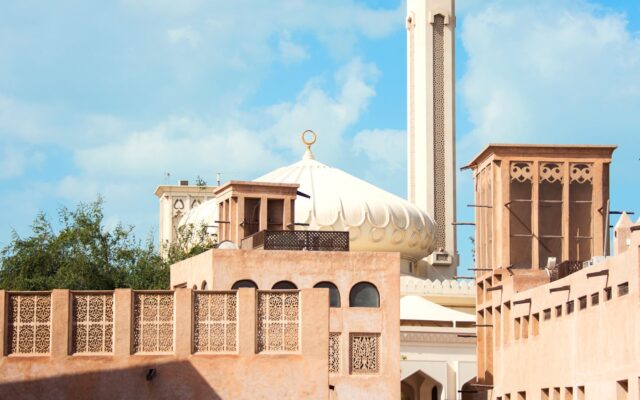
Ramadan turns Dubai’s day upside down, and nowhere is the beautiful inversion clearer than at its two ends: Fajr, the dawn prayer, and Isha, the night prayer that launches the evening. In the holy month, the hours most residents usually sleep through become the hours the city treasures most. Streets fall silent before a dawn that feels sacred, and then, after dark, Dubai takes a second wind so complete that midnight becomes a kind of second morning. This is the rhythm Ramadan teaches — and its mosques keep the beat.
Before Dawn: Suhoor-Quiet Streets
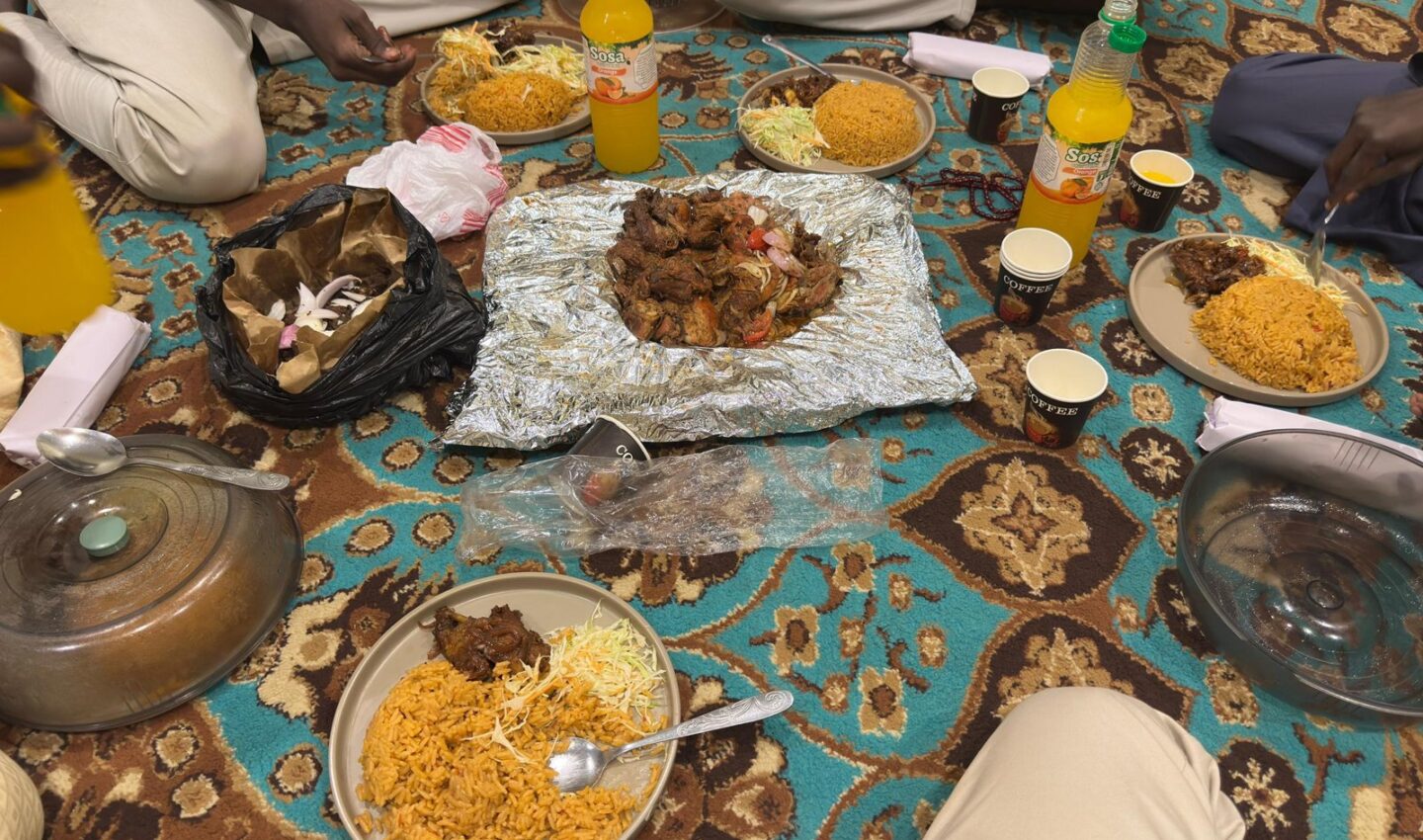
The last part of a Ramadan night belongs to suhoor, the pre-dawn meal, and to Fajr. Homes light up in the small hours; cafés near mosques serve their quietest, kindest trade; and then the call to prayer sounds over streets emptied of everything except purpose. Walking to Fajr in Ramadan has a quality worshippers describe all year afterwards — the cool air, the dark blue sky, the soft footfall of neighbours doing exactly what you are doing, the mosque glowing ahead like a lantern left on for you.
Inside, the congregation is a distinctive one: the devoted regulars of dawn, joined for this month by hundreds of occasional early risers who have discovered, to their own surprise, that they love it. After the prayer, some stay to read in the quiet; most drift home to the few hours of sleep before work, through streets where the first light is just beginning. Prayer times shift daily, so the official calendar or a trusted app sets every alarm — Fajr waits for no one, and in Ramadan nobody wants to miss it.
The Long Day Between
Between Fajr and Isha stretches the fasting day, and Dubai shapes itself around it with consideration: workplaces adjust their tempo, the afternoon slows, and the city’s energy visibly gathers itself for the evening. The Maghrib prayer and iftar break the fast at sunset — but it is Isha, a little later, that truly opens the Ramadan night. By then the fast is broken, the family fed, the day redeemed. What follows is the city’s reward.
📸 Follow @dxbtalk1 on Instagram for daily Dubai in photos →
After Dark: The Second Wind
If you arrive in Dubai mid-Ramadan and step out after Isha, you might briefly believe you have the time wrong. The mosques are full for Isha and then fuller still for Taraweeh. The streets are lit and peopled; shops, cafés and souks are in full voice; children are wide awake and in their element. The city has simply moved its centre of gravity into the night — and Isha is the hinge it swings on.
- Isha in congregation: the evening’s anchor prayer, drawing whole neighbourhoods out of their homes.
- Taraweeh follows: the night prayers that extend the gathering, on the busiest nights deep into the evening.
- The social city wakes: tea stalls, family visits and late shopping all time themselves by the prayers.
- Then the night deepens: towards qiyam and suhoor, and the wheel turns to Fajr again.
An Upside-Down Day, Perfectly Balanced
What surprises newcomers most is how sustainable the inversion feels. The hardship cases exist — the dawn alarms are real — but the community carries the rhythm together, and there is deep comfort in synchrony. When the whole city is awake at 3 a.m. for the same reason, nobody is awake alone. Employers soften schedules, families nap strategically, and the mosques, by gathering everyone at the same two poles of Fajr and Isha, hold the whole structure in place.
It helps that the two prayers have such different flavours. Fajr in Ramadan is intimate — smaller crowds, deeper quiet, the feeling of a secret shared with the dawn. Isha is expansive — the full community, the full city, everyone turned out together. Between them, a worshipper tastes both the solitude and the society of faith, every single day, for a month.
When the Month Ends
After Ramadan — whose dates, as always, rest on the official moon-sighting announcements — the city exhales and returns to its ordinary hours. But something of the upside-down rhythm stays with people. The Fajr congregation keeps a few of its Ramadan recruits. The memory of walking to the mosque through suhoor-quiet streets, and of Isha’s streets in full festival, becomes the standard against which ordinary nights feel slightly plain. Dubai spends eleven months remembering Ramadan’s two beautiful bookends — and then, one announced evening, the crescent is sighted, and the lantern-lit nights begin again.