When Ramadan arrives in Dubai — its start confirmed each year by the sighting of the moon and the official UAE announcement — the city’s evenings gain a second heart. After the Isha prayer, mosques fill for Taraweeh, the special night prayers of the holy month, and neighbourhoods that might have gone quietly to bed instead glow, gather and pray together until late. If you are new to Ramadan in Dubai, this guide explains how Taraweeh works, what to expect, and how to join the loveliest nights of the year.
What Taraweeh Is
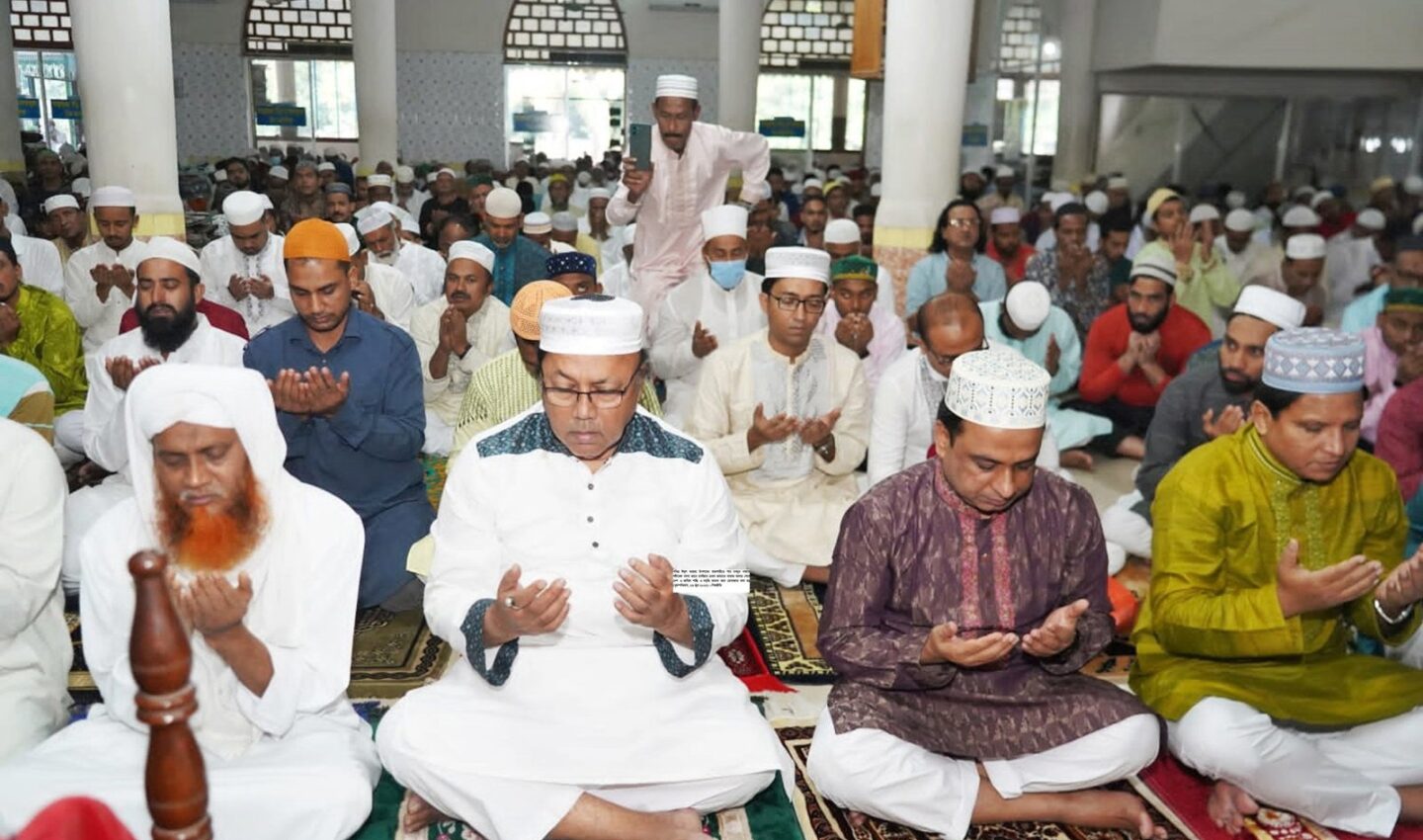
Taraweeh is the name given to the extended prayers performed at night during Ramadan, following the Isha prayer. They are prayed in congregation in mosques across the city, led by an imam whose recitation carries worshippers through long passages of the Quran across the month — so that, night by night, the whole book is honoured in the community’s hearing. The word itself is linked to rest, and the prayers honour that: they are taken in sets, with gentle pauses between them, giving the night its unhurried, breathing rhythm.
People attend in the way that suits their lives. Some stay for the full prayers every night; many come for part of the evening, especially on work nights; families often choose particular nights together. There is no single pattern to copy — the mosque welcomes every measure of attendance, and the atmosphere makes partial attendance feel like full belonging.
When It Starts and How Long It Lasts
Taraweeh begins straight after the Isha prayer each Ramadan night. Exact prayer times change daily through the month, so the official UAE prayer calendar or a trusted prayer app is always the place to check the evening’s Isha time — and individual mosques may vary slightly in their arrangements, which regulars confirm locally. As a rough feel, the prayers occupy the heart of the evening, and in the last ten nights many mosques also hold additional late-night prayers, often called qiyam or tahajjud, for those who wish to stay into the small hours.
- Before: break the fast at Maghrib, rest a little, then head to the mosque in good time for Isha.
- During: prayers in sets with rests between; sit, stand and rest as your strength allows — chairs are there for those who need them.
- After: greetings, tea, and the social hour that spills onto pavements and into cafés.
- Last ten nights: fuller mosques and later prayers; arrive early for a comfortable place.
📸 Follow @dxbtalk1 on Instagram for daily Dubai in photos →
What the Night Feels Like
First-time visitors are usually struck by the scale and the serenity at once. Dubai’s Taraweeh gatherings are large — mosques fill their halls, courtyards and overflow spaces, especially in the final nights — yet the mood is hushed and orderly, broken only by the recitation and the soft sounds of a thousand people moving together. Children drift between wakefulness and sleep on the carpet at the back. Elders pray seated in the chairs thoughtfully placed for them. The women’s sections hum with the same devotion, grandmothers and students side by side.
Outside, the city matches the mood: streets lit and lively, shops open late, tea stalls doing their best trade of the year. Ramadan nights in Dubai are famously awake — and Taraweeh is the appointment around which all that gentle nightlife revolves.
Practical Notes for Newcomers
A few kind customs make the night smoother. Arrive with wudu done where you can, to ease the press on ablution areas. Dress comfortably and modestly, with layers for air-conditioned halls. Bring water for afterwards rather than during. If you are attending with children, the back rows are the family’s traditional territory — forgiving of fidgets and exits. And if your strength lasts for only part of the prayers, slip away during a pause without a trace of embarrassment; everyone understands, because everyone has done it.
Non-Muslim friends curious about the nights are best directed to the city’s organised cultural experiences of Ramadan, while worshippers simply go — no booking, no ticket, just a mosque and an open row.
The Month’s Beating Heart
By the time the month closes — its end, like its start, confirmed by moon sighting and official announcement — Taraweeh has done its quiet work on the whole city. Neighbours who were strangers in week one are friends by week four. Routines of work and sleep have bent, gracefully, around a nightly hour of peace. And when the final night ends and Eid approaches, the slight sadness people feel is the surest sign of what Taraweeh is: not an obligation anyone dreads, but the appointment Dubai spends eleven months quietly looking forward to.