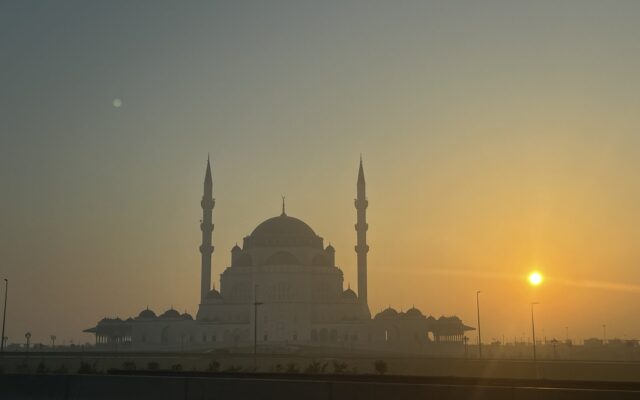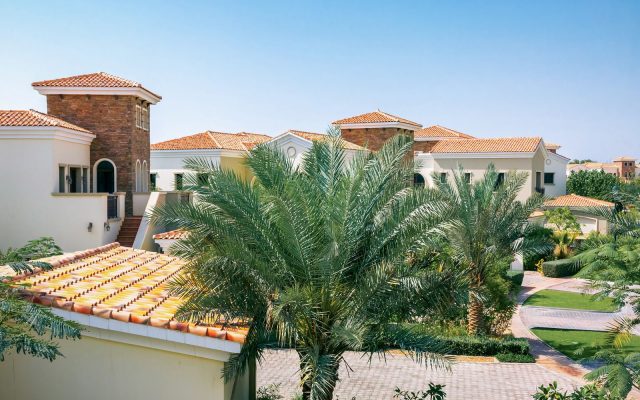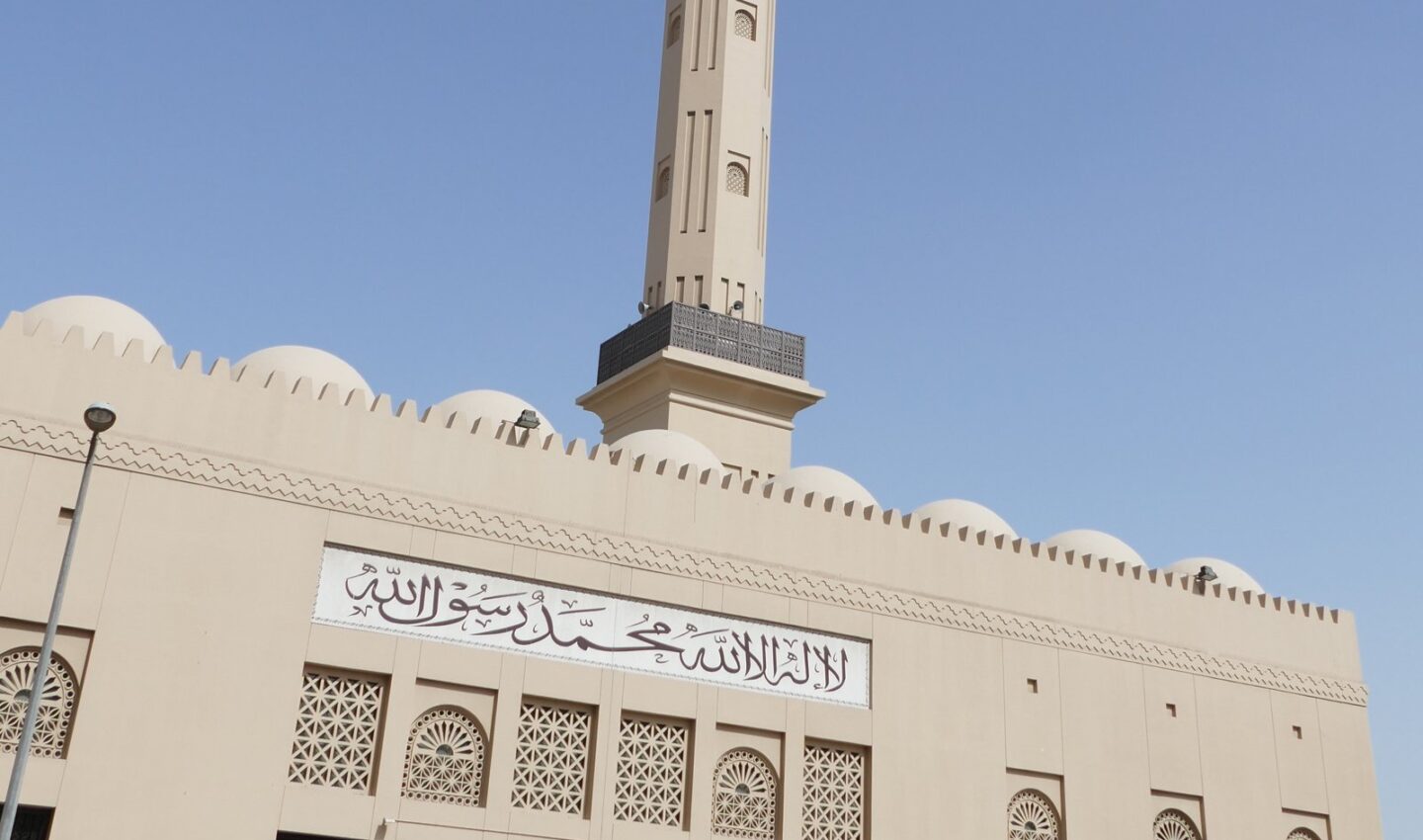
Al Warqaa is for people who have chosen quiet on purpose. Out beyond Mirdif, on the Mushrif Park side of the city, its districts unfold in villa streets with a calm that feels almost rural by Dubai standards — larger plots, greener verges, and evenings that genuinely go dark and silent. Prayer here matches the postcode: unhurried, local, and woven into family life at the gentlest possible scale. This is a calm resident’s guide to the neighbourhood mosques of Al Warqaa.
Prayer at villa-street pace
Al Warqaa’s mosques serve its villa streets in the classic neighbourhood pattern — close enough that daily prayer is a short walk or a two-minute drive, and personal enough that absence is noticed. The congregation is the street, essentially: the neighbours you wave at over the garden wall, the families whose children share a school bus with yours, the elders whose evening stroll ends, as it has for years, at the mosque door.
The five prayers give the district its soft structure. Fajr in Al Warqaa has a quality visitors from the tower districts find startling — real quiet, birds before traffic, a small devoted congregation in the early light. Dhuhr and Asr fit around commutes into the city; many residents work towards Festival City, the airport side or Deira, and time the afternoon prayer at home or near work accordingly. Maghrib brings the streets home; Isha, often followed by a slow pavement conversation, closes a day that never really hurried. Prayer times shift daily, so the official UAE calendar or a prayer times app for the day remains the household reference, checked each morning out of habit.
Friday: the whole neighbourhood, visible
If the daily prayers show Al Warqaa in miniature, Friday shows it complete. The midday congregation draws the villa districts together — families arriving across the generations, grandparents riding in honour in the front seats of family cars, children on their best behaviour and their best clothes. The sermon is in Arabic, as it is across the UAE, and afterwards the car parks and pavements host the neighbourhood’s real weekly parliament: news, introductions, invitations, and the gentle matchmaking of community life — who needs help, who has a spare cot, whose son is home from university.
Because Al Warqaa is spread out, families give Friday a little more travel time than the daily prayers, and arriving early is both practical and social. The reward is a congregation that feels less like an event than a family photograph, taken weekly.
📸 Follow @dxbtalk1 on Instagram for daily Dubai in photos →
Mushrif Park, seasons and Ramadan
The district’s green neighbour shapes its prayer year. In the cooler months, Mushrif Park fills at weekends with picnicking families who plan the day around the prayers — Asr before the barbecue peaks, Maghrib as the light goes and the park lamps come on, with mosques serving the Al Warqaa and Khawaneej side making it easy to keep the rhythm outdoors. It is one of Dubai’s loveliest low-key routines, and Al Warqaa families guard it happily.
Ramadan — its start announced each year following the sighting of the moon — deepens the district’s quiet into something almost luminous. Days slow; evenings come alive. Iftar is a home-and-mosque affair, Taraweeh gathers the streets late, and in a neighbourhood where people know each other well, the month’s charity is precisely aimed: the right help, to the right door, without a word said about it afterwards.
- Residents: the villa-street mosque is Al Warqaa’s social network — a few weeks of regular prayer and the district will know you kindly.
- Commuters: plan Asr around the drive home; many pray near work and take Maghrib back in the neighbourhood.
- Visitors: these are community mosques for worshippers; non-Muslim entry varies by mosque, and Dubai’s guided mosque visit is at Jumeirah Mosque.
Quiet, kept
Dubai has louder districts, taller districts and far more famous ones. Al Warqaa has something else: a neighbourhood that still moves at the speed of a walk to the mosque. Its prayer houses will never trouble the postcard racks, and their congregations prefer it that way. In the city’s calm north-eastern corner, faith is not a landmark. It is simply the way the street says good morning, and goodnight, together — unhurried, unshowy, and held in common by everyone who calls these quiet villa streets home.