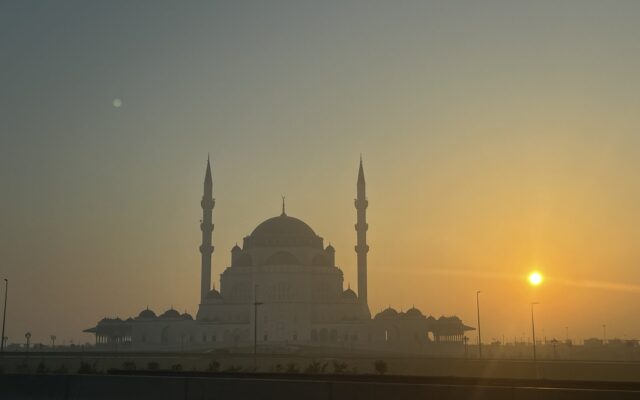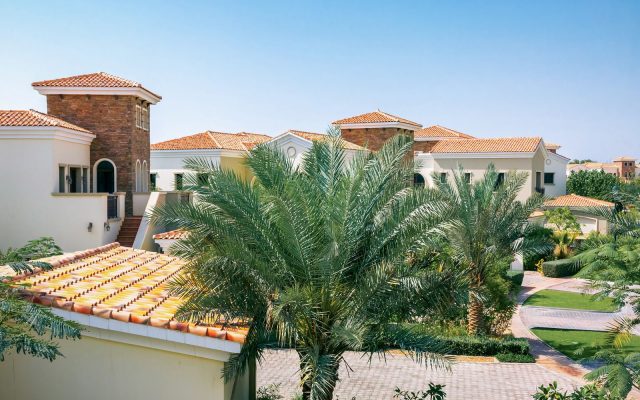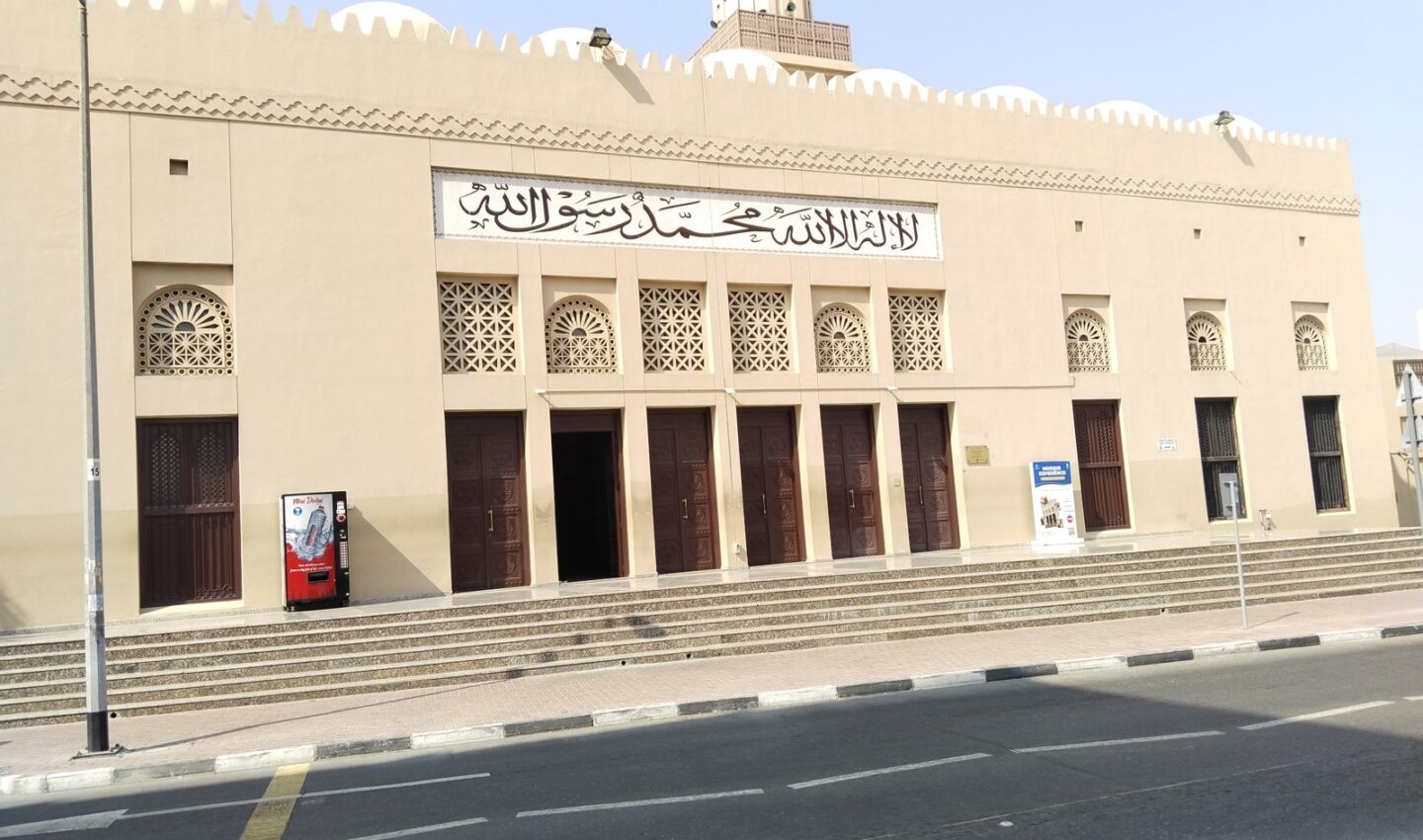
Discovery Gardens was built for a particular kind of Dubai life: affordable apartment blocks wrapped in greenery, streets named by their planting, and thousands of young families and working residents who want the Marina’s energy nearby without the Marina’s rent. Its clusters — Mediterranean, Zen, Contemporary and the rest — are home to one of the city’s most international populations. And, as in every Dubai community that truly works, the mosques are part of the foundation: serving the Gardens’ own clusters and shared with the neighbouring community of The Gardens, they give this green, busy district its daily rhythm and its Friday heart.
A resident’s prayer routine
Most worshippers in Discovery Gardens pray close to home, and that closeness shapes everything. The nearest mosque becomes your mosque — the one where the imam’s voice is familiar, where your neighbours’ faces are known, and where your children start asking to come along. Daily prayer here is a walk, not an expedition: down from the apartment, through the planted streets, shoes off, rows filling with the people from your own stairwell and the block across the garden.
The five prayers divide the community’s day in the usual, comforting way. Fajr gathers the early risers before the Sheikh Zayed Road commute. Dhuhr and Asr serve the many residents who work from home, study, or work shifts in nearby Jebel Ali, Media City and the Marina — plus the small army of staff who keep the district’s shops and cafés running. Maghrib is the homecoming prayer, taken as families return and the gardens fill with evening walkers. Prayer times shift daily, so the official UAE calendar or a prayer times app for the day sits on every phone here, checked as automatically as the weather.
Friday among the gardens
Friday prayer is the community’s weekly reunion. In a district of young families, it has a particular warmth: fathers with sons in their best clothes, grandmothers visiting from home countries being settled with honour, students and young professionals from a dozen nations filling the rows behind them. The sermon is delivered in Arabic, as across the UAE, and then the congregation pours out into the green streets — greetings in Urdu, Hindi, Arabic, Tagalog, Malayalam and English, invitations exchanged, and the weekend properly begun.
Because the district is dense, the standing advice is the same as in any popular Dubai neighbourhood: arrive early on Fridays, especially in the cooler months when nobody wants to hurry home afterwards. The car parks and pavements around the mosques fill with the cheerful, slightly chaotic energy of a community event — because that, of course, is exactly what it is.
📸 Follow @dxbtalk1 on Instagram for daily Dubai in photos →
Shared life with The Gardens
Discovery Gardens does not pray in isolation. Next door, The Gardens community — built around its own boulevard and the Ibn Battuta side of life — shares in the same wider pattern of mosques and prayer spaces, and residents of both districts drift naturally between them for Friday prayer, Ramadan nights and family occasions. It is a reminder that Dubai’s neighbourhood boundaries are administrative; its mosque communities are not. The man beside you at Isha may live three clusters away or in another district entirely. By the second handshake, it stops mattering.
Ramadan — its start and end announced each year following the sighting of the moon — brings the green streets into their own. Iftar is shared in and around the mosques, the night prayers draw families out into the cooler dark, and the gardens between the blocks carry the sound of children playing late while their parents are at prayer. For children growing up here, Ramadan nights in Discovery Gardens become the memory against which all later Ramadans are measured.
- New to the district? Your nearest mosque is the fastest orientation device ever invented — a week of Maghribs and you will know your neighbours.
- Working shifts? The spread of mosques across the Gardens and the neighbouring community means a prayer option is rarely far from any cluster.
- Visiting? Most mosques are for worshippers; for a guided mosque visit, look to Jumeirah Mosque’s tours instead.
Green streets, gathered people
Discovery Gardens sells itself on planting and value, and both are real. But ask its residents what holds the place together and many will point, without hesitation, to the mosque at the end of the walk — the place where the clusters stop being a property development and become a community. In a district built for the world’s workforce, that may be the most valuable amenity of all.