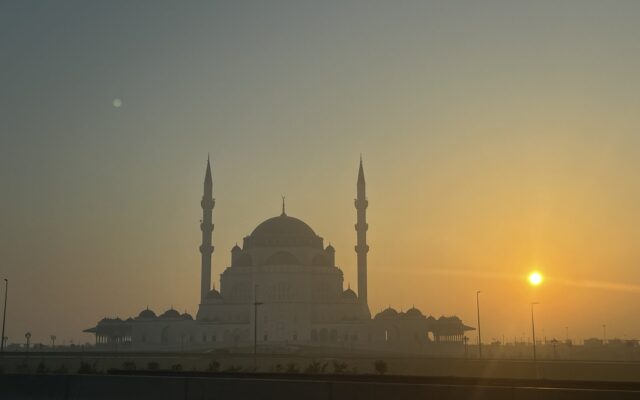
Stand in Downtown Dubai at dusk and your eyes go, almost against your will, to Burj Khalifa. The tower catches the last light, the fountains begin to breathe below it, and the boulevards fill with families, office workers and visitors from every corner of the world. Then, clear and unhurried over the traffic, comes the adhan. It is the moment when the tallest, busiest, most photographed neighbourhood in Dubai remembers its quieter heart — because tucked between the towers, the malls and the old low-rise streets of the district, mosques serve the people who live and work here every single day.
Downtown is often described as a place people visit, but thousands also call it home, and tens of thousands more work in its hotels, restaurants, offices and shops. Their prayer life needs somewhere to happen, and it does: in mosques woven into the district and in prayer rooms inside its great buildings. The contrast is part of the beauty. Outside, glass and steel climb towards the sky; inside the prayer hall, there is carpet, calm and rows of people standing shoulder to shoulder with their shoes left neatly at the door.
Stillness in the shadow of the tower
What surprises many newcomers is how quickly the mood changes once you step inside. Downtown runs at full pace — deliveries, valet queues, tour groups, coffee runs — yet a few steps through a mosque doorway the noise falls away. Workers on a break, residents from the surrounding towers and visitors who are themselves worshippers arrive, perform their ablutions and take their place in the row. For a few minutes, nobody is a manager, a waiter, a tourist or a taxi driver. Everyone is simply a worshipper.
That equality is one of the most moving sights in the district. In the same line you might find an Emirati businessman in a crisp white kandura, a hotel chef still thinking about the evening service, a security guard from Kenya, a delivery rider from Pakistan and a young father from Egypt with his small son copying every movement beside him. The carpet does not reserve a better place for anyone, and Downtown, of all places, makes that lesson vivid.
A working day shaped by prayer
For the people who staff Downtown, prayer is threaded carefully through shifts. The district’s rhythm helps: prayer rooms in the large malls and commercial buildings mean staff do not have to travel far for Dhuhr or Asr, while nearby mosques serve those who prefer a full prayer hall when their break allows. Prayer times change daily with the sun, so the habit here — as everywhere in Dubai — is to check the official UAE calendar or a trusted prayer times app for the day rather than rely on memory.
Friday has its own pattern. Long before the midday prayer, worshippers begin arriving from the towers and workplaces, and the mosques fill in a way that can catch visitors off guard. The sermon is delivered in Arabic, as it is across the UAE, and afterwards the congregation spills out into the sunshine, greetings are exchanged in a dozen languages, and the district exhales into family lunches and a slower afternoon. If you work or stay in Downtown, arriving early on a Friday is the kindest advice anyone can give you.
📸 Follow @dxbtalk1 on Instagram for daily Dubai in photos →
Evenings, Ramadan and the beauty of the hour
Maghrib in Downtown is a small daily drama. The sky turns apricot behind the tower, the fountain crowds gather, and in the mosques and prayer rooms the sunset prayer is offered at almost the same moment the first evening lights come on. In Ramadan, the scene deepens: iftar tables, dates and water shared quickly before prayer, and later the night prayers drawing residents out of the towers in a soft, unhurried stream. Ramadan and Eid dates depend on the sighting of the moon and official announcements, so the community watches and waits together each year.
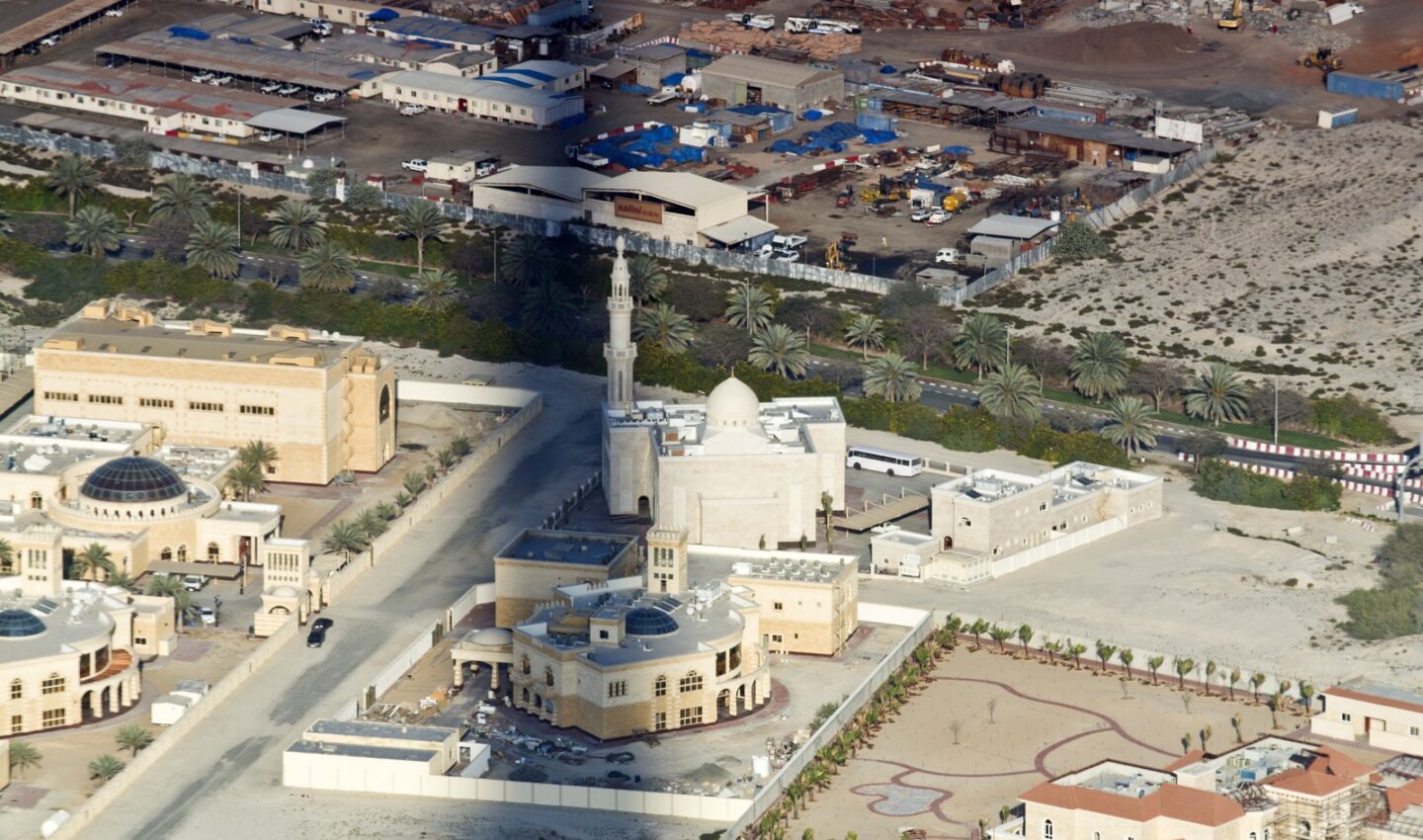
It is worth saying clearly, for visitors: most mosques in Dubai are places of worship for worshippers rather than sightseeing stops, and entry for non-Muslim visitors varies by mosque. The famous exception is Jumeirah Mosque, which runs guided tours — but Downtown’s mosques are best admired from outside unless you have come to pray. From the pavements and the boulevard, their domes and minarets still give you plenty: a reminder, in the middle of all that vertical ambition, of something deliberately low, quiet and shared.
What Downtown’s mosques teach the city
Every great city district gets judged by its landmarks, and Downtown will always be judged by the tower. But for the people who actually live the neighbourhood — who open its shops at dawn, clean its lobbies at night, raise children in its residences and grow old in its older streets — the mosque is the landmark that matters most. It is where the week is anchored, where neighbours learn each other’s names, and where a newcomer, arriving from any country on earth, can walk in and find a place in the row waiting for them.
So if you find yourself near Burj Khalifa when the call to prayer sounds, pause and listen. You are hearing the other half of Downtown: not the part that reaches highest, but the part that gathers widest — hundreds of nationalities, one carpet, one quiet pause in the city’s loudest address.