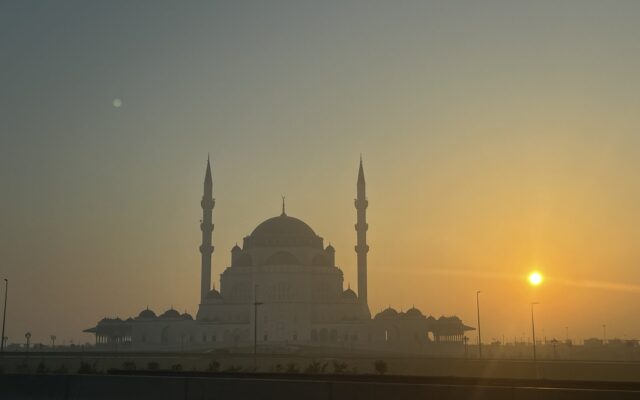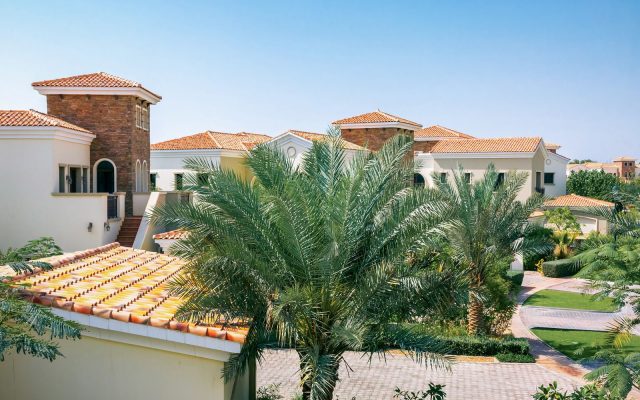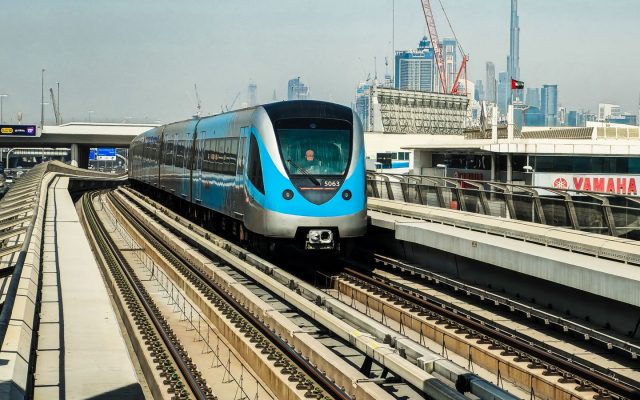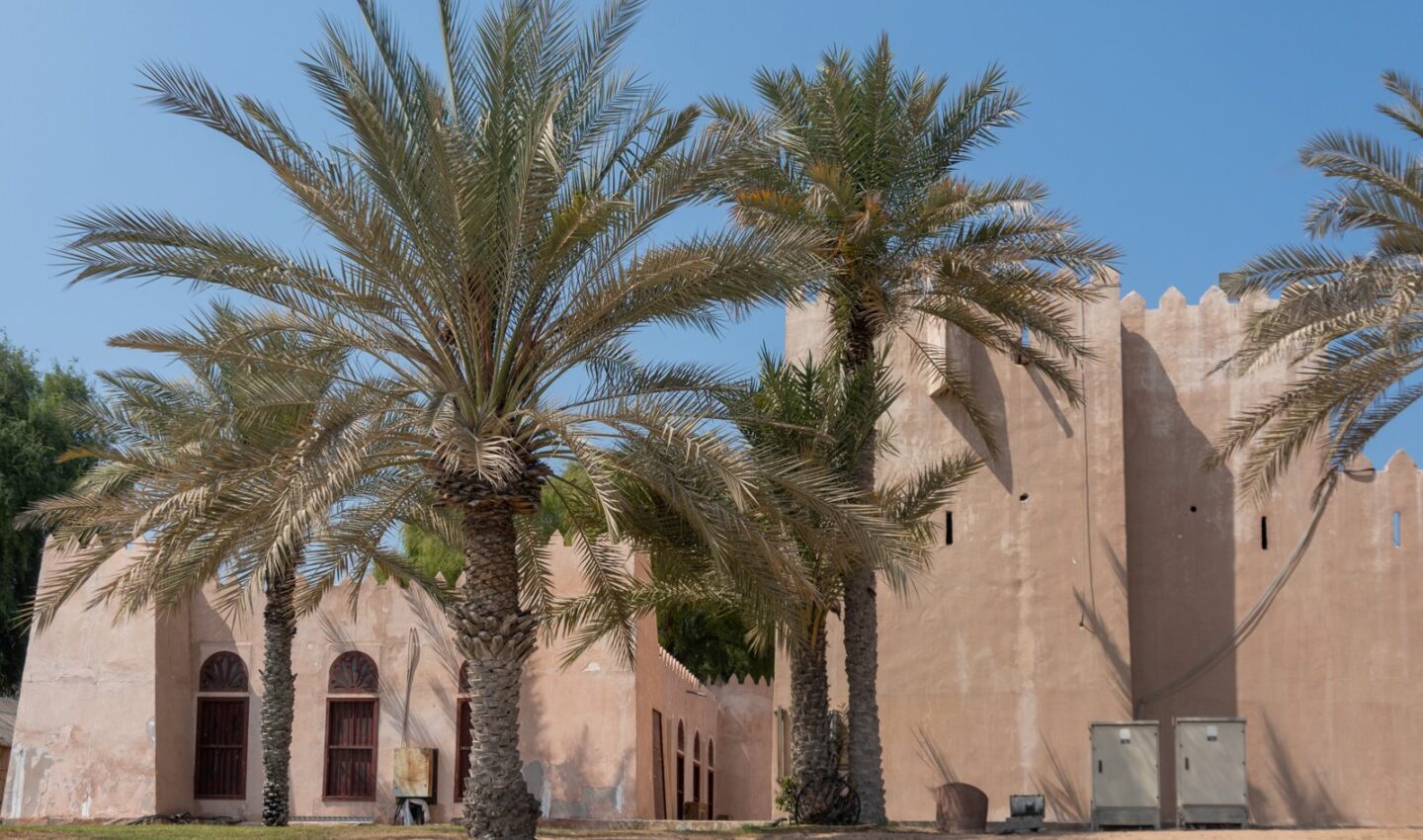
Al Barsha does family life at full volume: villa streets and apartment blocks, school runs and supermarket queues, the great Mall of the Emirates looming at its edge. Through it all, one institution keeps the neighbourhood’s gentler rhythm — its local mosques, known locally as the best-loved prayer houses of their streets. They are not famous, and that is exactly their charm. Al Barsha’s mosques belong to the people who live here, five prayers a day.
Ask a resident for directions and you will hear it: turn at the mosque, park behind the mosque, the villa two streets past the mosque. In Al Barsha, mosques are the compass points of everyday life.
Mosques for Villa Streets and Apartment Blocks
Al Barsha mixes housing in a way few districts do — Emirati villas and expatriate family homes behind garden walls on one street, mid-rise apartment buildings full of young professionals and small families on the next, with Barsha Heights adding towers and offices nearby. The mosques serve all of it. A small mosque may gather one cluster of streets; a larger one draws the Friday crowds from across the district.
What unites them is intimacy. Congregations are neighbourly: the same grocer, teacher, nurse and taxi driver appear day after day, and newcomers are spotted quickly — usually because someone makes a point of welcoming them after prayer. For families new to Dubai, the local mosque is often the first place the city starts to feel like home.
The Friday Family Rhythm
Friday is when Al Barsha’s mosques show their full warmth. Fathers walk to Jummah with sons in miniature kanduras. Cars fill the sandy plots and side streets in cheerful disorder. Grandparents arrive early for their favourite spots. Prayer times change daily, so families check the official UAE calendar or a prayer times app for the day, but the pattern is set: prayer first, then the long family lunch that anchors the weekend.
Afterwards the neighbourhood exhales. Children spill into gardens and courtyards. Neighbours linger to arrange the week’s kindnesses — a lift offered, a meal promised, a new baby admired. Visitors who think of mosques only as buildings miss this entirely: in Al Barsha the mosque is the neighbourhood’s diary, written weekly in gatherings.
📸 Follow @dxbtalk1 on Instagram for daily Dubai in photos →
Many Nations in One Neighbourhood
Barsha’s population is a cross-section of Dubai itself, and its prayer rows prove it. Emirati families stand beside Arabs from across the region, South Asian professionals, Filipino staff from the mall and hotels, African and Southeast Asian residents — a genuinely mixed congregation in which children grow up assuming, correctly, that this is simply what a community looks like.
That mix gives Al Barsha’s mosques a particular liveliness at Maghrib and during Ramadan evenings, when the whole district seems to be out at once — praying, walking, buying luqaimat from a nearby stall, greeting friends. Ramadan and Eid dates depend on moon sighting and official announcement, but the neighbourhood’s togetherness in those weeks is guaranteed.
Prayer Near the Mall and the Metro
For shoppers and workers around Mall of the Emirates, prayer rooms inside the mall cover the shopping hours, while the district’s mosques serve the fuller rhythm of the day — Fajr for the early risers, Isha for the neighbourhood night owls. Staff from the mall, the hotels and the offices along Sheikh Zayed Road fold prayer into shift patterns in the unremarkable, well-organised way Dubai does so well.
- Character: neighbourly, family-first mosques serving streets, not tourists
- Congregation: Emirati and expatriate families, mall and office workers
- Peak moments: Friday Jummah and Ramadan evenings
- Nearby: Mall of the Emirates prayer rooms for shoppers
As with most mosques in Dubai, these are places of worship for the community; non-Muslim sightseeing entry should not be assumed. Their gift to the wider city is visible from the street — a district organised, kindly and calmly, around its prayer houses.
Where Al Barsha Feels Like Home
Districts can have malls, schools and parks and still feel anonymous. Al Barsha escapes that fate largely because of its mosques, which turn streets into congregations and neighbours into friends. The call to prayer over the villa rooftops at dusk — children called in, kettles going on, the hall filling down the road — is the sound of a neighbourhood that knows itself.
If you ever live in Al Barsha, you will navigate by its mosques within a month. If you pray in them, you will belong within a week. That is what a community mosque is for.