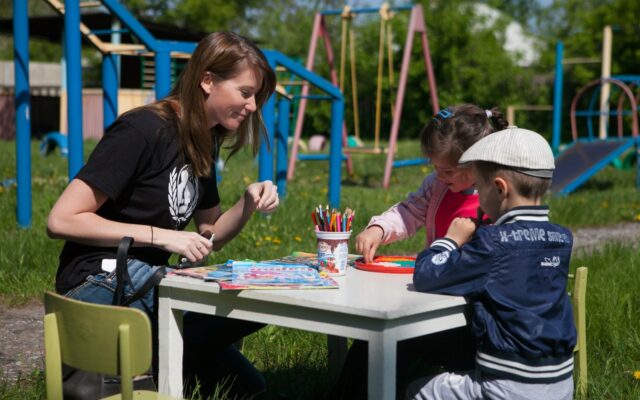
Dubai offers children an almost limitless menu after school: football academies, swimming squads, ballet, robotics, coding, martial arts, music graded exams, drama, art and more, much of it bookable within a short drive. The abundance creates a modern parenting problem — not finding activities, but choosing and pacing them so the week stays balanced and your child stays happy. More is not better; appropriate is better. Providers, prices and school club offerings change every term, so use this guide to build your family’s approach and check current options as you book.
Start With the Child, Not the Catalogue
Before browsing providers, observe your child. What do they gravitate to when nobody is directing them — movement, making things, performing, puzzles, teams or solitude? What does their week need: more physical activity because school is sedentary, more unstructured social time, or deeper development of a clear passion? Ask teachers too; schools see a side of children parents sometimes miss. For younger children especially, breadth beats specialisation — a range of physical, creative and social experiences builds more than early single-sport intensity, and sports medicine guidance generally cautions against very early specialisation. Let genuine enthusiasm, sustained over months, be what earns a bigger commitment.
School Clubs Versus External Providers
Dubai schools typically run a programme of extra-curricular activities each term, some free and teacher-led, others provided by external companies on campus for a fee. School clubs have real advantages: no driving, friends from school, and teachers who know your child. External providers offer deeper coaching, better facilities for some sports and holiday continuity. Many families blend one or two of each. Sign-up for popular school clubs can be competitive and is often done through the parent portal at term start — note the date, because the good ones fill within hours. Whatever you choose, know the collection arrangements precisely; after-school logistics are where good intentions go to die.
📸 Follow @dxbtalk1 on Instagram for daily Dubai in photos →
Pacing the Week by Age
As a working pattern many families find sustainable: younger primary children thrive on one or two structured activities a week, with plenty of free play; older primary children can usually handle two or three if homework stays light and one weekday afternoon stays empty; secondary students juggling real homework often do best with two anchors — typically one physical, one creative or social — plus their own downtime, with exam terms deliberately lighter. Protect sleep fiercely: an activity that regularly ends at 9pm for a child with a 6am start is borrowing from tomorrow. Keep at least one family evening and one genuinely unscheduled block each week; boredom is not a scheduling failure, it is where imagination lives.
The Dubai Logistics Factor
Geography decides sustainability here more than enthusiasm does. An academy 25 minutes away is an hour’s round trip in traffic, twice a week, in the heat, with a tired child — calculate the real cost before committing, and favour near-home or in-school options for weeknights. Seasonal thinking helps too: outdoor sports coaching is glorious from October to April and gruelling in the summer, when indoor activities, swimming and morning sessions come into their own. Many providers pause or reshape programmes for Ramadan and summer; check term dates and refund or credit policies before paying for a full season, and use trial sessions — widely offered — before any large commitment.
Review, Rotate, Release
Treat each term as a review point. Is your child going willingly or being dragged? Are they progressing, or at least still enjoying it? Is the week’s total load leaving them rested and cheerful? Children are allowed to finish things — completing a paid term teaches commitment — but they should also be allowed to stop things at review points without it being framed as failure; tastes develop. Watch for overload signals: declining schoolwork, tiredness that sleep does not fix, dreading activities they once loved, and no time left to simply play. One activity dropped at the right moment protects the rest.
A Balanced Week, On One Page
Sketch the week visually with your child: school, homework, activities, family time, free time. If free time is invisible on the page, the week is too full, whatever the brochures promise. Aim for a mix across the month — something physical, something creative, something social, something restful. That balance, reviewed each term, will carry your child through Dubai’s extraordinary activity market with its benefits intact and its costs contained.