

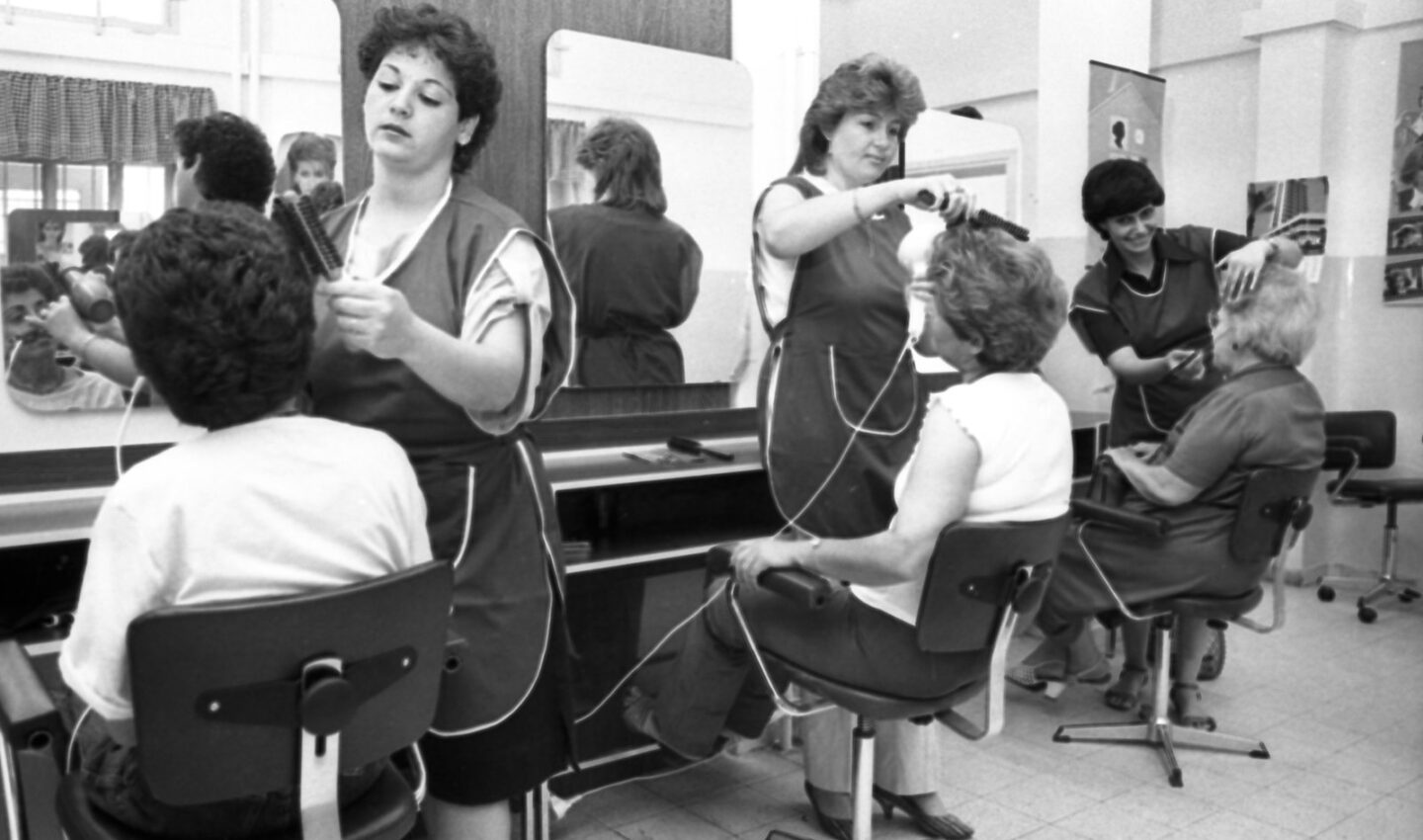
Dubai’s salon industry is large, polished and always hiring, which makes beauty and hairdressing a realistic vocational route for people who prefer skilled, hands-on work to a desk. Training academies in the city offer courses in hairdressing, beauty therapy, nails, make-up and related specialisms, from short upskilling workshops for working technicians to full diploma programmes for beginners starting from zero. The key is choosing training that salons actually respect: practical hours on real clients, recognised certification and tutors who have worked in the industry. This guide explains the main routes, what courses cover and how to judge an academy’s quality before paying.
Hairdressing Training Routes
Hairdressing programmes typically progress from fundamentals — health and safety, consultation, shampooing and blow-drying — through cutting, colouring, styling and treatments, with advanced courses covering creative colour, extensions and barbering. Beginners should look for diplomas that combine theory with extensive supervised practice, ideally including sessions on live models rather than only mannequin heads. Some Dubai academies structure training around internationally recognised qualification frameworks, which can help graduates who later work abroad, but arrangements and awarding bodies vary, so ask exactly which certificate you will receive and who issues it. Working stylists often return for short courses in a single new technique. Course lengths range from intensive weeks to part-time months, and fees vary by academy and level — confirm the full cost, including kits and exam fees, before enrolling.
Beauty Therapy, Nails and Make-Up
Beauty therapy training covers skincare and facials, waxing, massage, manicure and pedicure, and the safe use of salon equipment and products. Nail technology is often taught as its own specialism, from natural nail care through gel and acrylic systems to nail art — a popular route into salon work or a home-based business. Make-up courses range from personal make-up lessons to professional programmes covering bridal, photographic and special-occasion work, which connect with Dubai’s busy events and wedding industries. When comparing courses, ask how much time is spent practising on models, what products students train with and whether a professional kit is included or must be bought separately. Hygiene and safety standards should be visibly rigorous; in beauty work they are professional essentials, not paperwork.
📸 Follow @dxbtalk1 on Instagram for daily Dubai in photos →
What Employers Look For
Salons hiring in Dubai generally want certificates, demonstrable skills and the right attitude towards clients. A graduate who can show a portfolio of real work, communicate well in a consultation and work reliably within a team will usually stand out over a certificate alone. Many academies help with salon placements or work experience during training, and those links are worth asking about specifically: how many students gain placements, and with what kind of salons? Licensing and municipality requirements apply to salon work in Dubai and can change, so anyone planning to work — especially anyone dreaming of opening their own salon later — should check the current requirements with the relevant authorities rather than relying on an academy’s summary. Treat freelancing rules with particular care, as they are a common area of confusion.
Choosing an Academy
Visit before you enrol if you can. A good training salon looks and feels like a professional workplace: clean stations, current equipment, organised classes and students practising under active supervision. Questions to ask include:
- Which certificate will I receive, and which body awards it?
- How many hours are practical, and do I practise on real clients?
- What is the maximum class size, and who teaches each module?
- Are kits, products and assessment fees included in the price?
- Does the academy help with placements or salon introductions?
Student reviews and graduates’ experiences are useful, especially comments about tutor support. Also check the schedule honestly against your life: intensive courses demand full attendance, and missed practical sessions are hard to replace.
Costs and Career Outlook
Fees vary widely — short specialist workshops cost a fraction of full diploma programmes, and payment plans are sometimes available — so confirm the total, including kits and assessments, before committing. Career paths afterwards include salon roles across Dubai’s hotel, mall and neighbourhood salons, spa therapy, retail beauty advising, bridal and events work, and eventually senior stylist, trainer or salon management positions. Income depends on role, employer and experience, and no academy can guarantee a salary, so be sceptical of earnings promises. What good training genuinely provides is employable skill, a portfolio and professional habits. In a city that takes grooming seriously, those carry weight — and for the right person, beauty training is a creative, social and genuinely sustainable career choice.




