Human resources in Dubai is a profession of two halves: the international frameworks that structure modern HR practice, and the local labour law landscape in which that practice operates. For qualifications, one name dominates job advertisements across the Emirates — CIPD, the UK’s Chartered Institute of Personnel and Development — supported by a range of local certificates and diplomas. This guide explains the CIPD levels, how study works in Dubai, and the local knowledge that completes the picture.
CIPD Levels Explained
CIPD qualifications are organised by level, and choosing the right one matters more than choosing the fastest one. Level 3, the foundation certificate, suits HR administrators, coordinators and career switchers entering the field; it covers the essentials of practice, from recruitment support to employment basics. Level 5, the associate diploma, is the workhorse qualification for HR officers, advisors and business partners: organisational performance, talent management, employment relations and evidence-based practice, studied at a level comparable to undergraduate work. Level 7, the advanced diploma, targets senior practitioners and HR leaders, with strategic content comparable to postgraduate study; completing it can lead towards chartered membership grades, subject to CIPD’s current requirements and experience assessment.
Membership itself is tiered — foundation, associate, chartered and fellow grades among them — and many Dubai employers ask for “CIPD qualified” meaning a completed diploma at the appropriate level plus membership. Check the exact combination a target employer expects before enrolling.
Studying CIPD in Dubai
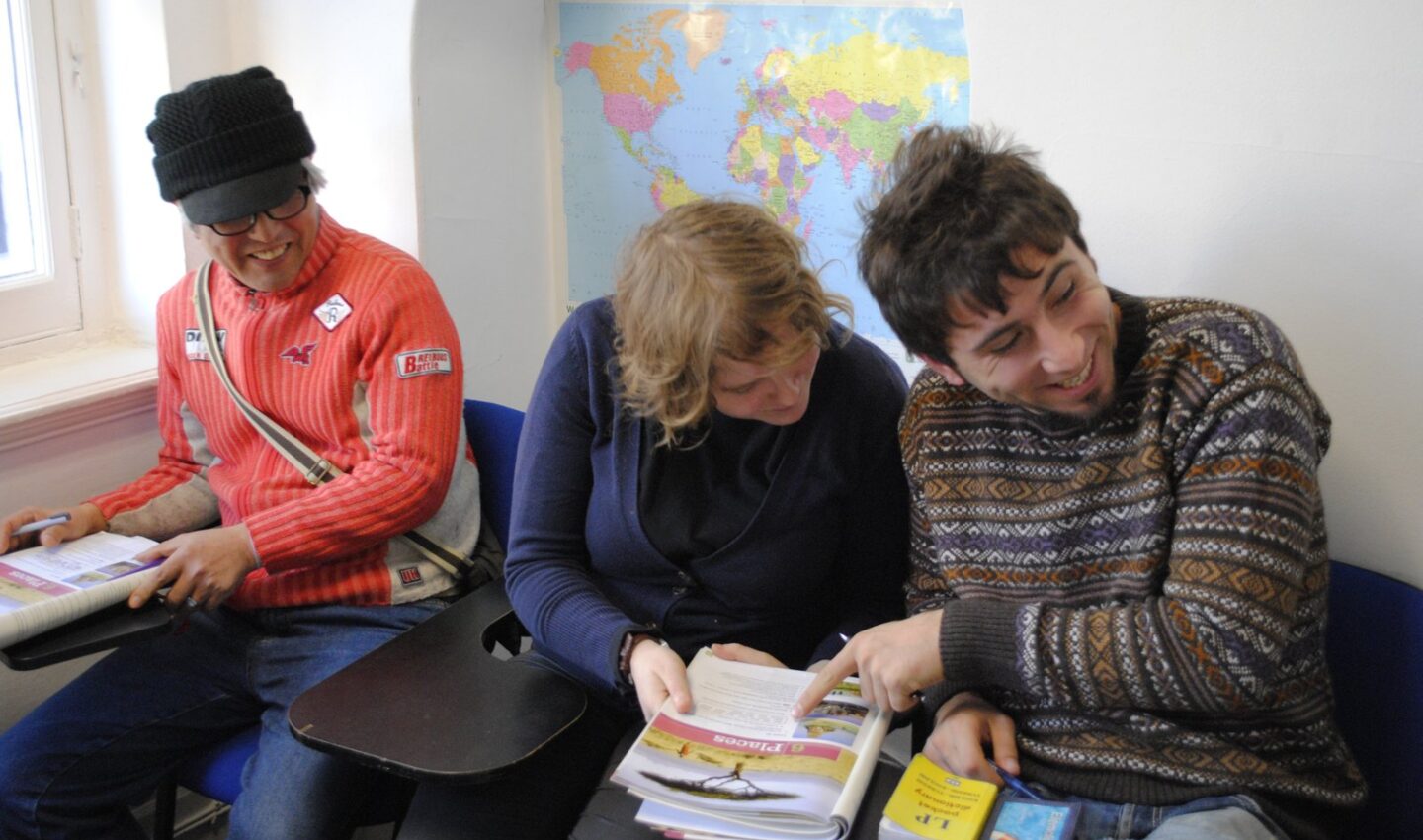
CIPD qualifications are delivered through approved study centres, several of which operate in Dubai or serve Dubai students online. Delivery typically blends online materials with tutor support, workshops — in person in areas such as Dubai Knowledge Park or Business Bay, or live online — and assignments applied to real or case-study organisations. A Level 5 diploma commonly takes around a year to eighteen months part time; Level 3 rather less, Level 7 up to around two years. There are no traditional sit-down exams for most units; assessment is assignment-based, which suits working practitioners who can draw on their own workplaces.
Fees are set by each centre and course fees vary — confirm with the institute — covering tuition and materials, while CIPD membership and any registration charges are usually separate and set by CIPD itself. Some employers sponsor staff through CIPD, particularly at Level 5, so it is always worth asking your own HR department — an appropriately meta first negotiation.
📸 Follow @dxbtalk1 on Instagram for daily Dubai in photos →
The Local Layer: UAE Labour Knowledge
CIPD teaches principles, not UAE statute. Dubai HR roles require working knowledge of the UAE labour framework — employment contracts, the Emiratisation agenda and its targets for private sector employers, end-of-service benefits, and the systems of the Ministry of Human Resources and Emiratisation and the free zone authorities. Short local courses and certificates in UAE labour law are offered by training institutes in Dubai and are a sensible companion to a CIPD diploma, especially for practitioners whose earlier career was in another country. Recruiters in the Emirates quietly test for this combination; a CV showing international qualification plus local legal literacy stands out.
Other Routes and Complementary Certificates
- SHRM certifications — the US-based Society for Human Resource Management credentials are recognised by some multinational employers in Dubai and are available through local preparation providers.
- Specialist certificates — short courses in compensation and benefits, learning and development, HR analytics and recruitment allow practitioners to deepen a niche without another full diploma.
- Degree routes — HR-focused master’s programmes from universities in Dubai suit those wanting an academic qualification alongside, or instead of, the professional route.
Building the Career, Not Just the Certificate
Dubai’s HR community is compact and networked: CIPD branch activity, HR conferences and institute alumni groups connect practitioners across sectors from hospitality to technology. Qualifications get your CV screened in; evidence of outcomes — a retention problem improved, a hiring process rebuilt, an Emiratisation plan delivered — gets you hired. Choose the CIPD level that matches the role you want next rather than the one you have outgrown or not yet grown into, add the UAE legal layer, and the qualification becomes what it should be: a platform, not a full stop. In a city where HR teams are lean and expectations high, that platform carries practitioners a long way.