

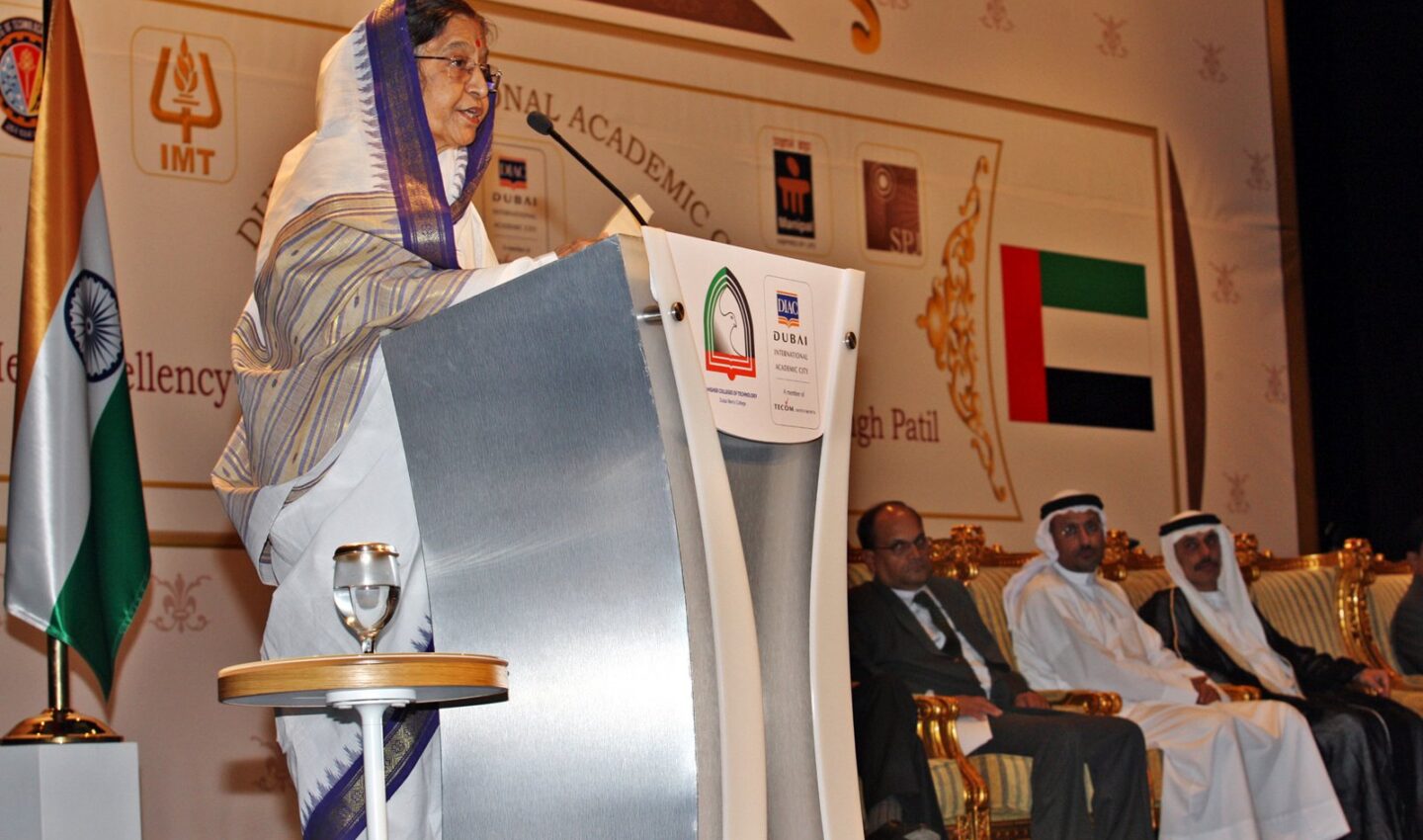
Drive east from central Dubai towards the desert and the billboards change: university names line the roads into Dubai International Academic City, better known as DIAC. This purpose-built education free zone was created to gather higher education institutions into one district, and it has become the largest concentration of universities and colleges in the region. For prospective students it can feel like a city within a city. This guide explains DIAC’s role, the kinds of institutions based there, and what student life in the district is really like.
Why DIAC exists and how it works
DIAC was established as a dedicated free zone for higher education, giving international branch campuses and private institutions a base from which to operate in Dubai with zone-specific licensing and facilities. Universities in the zone are generally overseen through Dubai’s education authorities, and KHDA plays a central role in the quality framework for free-zone higher education, including its university ratings approach for branch campuses. Students should check the latest KHDA inspection report context and confirm each institution’s current licensing and accreditation status directly, because arrangements and ratings are updated over time.
The cluster model is the point. By placing dozens of institutions side by side, the zone supports shared services, inter-university events and a recognisable student district rather than scattered campuses. For universities, it offers purpose-built premises and a ready-made academic neighbourhood. For students, it means choice concentrated in one place: on a single open-day trip you can realistically visit several institutions and compare them.
The universities based there
DIAC hosts a broad mix. There are branch campuses of well-known international universities, including Indian institutions with large engineering and technology cohorts, British and Australian campuses, and universities from across the Middle East and Asia. There are also local and regional private universities and specialist colleges offering programmes in business, computing, media, design, hospitality and other fields. Between them they serve everyone from school leavers starting a bachelor’s degree to working professionals on evening master’s programmes.
Rather than memorising a list, which changes as institutions open, move or expand, the useful approach is to shortlist by subject and awarding body. Ask each university who awards its degrees, whether the Dubai programme matches the home-campus version where relevant, and what facilities it has on site. DIAC’s scale means neighbouring institutions can differ sharply in size, price and character, from large multi-faculty universities with thousands of students to compact specialist colleges.
📸 Follow @dxbtalk1 on Instagram for daily Dubai in photos →
Student life in the district
Student life in Academic City is shaped by its geography. The district sits inland, near Dubai Silicon Oasis, Al Warqaa and Mirdif, with a quieter, more suburban feel than the coastal districts. Purpose-built student accommodation has grown around the zone, including large residence complexes aimed at students from multiple universities, and many students also live with family across Dubai or share apartments in nearby communities such as International City and Silicon Oasis, commuting in by car, taxi or bus.
On campus, life revolves around each university’s own societies, sports teams and events, supplemented by zone-wide activities that bring institutions together for competitions, careers fairs and festivals. Cafés, food courts and everyday services are dotted through the district, and students typically travel into central Dubai for the beach, malls and nightlife rather than finding them on the doorstep. Many students treat that split as a positive: a focused, relatively affordable study base during the week, with the whole city available at weekends.
Transport, costs and practicalities
Getting to DIAC needs planning. The district is not directly served by the Metro, so most students rely on university shuttle buses, public buses, cars or ride-hailing. Many universities run transport services from set points across Dubai and sometimes Sharjah, typically for an additional fee, so ask about routes and costs when you apply. If you plan to drive, check parking arrangements; if you plan to live nearby, visit at rush hour to test the commute honestly.
Living costs around the zone are generally lower than in the prime coastal districts, which is one reason so many students base themselves nearby. Tuition, however, is set by each university individually and varies widely between institutions in the same street. Fees change every year, scholarships and discounts are common but conditional, so confirm current fees and the full cost of your degree directly with each university, and ask what a typical student budget for accommodation and transport looks like.
Is DIAC right for you?
- Shortlist by subject and awarding university, not by the zone itself.
- Check licensing, accreditation and the latest KHDA context for each institution.
- Test the commute or shuttle route before committing to accommodation.
- Compare total degree costs and scholarship conditions in writing.
- Visit more than one campus in the district on the same trip.
- Ask current students about social life, support and teaching quality.
DIAC is not a university; it is the neighbourhood where many of Dubai’s universities happen to live. Judged that way, it does its job well, concentrating choice, student housing and academic energy in one district. The decision that matters is still the individual institution and programme. Do that homework carefully, verify the details directly, and Academic City can be an excellent, practical base for student life in Dubai.





