

Parents touring Dubai nurseries will hear the letters EYFS everywhere — on websites, in prospectuses and in almost every tour script. The Early Years Foundation Stage is the framework for learning, development and care for young children in England, and it underpins practice in the many British-curriculum nurseries and school early years departments across the emirate. It is a framework rather than a syllabus: it tells settings what children should experience and how adults should support them, while leaving the daily activities to the nursery’s own character. Here is what it actually means for your child’s days.
The Shape of the EYFS Framework
The EYFS organises early learning into seven areas. Three prime areas come first and matter most for the youngest children: communication and language; physical development; and personal, social and emotional development. Four specific areas build on those foundations: literacy, mathematics, understanding the world, and expressive arts and design. The logic is developmental — a child needs language, physical confidence and emotional security in place before formal literacy and number work make sense — and good EYFS settings are visibly organised around that sequence.
The framework also describes how young children learn, through playing and exploring, active learning, and creating and thinking critically. In Dubai you will see this interpreted through everything from water play and construction corners to garden planting and role-play areas dressed as a Dubai café or a souk.
Play-Based Learning in Practice
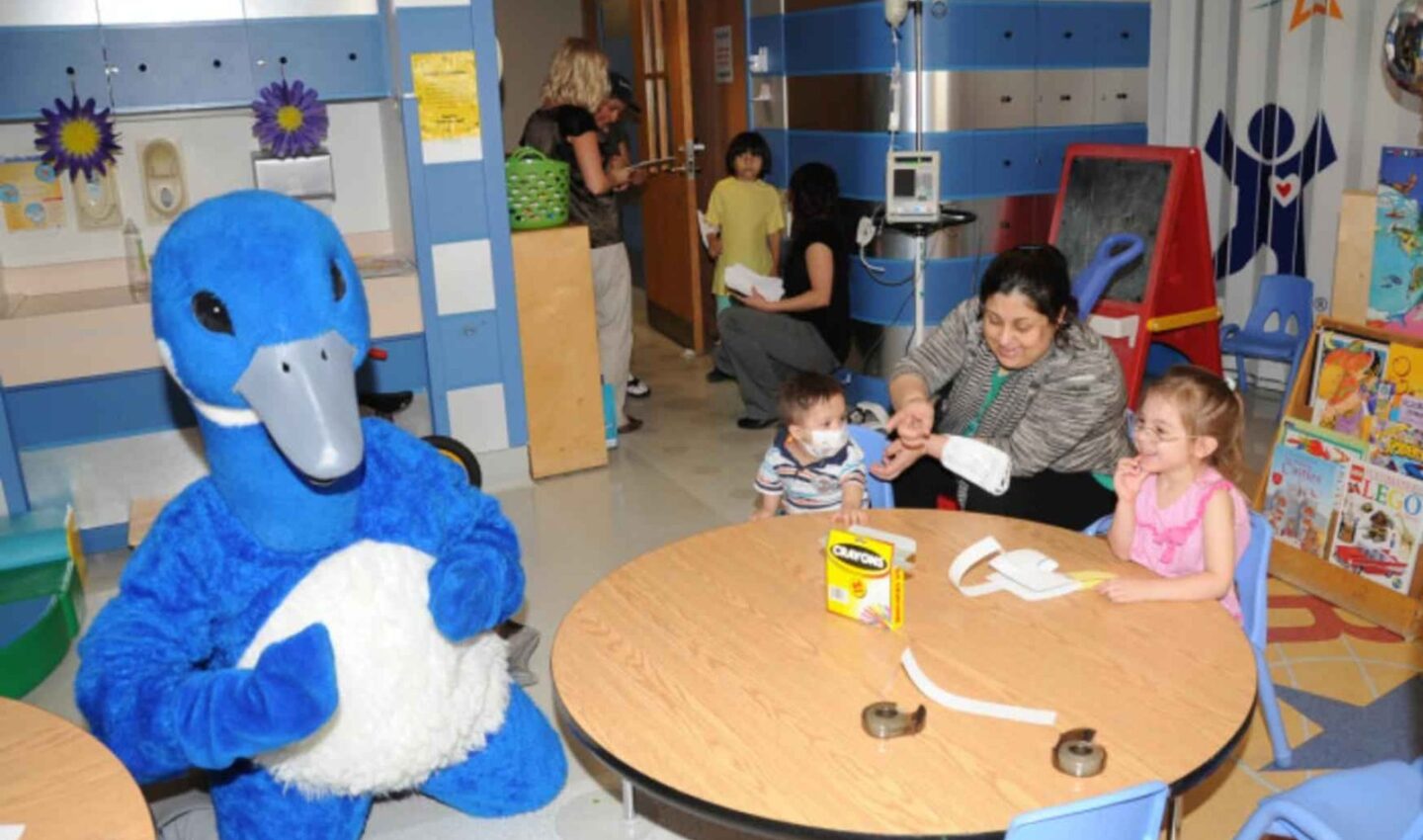
An EYFS nursery day is built around long stretches of play, both indoors and outdoors, with resources children can choose for themselves. This is not unstructured chaos: skilled practitioners design the environment deliberately — a writing corner with real purposes, a maths-rich construction area, invitations to investigate set out each morning — and then observe, join and extend children’s play with well-judged questions and challenges. Short adult-led sessions, such as a story, a phonics game or a cooking activity, punctuate the day in rising measure as children approach school age.
Parents sometimes worry that play-based means unambitious. In a strong EYFS setting the opposite holds: practitioners track each child’s progress against developmental expectations, plan next steps deliberately, and can explain exactly what a child is learning through the activity in front of you. On a tour, ask precisely that — “what is he learning from this?” — and judge the quality of the answer.
📸 Follow @dxbtalk1 on Instagram for daily Dubai in photos →
Observation, Assessment and the Key Person
Assessment in EYFS is mostly observation. Practitioners note what children do and say, photograph work and play, and build a picture of each child’s development shared with parents through apps, journals and meetings. Every child has a key person responsible for their care and for knowing them deeply, and settings carry out a progress check for children around the age of two, often shared with health professionals where relevant. Formal testing has no place here; the evidence base is the child themselves, watched carefully over time.
As children move towards school, settings complete an EYFS profile style summary of where each child stands, which helps the receiving school plan from day one. If your child will move to a British-curriculum school for FS2 or Reception, this continuity is a real practical advantage of an EYFS nursery.
The Dubai Adaptation
EYFS settings in Dubai work within local requirements as well as the framework itself. Arabic language exposure is built into many nurseries’ weeks, and the emirate’s cultural life — National Day celebrations, Ramadan observances, Emirati heritage activities — shapes the calendar in ways a nursery in England would not know. Climate shapes the day too, with outdoor play scheduled early and shaded or indoor physical play in the hottest months. Settings are regulated locally, so ask which authority licenses and inspects any nursery you visit and how it performed, rather than assuming the English framework alone guarantees quality.
Class organisation also reflects Dubai: many EYFS nurseries are more internationally mixed than anything in the UK, and practitioners are skilled at supporting children arriving with home languages from across the world — a genuine strength of the local interpretation.
Is EYFS Right for Your Child?
EYFS suits most young children, because its emphasis on language, play and emotional security matches how under-fives develop everywhere. It is a particularly natural fit if you expect your child to continue into a British-curriculum school, where FS2 and Year 1 teachers build directly on the same foundations, including phonics-based early reading. If you are comparing EYFS with Montessori or Reggio Emilia-inspired settings, the differences lie in adult direction and structure rather than quality: EYFS settings are typically a little more guided and progress-tracked.
As always, the framework is only as good as the people delivering it. Prioritise warm, stable, well-qualified staff and an environment where children are busy and happy, and the letters on the prospectus will take care of themselves. Confirm hours and fees directly with any nursery, since both vary and change — then choose the setting where you can most clearly picture your child thriving.





