

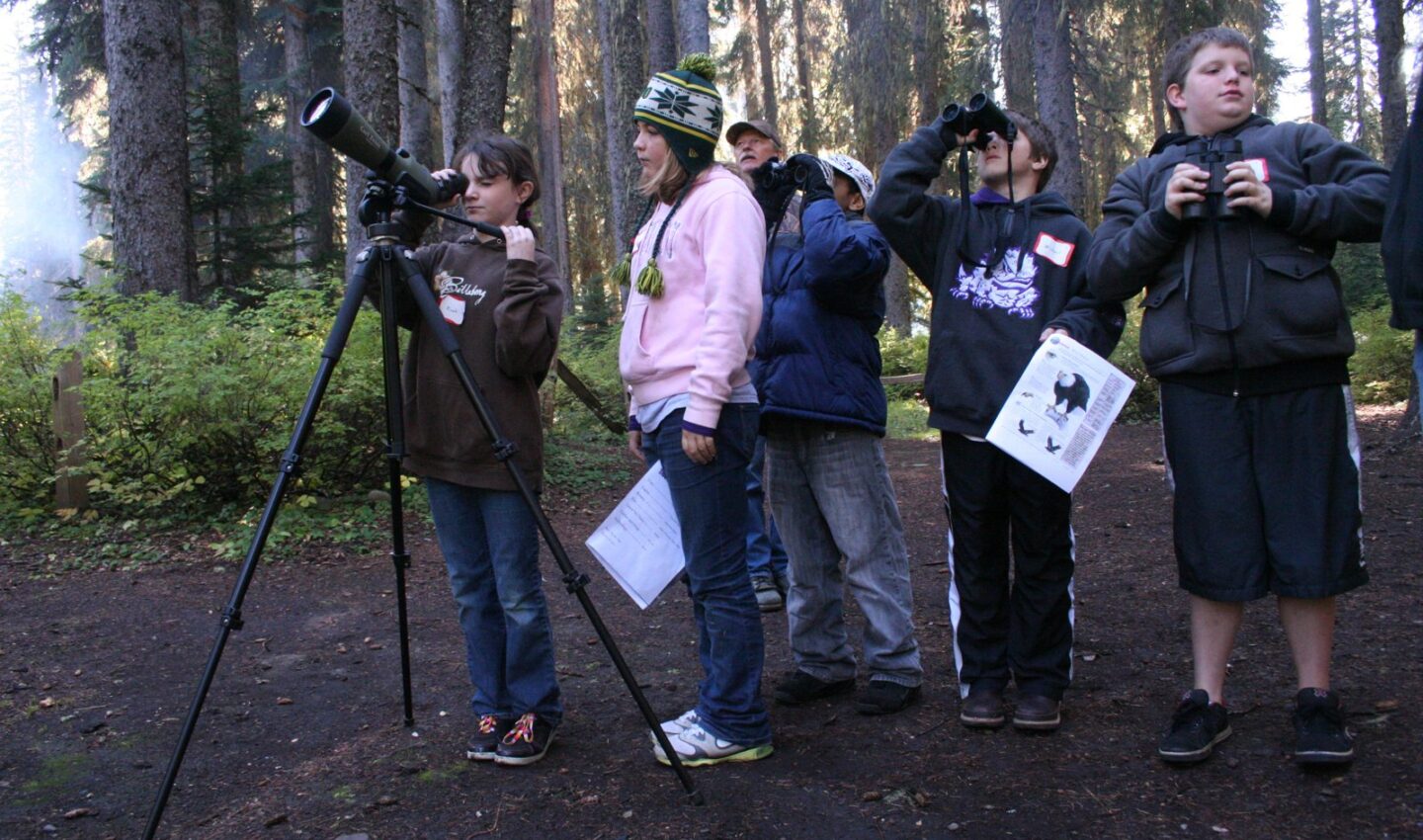
Forest school conjures images of Scandinavian woods and muddy wellingtons — not an obvious match for a desert city where summer temperatures soar. Yet outdoor learning has taken root in Dubai in an adapted, distinctly local form. Nurseries and schools across the emirate have built shaded gardens, planted groves, created small farms and eco spaces, and timetabled regular learning outdoors, especially in the kinder months between roughly October and April. For parents weighing up settings, understanding what outdoor learning here really involves helps separate a genuine philosophy from a photograph of a garden on a website.
What Forest School Means in a Desert Climate
True forest school practice is built on regular, long-term sessions in a natural environment, where children take supported risks, follow their curiosity and build confidence through play and practical skills. In Dubai, settings translate those principles to the landscape they have: acacia and ghaf trees instead of beech woods, sand, stone and water play, raised planting beds, shaded courtyards and canopies that make outdoor time possible for more of the year. The philosophy travels even if the woodland does not — child-led exploration, real tools and materials at higher ages with close supervision, dens and shelters, and adults who observe and extend rather than direct every minute.
Timing adapts too. Outdoor sessions cluster in the early morning and the cooler months, with indoor learning carrying the load through the hottest part of the year. Good settings are honest about this rhythm rather than pretending the climate away.
The Learning That Happens Outdoors
Outdoor learning is not the opposite of school learning; it is where much early learning happens most naturally. Children weighing, pouring and building in sand and water are doing early mathematics and science. Negotiating who gets the spade, narrating a game or inventing a story in a den builds language and social skills at a rate adults struggle to manufacture indoors. Physical development flourishes through climbing, balancing, digging and carrying — the gross motor foundations that later support concentration and handwriting.
In primary years, outdoor spaces become living classrooms: measuring shadows and rainfall, observing insects and birds, growing herbs and vegetables through a desert winter, and studying how traditional Emirati life used the ghaf tree, the falaj irrigation system and the sea. That local dimension is one of Dubai outdoor learning’s real strengths, rooting children in the environment they actually live in.
📸 Follow @dxbtalk1 on Instagram for daily Dubai in photos →
Gardens, Farms and Eco Spaces on Campus
Many settings have invested in purposeful outdoor environments rather than decorative landscaping. Vegetable gardens teach patience and seasonality — what grows here in winter, and why summer is for composting and planning. Small animal areas, where they exist, are kept under strict welfare and hygiene rules and give children responsibilities such as feeding and observation. Eco spaces might include recycling stations, composting, water-saving irrigation and shaded seating circles used for stories and reflection.
- Ask how often each class actually uses the outdoor spaces each week.
- Ask what shade, water and heat policies govern outdoor time.
- Ask who leads outdoor sessions and what training they have had.
- Ask how the garden or farm links to the curriculum, not just to photographs.
Heat, Safety and Sensible Risk
Parents’ first question is usually about heat, and settings should welcome it. Responsible nurseries and schools monitor temperatures, schedule outdoor sessions early, provide constant drinking water and shade, and move activities indoors when conditions require. Sun hats and sunscreen routines are standard practice. Air quality and dust are also watched, and outdoor sessions are curtailed on poor days — ask any prospective setting how it makes and communicates these decisions.
Sensible risk is the other conversation. Forest school philosophy deliberately allows managed challenge — climbing a low branch, using real tools with supervision at appropriate ages, balancing and building — because children learn judgement by experiencing graduated risk in safe company. Settings should be able to explain their risk assessments plainly. There is a wide gap between that thoughtful approach and either recklessness or wrapping children in cotton wool, and a good setting will talk you through exactly where it stands.
Choosing a Setting Where Outdoors Is Real
Visit in person, ideally when children are outside, and look at the condition of the spaces: a lived-in garden with worn paths, ongoing planting and children’s projects in progress tells a truer story than a pristine showpiece. Ask how outdoor learning continues in the hottest months — through shaded water play, indoor nature tables or early-morning sessions — and how it is included in fees, which vary and change annually, so confirm current fees with the setting.
For many Dubai families, a strong outdoor ethos is also a counterbalance to apartment living and screen-heavy weeks. A child who comes home muddy, tired and full of news about a sprouting bean or a discovered beetle has had a day rich in exactly the experiences childhood is for — and in this climate, a setting that sustains that through the year has usually thought hard about far more than its garden.





