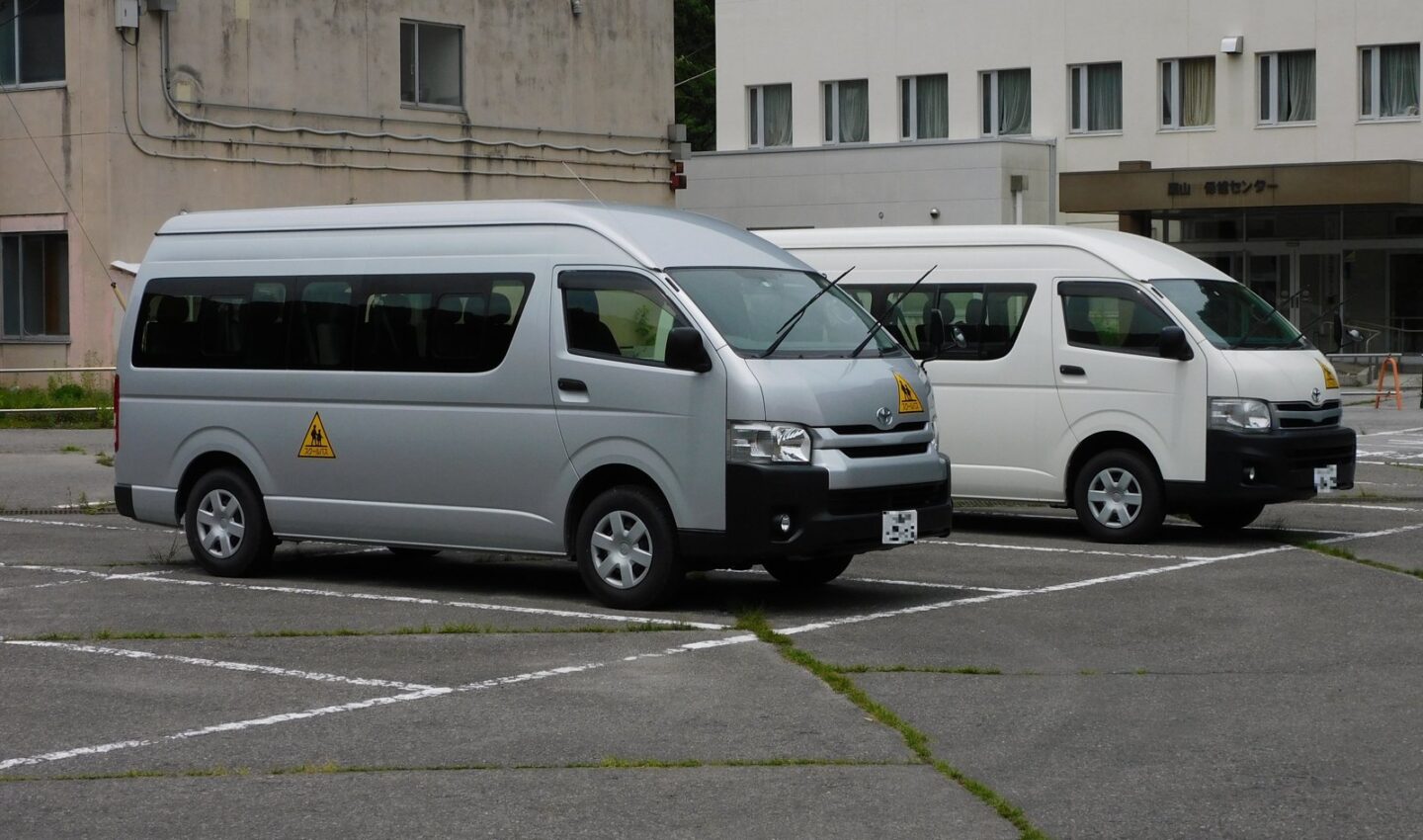
Every weekday morning, a fleet of yellow buses carries a large share of Dubai’s schoolchildren across the city, from high-rise districts and villa communities to schools sometimes many kilometres away. School transport here is a regulated, organised system rather than an informal arrangement: buses operate under standards set by Dubai’s Roads and Transport Authority (RTA), routes are planned by schools and their transport providers, and safety rules govern everything from seatbelts to who may supervise young children on board. For parents, the bus is also a budget line, a daily logistics commitment and, for younger children, an emotional milestone. This guide explains how school buses in Dubai typically work, how fees are structured, the safety rules families should know, and the practical questions to settle before your child steps aboard for the first time.
How School Transport Is Organised
Most Dubai schools either run their own transport operation or contract a specialist school transport company, of which the emirate has several large operators. Families register for transport separately from school admission, usually choosing between one-way and two-way service and giving their home location so routes can be planned. Routes are built around clusters of pupils in areas such as JLT, Dubai Marina, Arabian Ranches, Mirdif or Al Barsha, and each route has a published sequence of stops and approximate pickup times. Many operators now provide apps or tracking systems through which parents can follow the bus, receive arrival notifications and message the transport office.
Costs and How Fees Are Structured
Bus fees are charged separately from tuition and are typically billed termly. The amount usually depends on distance or zone — routes are often priced in bands, with shorter journeys costing less than long cross-city routes — and on whether the service is one-way or return. Fees for a typical route commonly run to a noticeable four-figure sum in dirhams per term, and long routes cost more; prices change and vary by operator, so confirm current fees with the school or provider when you register. Check the small print: refund policies if you withdraw mid-term, whether fees are payable even during holidays within term time (usually yes, as the service is booked by the term), sibling arrangements, and whether late buses for after-school activities are included or simply unavailable. For families comparing schools at different distances from home, transport cost is part of the true fee comparison — a cheaper school forty minutes away may not be cheaper once the bus is paid for.
📸 Follow @dxbtalk1 on Instagram for daily Dubai in photos →
Safety Rules: Buses, Nannies and Standards
School transport in Dubai operates under RTA standards covering vehicle specification, maintenance, driver licensing and training, and operational rules. Features parents will notice include:
- Seatbelts fitted and expected to be worn, with rules enforced by the bus supervisor
- A bus attendant — often called a bus nanny — on board, particularly where young children travel, who supervises boarding, the journey and handover at stops
- Strict handover rules for younger pupils, who are released only to an authorised adult at the stop; if nobody is there, the child is typically returned to school and the parent contacted
- Driver rules on working hours, conduct and communication, with no unauthorised changes to routes or stops
- Vehicle standards including air-conditioning, safety equipment and, on many fleets, CCTV and GPS tracking
Schools and operators run safety briefings for children at the start of the year, and parents reinforce the system best by being at the stop on time, every time, with identification where the operator requires it.
The Daily Experience for Children
For many Dubai children the bus is a social world of its own — friendships form across year groups, older pupils look out for younger ones, and the journey bookends the school day. Journey lengths vary enormously: a child in the same community as their school may ride for fifteen minutes, while cross-city routes can run far longer, and some children are first on in the morning, which can mean very early starts. Parents should weigh total journey time seriously when choosing a school; a tired six-year-old who has spent two hours a day on buses is paying for the school choice with their energy and family time. Most children adapt quickly and even guard their bus routines fiercely, but watch the first weeks: persistent distress, motion sickness or exhaustion are worth raising with the school and operator, who can sometimes adjust stops or seating.
Alternatives and Practical Tips
Not every family uses the bus. Alternatives include driving children yourself — factoring in school-zone congestion and parking rules — carpooling with nearby families, using school-arranged car services, and, for older students, the Metro and public buses where routes genuinely work. Whichever you choose, settle the details before term starts: register for transport early, confirm your stop and pickup window, save the transport office number, agree a backup plan for the day the bus or you are delayed, and teach your child what to do if they miss the bus or you are not at the stop. Transport questions belong on every admissions checklist, alongside fees and curriculum — because the journey, twice a day, every day, is part of the education your child experiences.