

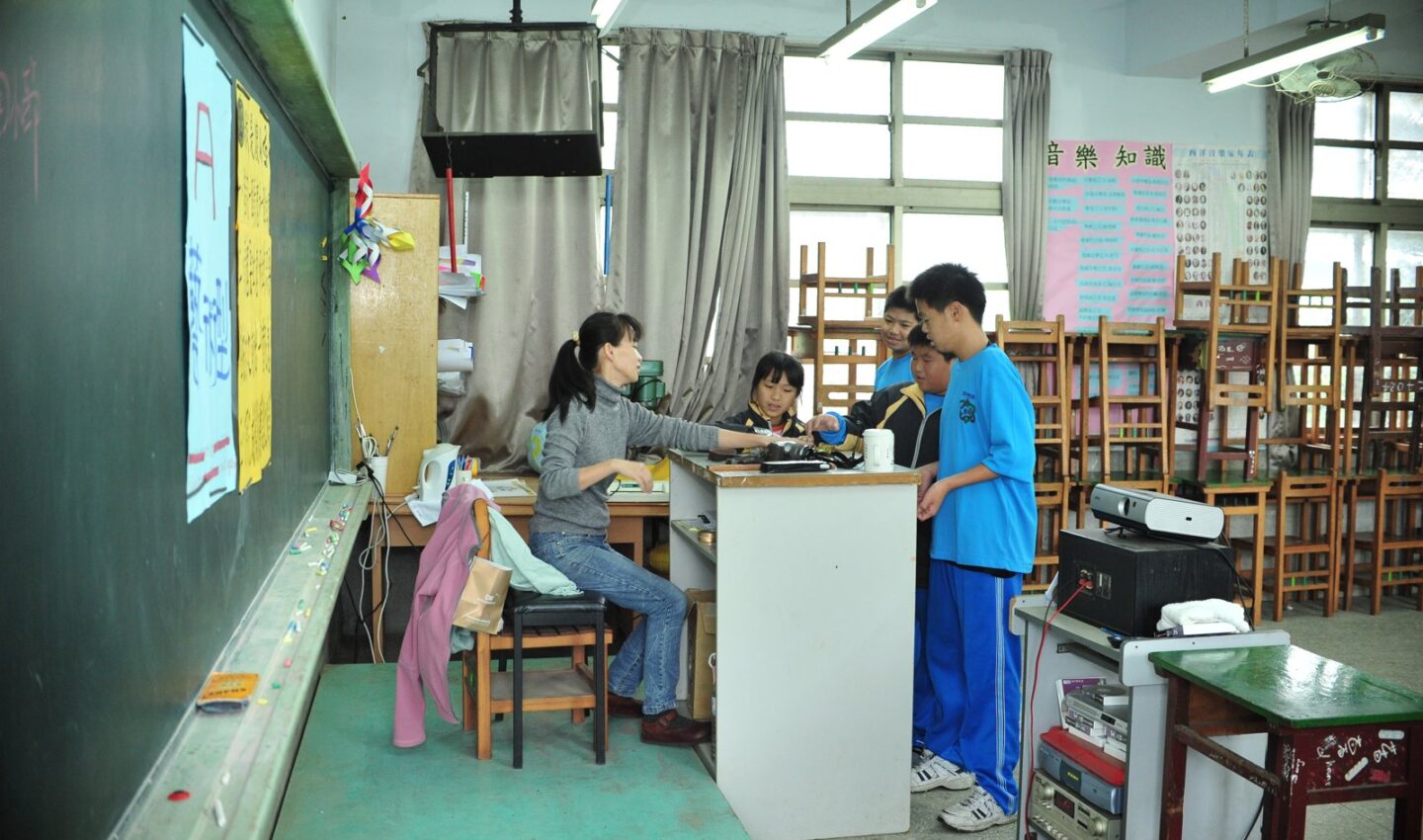
The Dubai school day starts early — earlier than many families expect — and its shape is unlike school days in London, Mumbai or New York. Lessons commonly begin before eight in the morning, the week runs differently since the UAE moved its weekend, Fridays have their own special pattern, and the summer heat quietly dictates when children can be outside. For parents planning work commutes, bus bookings and after-school life, understanding the typical structure of the day matters as much as any curriculum question. Timings differ between schools, and nurseries, primary and secondary phases often stagger their starts, so treat this guide as the general pattern rather than a timetable for any specific school: always confirm a school’s exact timings directly, because even a fifteen-minute difference changes a family’s morning logistics considerably.
Start and Finish Times: The Early Rhythm
Most Dubai schools start between roughly 7.30am and 8.15am, with secondary students usually earliest and nursery children latest. The early start is partly cultural, partly climatic — the day is arranged to use the cooler morning hours and to fit around working patterns — and partly a response to traffic: school buses begin their rounds very early indeed. Finish times are staggered by phase. Nursery and early years children typically finish around lunchtime or early afternoon, primary pupils in the early-to-mid afternoon, and secondary students somewhat later, especially on days with clubs or fixtures. Many schools offer supervised early drop-off for working parents and late-stay or aftercare arrangements for younger children, usually at extra cost.
The Working Week and the Friday Pattern
Since the UAE aligned its public-sector week with much of the world, the standard school week in Dubai runs Monday to Friday, with Saturday and Sunday as the weekend. Friday, however, retains a distinctive shape because of Friday prayers: schools typically finish early on Fridays, around midday or shortly after, so that students and staff can attend prayers and families can gather. This short Friday is a much-loved feature of Dubai family life — an early start to the weekend — but it also compresses Friday teaching, and schools arrange assessments, trips and events around it. Private schools follow the framework set for the emirate, with occasional variations for specific curricula or examination sessions, which schools communicate in advance. When you join a school, put its Friday finish time into your working week planning from the very first term; it affects pickups, domestic arrangements and Friday commitments more than almost any other timing.
📸 Follow @dxbtalk1 on Instagram for daily Dubai in photos →
Breaks, Lunch and the Heat
Within the day, most schools build in a short morning break and a lunch break, with younger children having additional snack times. Outdoor play is a seasonal pleasure: during the cooler months children spill onto fields and playgrounds, while in the hottest months — broadly late spring through early autumn — schools move breaks indoors, use shaded or indoor spaces, and monitor heat carefully, with outdoor PE rearranged to early mornings or indoor halls. Lunch arrangements vary between canteen service, packed lunches and, for older students at some schools, supervised options nearby. The school day is also punctuated by movement between specialist rooms, assemblies and, in the Muslim calendar, prayer times that schools accommodate within the timetable. Parents of young children should ask how break times are supervised and how the school handles the indoor-break months, since restless weeks indoors are a real feature of the Dubai school year.
After-School Clubs, Fixtures and the Extended Day
For many children the formal day is only the middle of their school experience. Extra-curricular activities typically run for an hour or so after lessons, usually on set days, spanning sport, music, coding, languages and everything between. School sports fixtures often take place later in the afternoon or early evening, particularly away matches across the city, and older students may train before school as well as after it. This creates a second transport question: many schools run late buses for activity days, while others expect parents to collect. Homework, dinner and bedtime must be fitted around club days with some realism — an activity timetable that leaves a ten-year-old eating at nine o’clock every night will not survive the term. When you compare schools, compare the whole day, including when your child would realistically walk back through your front door.
Planning Family Life Around the School Day
A few practical habits help families settle into the rhythm:
- Work backwards from the bus pickup or school start to set wake-up times, and protect children’s sleep fiercely — early starts demand early bedtimes
- Build the Friday early finish into work and family routines rather than treating it as a weekly surprise
- Check term dates and timings on the school’s official calendar, and confirm any variations for examination periods or Ramadan directly with the school
- For children at different schools, map start and finish times before committing to a second school place
The early, structured Dubai school day suits many families well once the rhythm is established: afternoons hold time for activities, homework and family life, and the weekend begins at Friday lunchtime. The families who struggle are usually those who never quite adjusted sleep and logistics to the early start — a fixable problem, and one worth solving in the very first weeks.





