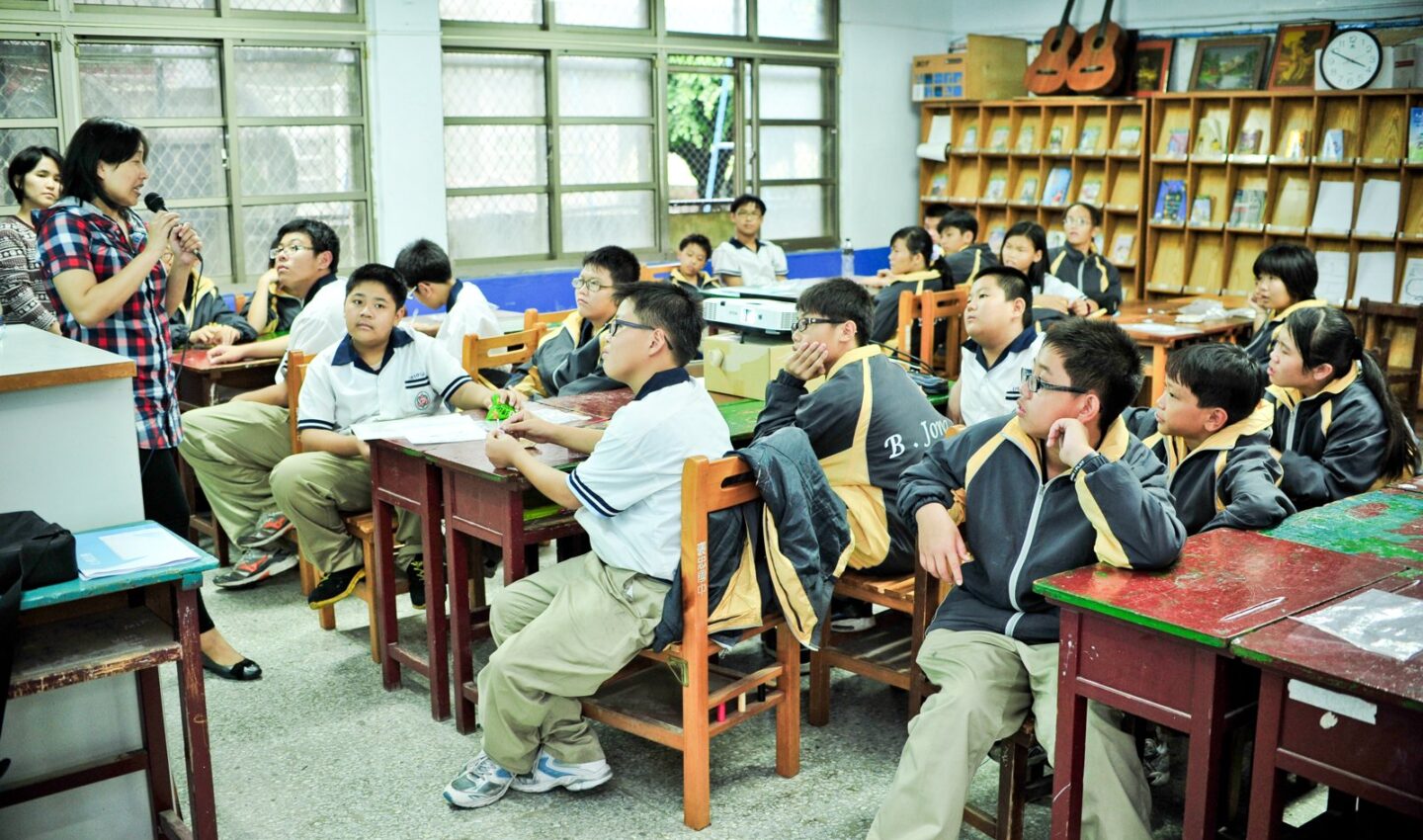
Sport is woven into the rhythm of school life in Dubai in a way that surprises many new families. From early-morning swimming training before lessons to floodlit fixtures after school, and from inter-house sports days to inter-school leagues that run across the whole city, there is a sporting calendar that carries children from their first gala at five to competitive senior squads in their teens. The climate shapes everything: outdoor sport concentrates in the cooler months, indoor facilities and early starts make the rest possible, and hydration and heat policies are taken seriously. For parents choosing a school, sporting provision is worth examining properly — not only for talented athletes, but because regular competitive and recreational sport is one of the main ways children make friends, build resilience and belong. This guide explains how school sport in Dubai is typically organised.
DASSA and the Inter-School League Structure
Much of Dubai’s inter-school sport is coordinated through DASSA, the Dubai Affiliated School Sport Association, which organises leagues and competitions across a wide range of sports and age groups. Schools compete in divisions broadly matched by size and strength, so fixtures range from fiercely contested top-division football and netball to developmental leagues where the emphasis is on participation. The calendar typically includes football, netball, basketball, swimming, athletics, cross-country, cricket, rugby and rounders or softball variants, with aquathlon, golf and other sports at some levels. League seasons are arranged around the weather and the school terms, with outdoor sports weighted towards the cooler months between roughly October and April. Parents quickly learn the logistics: fixture lists published termly, away matches across the city, and the need for a reliable plan for getting a child home after an evening away game in another neighbourhood.
Houses, Sports Days and Sport for Everyone
Inside each school, the house system provides the second layer of competition. Most Dubai schools divide pupils into houses — often with colours, names and year-round points competitions — and inter-house events in football, swimming, athletics and cross-country give far more children a competitive experience than the school squads alone could. Sports days are major fixtures in the school calendar, particularly in primary, staged early in the day or in the cooler months, with parents spectating and events designed so every child takes part. This breadth matters. A healthy school sporting culture measures itself not only by trophies but by participation rates: how many children play something, swim confidently, and still enjoy sport at fifteen. When visiting a school, ask what proportion of pupils represent the school in a year, and what is on offer for the enthusiastic but not elite — B and C teams, recreational clubs and lunchtime leagues are the signs of a genuinely inclusive programme.
📸 Follow @dxbtalk1 on Instagram for daily Dubai in photos →
Swimming: A Core Dubai Skill
Swimming deserves its own mention because in Dubai it is treated as a core life skill, not an optional extra. Most schools have their own pools, and swimming usually forms part of the PE curriculum from the early years onwards, with water-confidence and safety at the centre for younger children. Competitive swimming develops through school squads and inter-school galas, typically held in short-course pools with events by age group, and many swimmers also train with private clubs in the city to add sessions. Given that most Dubai families live near beaches and many homes and communities have pools, a school that teaches every child to swim well is providing something with real safety value. Ask how non-swimmers are supported, whether lessons continue into secondary, and how squad selection works if your child is a keen swimmer.
Elite Pathways and Balancing Sport With Study
For genuinely talented young athletes, Dubai schools increasingly offer structured support: flexible timetabling around training and competitions, strength and conditioning guidance, links with the city’s professional academies and clubs, and in some cases sports scholarships. Elite pathways exist across football, swimming, golf, tennis, cricket and athletics, and a small number of students each year balance school with national-level commitments. The balance is the hard part. Training before school, fixtures after it and weekend competitions can collide with homework and sleep, especially in examination years. Good schools manage this actively — monitoring workload, communicating between coaches and teachers, and helping students prioritise at pinch points. Parents have a role too: watching for tiredness, protecting rest days, and remembering that even the most promising fourteen-year-old athlete’s most likely career still runs through their qualifications.
What to Ask When Choosing a School
If sport matters to your family, useful questions include which sports the school fields teams in at your child’s age, how trials and selection are run, whether kit and transport to fixtures are provided or charged, and what facilities are available indoors during the hottest months. Ask, too, about PE staffing — specialist PE teachers from an early age are a marker of serious provision — and check the latest KHDA inspection report, which comments on students’ health, well-being and extra-curricular life. Finally, stand at the side of a fixture if you can. The way a school’s coaches, players and parents behave on a touchline in Deira or Dubai Sports City on a weekday evening tells you as much about its sporting culture as any prospectus photograph.