

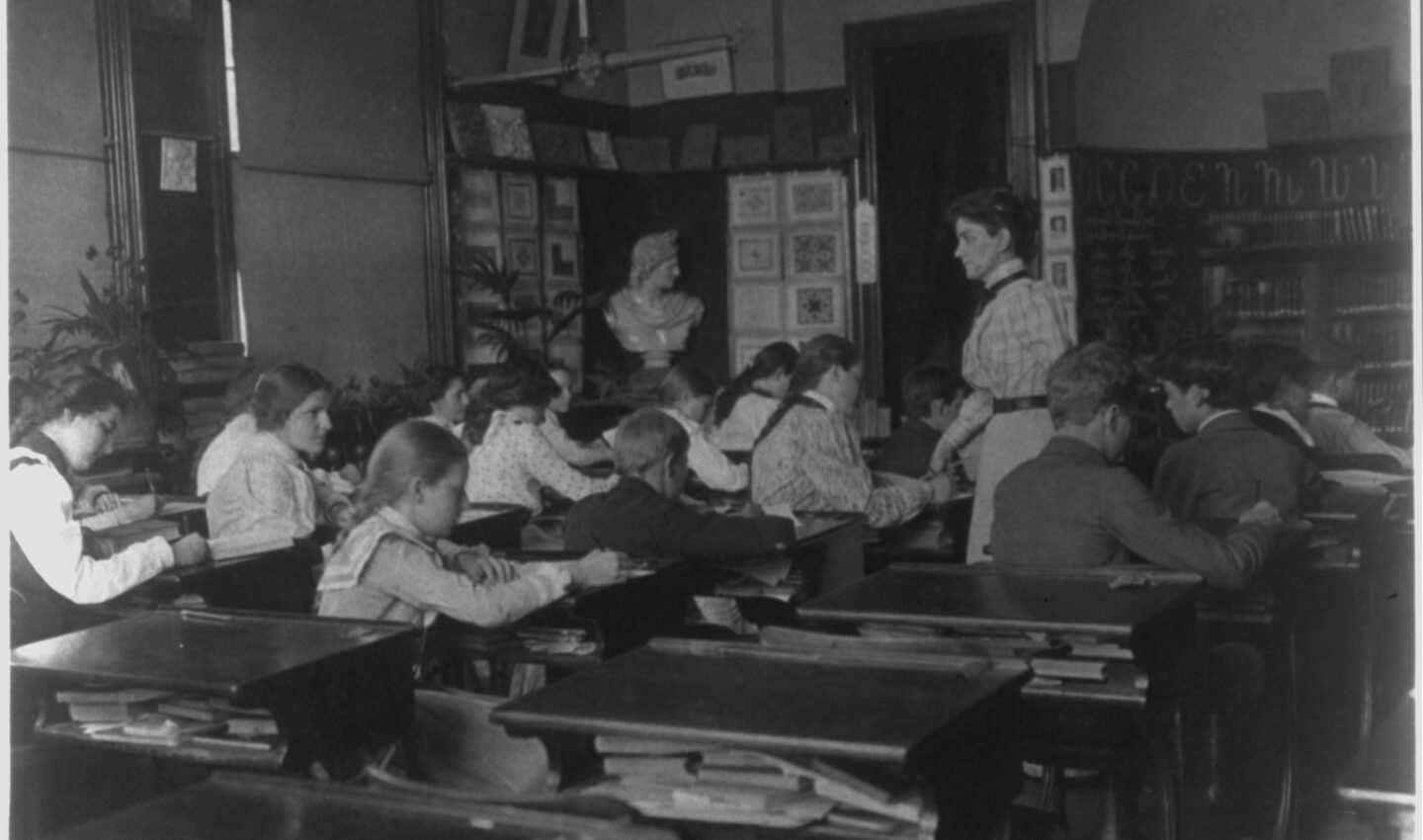
Before the Marina, before the Palm, there was old Dubai — the districts around the Creek where the city first grew. Deira and Bur Dubai remain home to some of the emirate’s longest-standing schools, institutions founded when Dubai’s expatriate communities were young, which have educated generations of Indian, Pakistani, Filipino, Arab and other families. These schools rarely feature in glossy relocation guides, yet for value, community roots and Indian and Pakistani curriculum strength, they are hard to beat. This guide explores schooling in old Dubai: what the historic schools offer, where their strengths lie, and what families should check as carefully here as anywhere else.
A Short History Written in Schools
Old Dubai’s schools grew with its trading communities. Indian curriculum schools were established in areas such as Oud Metha, Karama, Hor Al Anz and Al Qusais from the 1960s onwards, as the Indian community became central to the city’s commerce. Pakistani and Filipino schools followed their communities, and Arab private schools have served families around the Creek for just as long. Several of these institutions count their histories in decades and their alumni in tens of thousands; former students now lead companies, hospitals and government departments across the Gulf and South Asia. That longevity produces distinctive strengths — institutional memory, stable leadership cultures, fierce alumni loyalty — and occasionally older physical plants that need a visitor’s fair eye: judge the teaching and the outcomes, not the shine of the reception area.
Indian and Pakistani Curriculum Strength
This is the heartland of subcontinental curricula in Dubai. CBSE schools are numerous and varied in old Dubai, from large historic campuses to smaller community schools, and ICSE provision in the city has historically been centred on this side of the Creek as well. Pakistani FBISE-affiliated schools serve Deira, Bur Dubai and Al Qusais families, and Filipino schools are concentrated in the same districts — meaning a family can often find its home curriculum within a short bus ride. Fees across old Dubai are among the most manageable in the emirate: many Indian curriculum schools charge in the region of AED 5,000 to AED 18,000 a year, and Pakistani and Filipino schools are often at similar or lower levels. Fees change every year, so confirm current fees with each school, and remember that April-start calendars apply to most Indian curriculum schools here.
📸 Follow @dxbtalk1 on Instagram for daily Dubai in photos →
What Longevity Does and Does Not Guarantee
Age cuts both ways, so inspect the present, not the past. The strongest old Dubai schools combine experienced teachers, disciplined academic cultures and results in board examinations that stand comparison with far more expensive institutions. Others may have grown complacent, with large classes, dated laboratories or teaching styles heavy on rote learning — the variation is real. The tool that cuts through reputation is the same as everywhere: check the latest KHDA inspection report for each school and read what inspectors found in teaching, progress and leadership, not just the overall grade. On a visit, look for active science and computer facilities, a working library culture, students who speak confidently, and evidence that the school invests in teacher development. Ask about class sizes in board years and about support for competitive entrance examinations if that is your family’s path.
Daily Life and Logistics in Old Dubai
Schooling here fits the districts’ rhythm. Bus networks are extensive and affordable, the Metro serves much of Bur Dubai and Deira for older students, and many children live within a short distance of their school — a genuine childhood advantage. Traffic around the Creek crossings and in Deira’s denser streets is the main friction, and schools’ start times reflect it. Housing costs in old Dubai are generally lower than in the new villa districts, so the total family equation — rent plus fees plus transport — often looks very different from the headline fee comparisons. Families employed around the Creek, the airport, Healthcare City or the old trading districts find the geography natural. The communities are also rich in tuition centres, places of worship, and the food and cultural life of home, which helps children feel rooted rather than transplanted.
Choosing an Old Dubai School
Shortlist within your curriculum, then visit with specific questions. How does the school stretch its strongest students and support those who struggle? What is teacher turnover like, honestly? How are Arabic and the KHDA’s requirements handled alongside board pressures? Talk to parents in the neighbourhood — old Dubai families discuss schools with detailed, multi-generational knowledge and will tell you which historic name is coasting and which is quietly excellent. Weigh the whole picture: a long-standing school near home, at fees your family can sustain without strain, with a community your child belongs to, is a serious proposition. Dubai’s newest districts offer newer buildings; old Dubai offers something different and, for many families, something better — schools that were part of the city before the city was famous.





