Dubai built the biggest malls on earth, yet its oldest markets are still packed. The Gold Souk glitters, the spice lanes smell of saffron and dried lime, and traders in Deira do a brisk business a short abra ride from air-conditioned marble palaces. Souks and malls are not rivals in this city — they are two different games, and Dubai plays both better than anywhere else.
Two Different Games
A mall sells certainty: fixed prices, card payments, returns desks, climate control and a cinema if the shopping goes badly. A souk sells character and craft: goods weighed, poured, unrolled and haggled over, in lanes that have traded the same way for generations. The products overlap less than you would think. Malls dominate fashion brands, electronics flagships and entertainment; souks dominate gold, spices, textiles, perfumes and traditional goods — categories where the merchandise itself rewards handling, comparing and conversation.
Knowing which game you are playing is the first skill of Dubai shopping. Wearing trainers to compare twelve gold shops in an hour is wisdom; expecting a returns desk in a spice lane is not.
Where the Souks Win
- Gold and jewellery. The Gold Souk in Deira holds hundreds of shops where gold is priced transparently by the day’s rate for the weight, plus a making charge that varies with the workmanship — so the haggle is honest, focused on the craftsmanship margin rather than the metal. Regulation and reputation keep the trade straight, and the range, from wedding sets to investment-style pieces, has no mall equivalent at the price.
- Spices, dates and foodstuffs. The Spice Souk and the Deira markets sell by weight from open sacks — saffron by the gram, dried limes, nuts and dates of a quality and variety supermarkets rarely match.
- Textiles and tailoring. The Bur Dubai Textile Souk and the Meena Bazaar lanes sell fabric by the metre, with tailors nearby to make it up — a whole garment economy the malls only imitate.
- Perfume. Oud, attars and blended Arabic perfumes are blended and explained by specialists in the Perfume Souk area.
📸 Follow @dxbtalk1 on Instagram for daily Dubai in photos →
Where the Malls Win
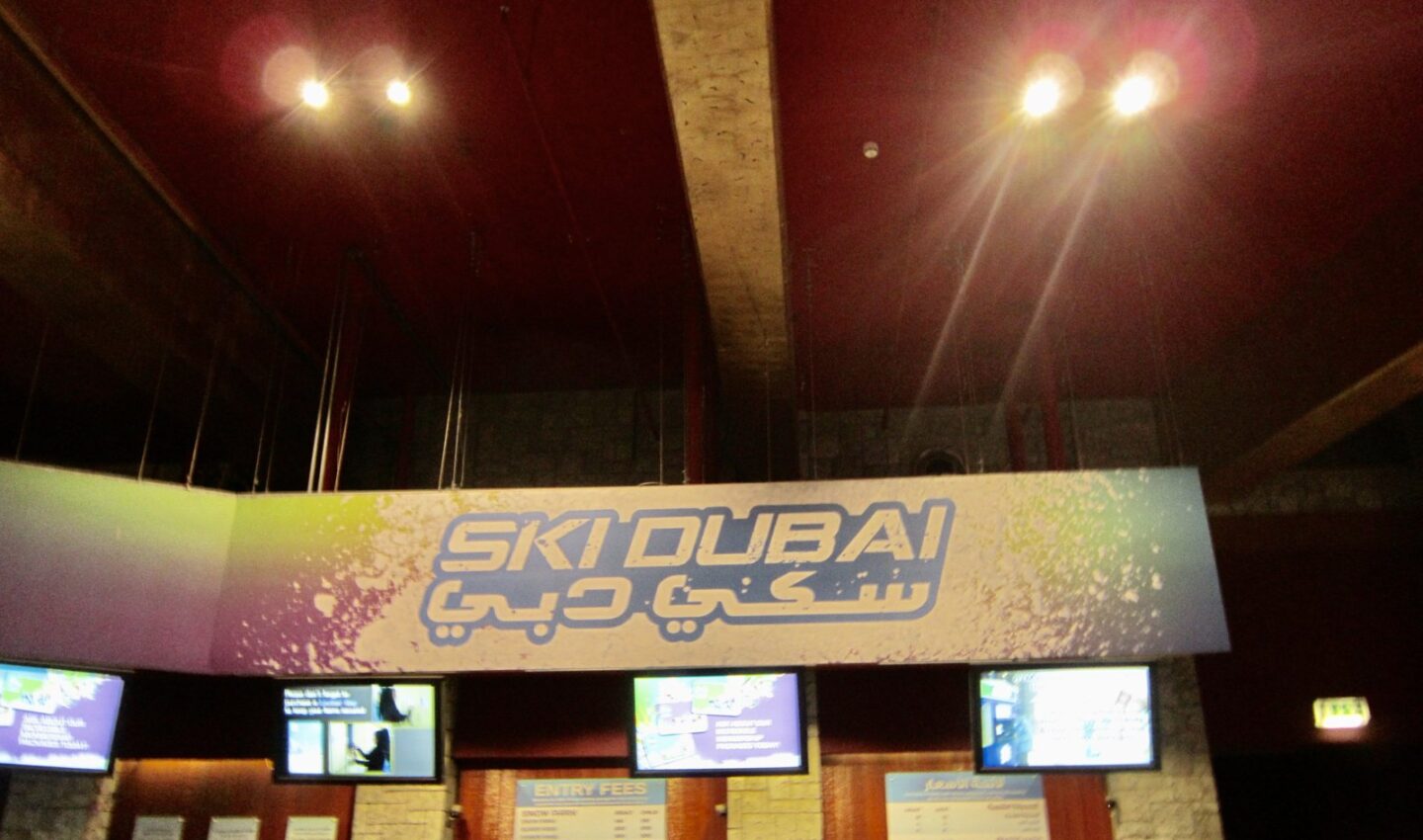
For international fashion, the malls’ flagship floors are unbeatable, and the sale seasons — above all the Dubai Shopping Festival in winter, with summer sales following — bring structured discounts, raffles and entertainment that souks never attempt. Electronics bought from authorised mall retailers come with straightforward warranties, which is worth real money. And there is the climate argument: for half the year, the souks are a morning-and-evening pleasure while the malls run all day. Add cinemas, ice rinks, ski slopes and food courts, and the mall becomes the family’s summer living room.
The Culture of the Deal
Bargaining is the souks’ famous ritual, and it is widely misunderstood. In traditional markets and independent shops, polite negotiation is expected — ask, smile, counter once or twice, and accept the final number gracefully; the making charge on gold, the per-metre price of special fabric and the bundle price on spices all have some room in them. What bargaining is not is a battle: traders price for it, and the game is friendly. In malls, prices are fixed — but the malls have their own version of the deal: seasonal sales, loyalty points, card offers and tax-free processing for visitors. Each world has a discount culture; they just wear different clothes.
How Locals Combine Both
The resident pattern is simple: malls for the weekly and the branded, souks for the special and the traditional. A wedding sends a family to the Gold Souk for the set and the Textile Souk for the fabric, then to a mall for shoes and the reception outfit. Ramadan shopping mixes Coop and Carrefour trolley runs with Deira dates and spices. Tourists can copy the pattern in a single day — souks in the morning by abra, a giant mall for the hot hours, as our mall-hopping itinerary shows.
A third player now hovers over both worlds: the phone. Souk traders take orders by message and deliver across the city; malls run apps, click-and-collect and same-day delivery. Yet neither has been hollowed out, because both sell something a parcel cannot — the souk sells the theatre of the deal, the mall sells the day out. Dubai’s shoppers, characteristically, refuse to choose.
The souks survived the malls by never trying to be them. Long may both flourish.