

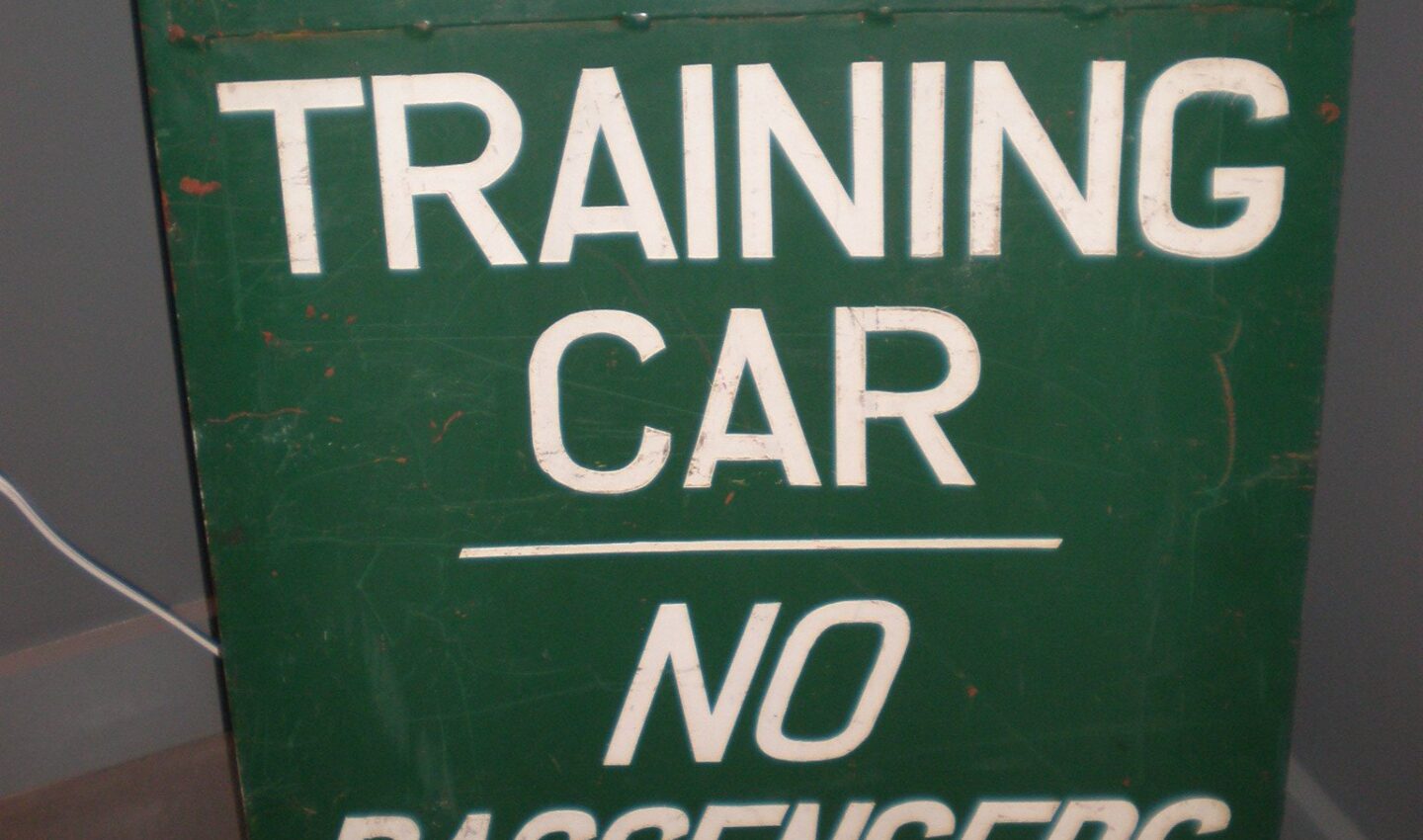
Every Dubai learner knows the frustration: two lessons a week, then days of waiting while the skills quietly fade. The obvious fix — borrowing a car and practising — is not available to you. Driving on public roads without a licence or learning permit is illegal in the UAE, training must happen through a licensed driving school, and even an empty-looking public car park does not make it legal. But here is the part keen learners discover: the wheel is only one place where driving skill grows. Used well, the days between lessons can be worth as much as the lessons themselves.
Treat theory study as practical training
The theory test is not a separate hoop; it is the rulebook for everything your hands will do later. Between lessons, work through the RTA handbook topics in small daily doses — signs, right of way, safe distances, hazard rules — and take timed mock tests rather than casually browsing questions. When a rule confuses you, write it down and ask your instructor to show it to you live in the next lesson. Learners who arrive able to say “show me how a zip merge works here” extract far more from every paid hour than those who simply turn up.
Become a professional passenger
You spend hours every week in cars, taxis and buses in this city. Turn that dead time into observation training:
- Commentary riding: sit in the front passenger seat with a willing, licensed driver and quietly narrate what you would do — “mirror, signal, that gap is too small, pedestrian near the kerb”. This builds the exact scanning habit examiners reward.
- Sign spotting: on a familiar route, call out every sign and marking and its meaning before you pass it.
- Junction analysis: watch how experienced drivers position for U-turns, roundabouts and box junctions on your own neighbourhood routes.
- Ride your test area: take a taxi or ride with a friend around the roads near your test centre in Al Qusais, Al Quoz or wherever your school tests. Learn where queues form, which exits are tricky and how the traffic lights sequence — legally, from the passenger seat.
📸 Follow @dxbtalk1 on Instagram for daily Dubai in photos →
Use simulators where your school offers them
Several Dubai institutes have driving simulators, and they are better than their reputation. A simulator lets you repeat one weak scenario — merging onto a fast road, reacting to a sudden lane-changer — ten times in fifteen minutes, with zero risk and no queue. It cannot teach pedal feel, and it is no substitute for real lessons, but for hazard reaction and decision-making it is genuine practice that counts as official training time at your school. Ask what your institute offers and book a session aimed at your weakest area.
Rehearse the yard test in your head
The parking and yard manoeuvres are sequences, and sequences can be memorised away from the car. Walk through each one mentally, step by step: where you stop, which reference point you watch, when you turn, how you correct. Some learners sketch the manoeuvre on paper or mime the steering at a table — it looks silly and works surprisingly well. Arriving at a lesson with the sequence already in your head means the hour goes on polishing, not on remembering what comes next.
Keep a learner’s notebook
After every lesson, spend three minutes writing down: what went well, the specific faults your instructor flagged, and the one thing you will fix next time. Patterns appear fast — the same missed shoulder check, the same rushed roundabout — and a written pattern is one you can attack deliberately. Bring the notebook to lessons and show it to your instructor; it signals seriousness and helps them target your time.
What never to do
Do not drive a family car “just around the block”, do not accept offers of informal lessons from unlicensed private instructors, and do not practise in public car parks or service roads. None of it counts towards your licence, the insurance and legal risks are real, and one incident can damage the official learning file you have paid to build. Patience inside the rules is genuinely faster than a shortcut that resets your progress.
The learners who pass are the ones who practise everywhere
Your licence is built in lessons, but it is sharpened everywhere else: in taxis, in mock tests, in a notebook, in your head at a red light. Treat the whole city as your classroom — from the passenger seat — and you will find that each proper lesson starts where the last one ended, instead of two steps behind it.





