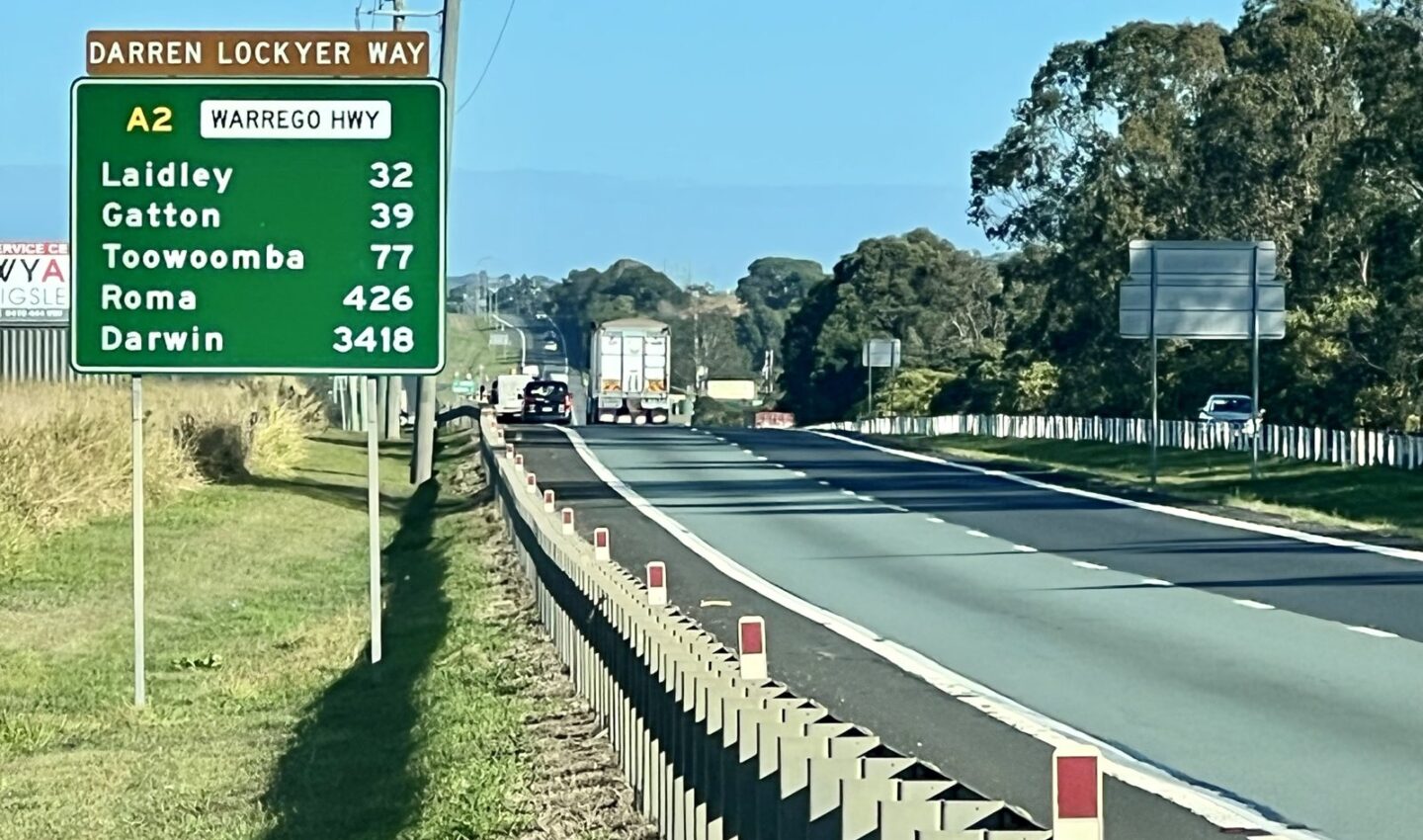
There comes a point in every Dubai learner’s journey when the quiet training roads and the school yard are no longer enough. Dubai is a city built around fast, wide highways — Sheikh Zayed Road, Al Khail Road, Emirates Road — and a driver who cannot handle motorway speeds confidently is not really ready to drive here. That is what highway training is for. These sessions, taken with your instructor in the later part of your practical course, move you from controlled streets to real highway driving at real speeds, so that by the time your final RTA road test arrives, speed itself no longer frightens you.
Why highway training matters so much in Dubai
In many cities, a new driver can avoid motorways for months. In Dubai, that is almost impossible. The highway is how the city moves: commuting to work, crossing town, reaching the airport. Highway driving is also a completely different skill from neighbourhood driving. Decisions happen faster, gaps close sooner, and a small hesitation at 100 km/h carries more consequence than the same hesitation at 40 km/h. Your school knows this, which is why highway sessions sit near the end of your training — they assume your steering, braking and observation basics are already solid, and they build speed skills on top of them.
When highway sessions happen in your course
The exact order varies a little between schools, but the pattern is similar across Dubai. You start with vehicle familiarisation and yard practice, move into light and then heavier traffic on ordinary roads, pass your internal assessments and parking tests, and only then progress to highway training. Your instructor will usually suggest the first highway session once your lane control and roundabout work are reliable. Sessions often run on the less congested stretches first — parts of Emirates Road or Al Khail Road outside peak hours — before you experience busier interchanges.
📸 Follow @dxbtalk1 on Instagram for daily Dubai in photos →
Merging: the skill everyone worries about
Merging is the heart of highway training. The golden rules your instructor will drum into you are:
- Use the whole acceleration lane. Its job is to let you reach highway speed before you join, not to slow down and wait.
- Match the speed of traffic. Joining at 60 km/h in front of vehicles travelling at 100 km/h forces everyone to brake.
- Mirror, signal, shoulder check — in that order, every time. At speed, your blind spot is where accidents come from.
- Pick your gap early and commit. Hesitating halfway into a merge is more dangerous than joining decisively or waiting for the next gap.
Most learners are surprised how quickly merging becomes routine. After a few sessions, the rhythm of accelerating, checking and slotting in feels natural rather than frightening.
Lane discipline at speed
Highways punish sloppy lane habits. In training you will practise holding a steady line in your lane without drifting, keeping to the slower lanes unless you are overtaking, and treating the left lane with respect — in Dubai it is a lane other drivers expect to move fast, and lingering there causes tailgating and dangerous undertakes. You will also learn planned lane changes: one lane at a time, with a fresh mirror-signal-shoulder check for each, rather than sweeping across three lanes towards an exit. Instructors watch your hands and your eyes as much as the car; smooth, early, signalled movements are what they want to see.
Safe gaps, speed awareness and cameras
At highway speed, the gap in front of you is your safety margin. You will practise keeping a comfortable distance that grows with speed and weather — Dubai’s occasional fog and rare rain make surfaces unpredictable, and your instructor will talk through how to adjust. Speed awareness matters too: limits change along a single journey, dropping near interchanges and built-up areas, and Dubai’s cameras are unforgiving. Part of highway training is simply learning to notice every limit sign and build a steady, legal pace without constantly staring at the speedometer.
Exiting and handling interchanges
Leaving a highway cleanly is a skill in itself. You will practise reading the big overhead signs early, moving across lanes in stages well before your exit, and slowing down on the exit ramp rather than on the highway itself. Your instructor will also teach the most valuable lesson of all: if you miss your exit, let it go. A calm drive to the next interchange costs two minutes; a desperate last-second swerve can cost far more. Dubai’s stacked interchanges, especially around Sheikh Zayed Road, reward drivers who plan one exit ahead.
How highway training prepares you for the road test
The final RTA road test itself is mostly driven on ordinary urban roads, not motorways — but everything highway training teaches transfers directly. Merging discipline becomes confident lane changing. Lane discipline becomes clean positioning at junctions. Speed awareness becomes the settled, legal pace examiners love to see. Learners who have genuinely absorbed their highway sessions arrive at the test with a calmness that stands out. So treat these sessions as more than a curriculum box to tick: they are where you stop driving like a learner and start driving like a Dubai driver.