

Dubai’s food markets are a window into the city’s diversity. Stalls and shopfronts bring together flavours from across the Middle East, South Asia and far beyond, and a single visit can take you from fresh produce and spices to street snacks and sweet treats. But “food market” in Dubai means several different institutions, and knowing which kind you are walking into — the wholesale-scale produce hall, the souk quarter, the community farmers’ market — is the difference between a good morning and a confusing one.
The Big Produce and Fish Markets
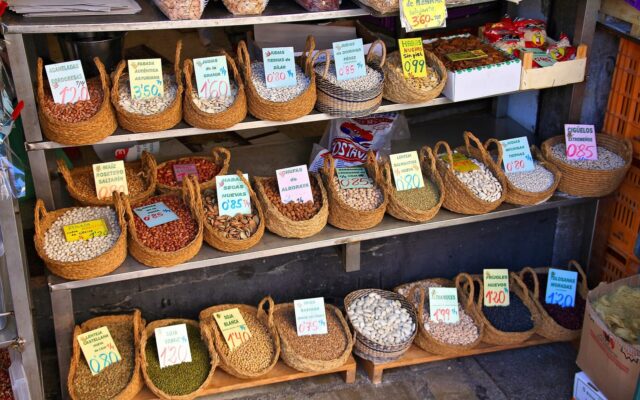
At the top of the scale sit the city’s great fresh markets, of which the Waterfront Market in Deira is the modern flagship: a vast, clean, air-conditioned hall complex on the Corniche where the old Deira fish market’s trade now lives, with sections for fish and seafood, meat, fruit and vegetables, and dry goods and spices. This is where restaurant buyers shop at dawn and families shop on weekends — fishmongers who will clean and portion your purchase, produce stacked by origin, dates and nuts and spices in bulk sacks nearby. Neighbourhood fresh markets in the older districts run the same system at smaller scale. What you will find everywhere: seasonal produce, often fresher and better value than imported alternatives, and spice stalls happy to sell small quantities so you can try before committing to larger amounts. Go early for the best of the fish and the calmest aisles.
Souks, Street Quarters and Community Markets
The second kind of food market is woven into the old trading quarters: the spice and food shops of Deira’s souks, the cafeteria streets of Satwa and Karama, the bakery rows where flatbreads come out of the oven in waves. Here shopping and eating on the spot are the same activity — you buy the dates, then eat the shawarma, then carry home the bread. The third kind is the community market: seasonal farmers’-market gatherings, of which the Ripe Market is the best-known name, where organic farms, bakers, jam-makers and food trucks set up in a park for the cooler months. Each kind serves a different purpose — provisioning, grazing, and the weekly ritual respectively — and a resident’s calendar eventually includes all three. Ready-to-eat snacks are the traveller’s friend in every format: a good way to sample a cuisine without ordering a full meal.
📸 Follow @dxbtalk1 on Instagram for daily Dubai in photos →
How to Explore Like a Local
The best approach is to wander first and buy second. Walk the whole market before spending anything, so you can compare stalls, spot what looks freshest and see where local shoppers are queuing — a queue is usually the truest review in the building. Take your time, ask vendors questions, and taste samples where they are offered. Practical habits help: bring cash as well as a card, since some smaller stalls may not accept cards; carry a reusable bag for purchases; and go earlier in the day for the freshest produce and a calmer atmosphere. In the big halls, watch how the regulars buy — whole fish, weighed and cleaned; vegetables by the box when the price is right; spices scooped, sniffed, argued over gently. Markets here are social institutions as much as shops, and the vendors respond to curiosity with education: ask what a thing is and how it is cooked, and you will usually leave with both the ingredient and the recipe.
Eating Well and Eating Safely
Food markets are best enjoyed at a relaxed pace. Share dishes if you are in a group so you can try more variety, and pace yourself rather than filling up at the first stall. If you have allergies or dietary requirements, ask about ingredients before ordering, and carry the name of any allergen in writing if language might be a barrier. Hygiene matters too: choose stalls where food is kept covered, hot food is served hot and preparation areas look clean. Drink bottled water if you are unsure, and wash fresh produce before eating it at home. None of this requires anxiety — Dubai’s market food culture feeds the city daily — just the ordinary attentiveness you would use anywhere. Exploring the city’s food markets is less about a fixed itinerary and more about curiosity. Go hungry, walk slowly, and let the stalls guide you.