

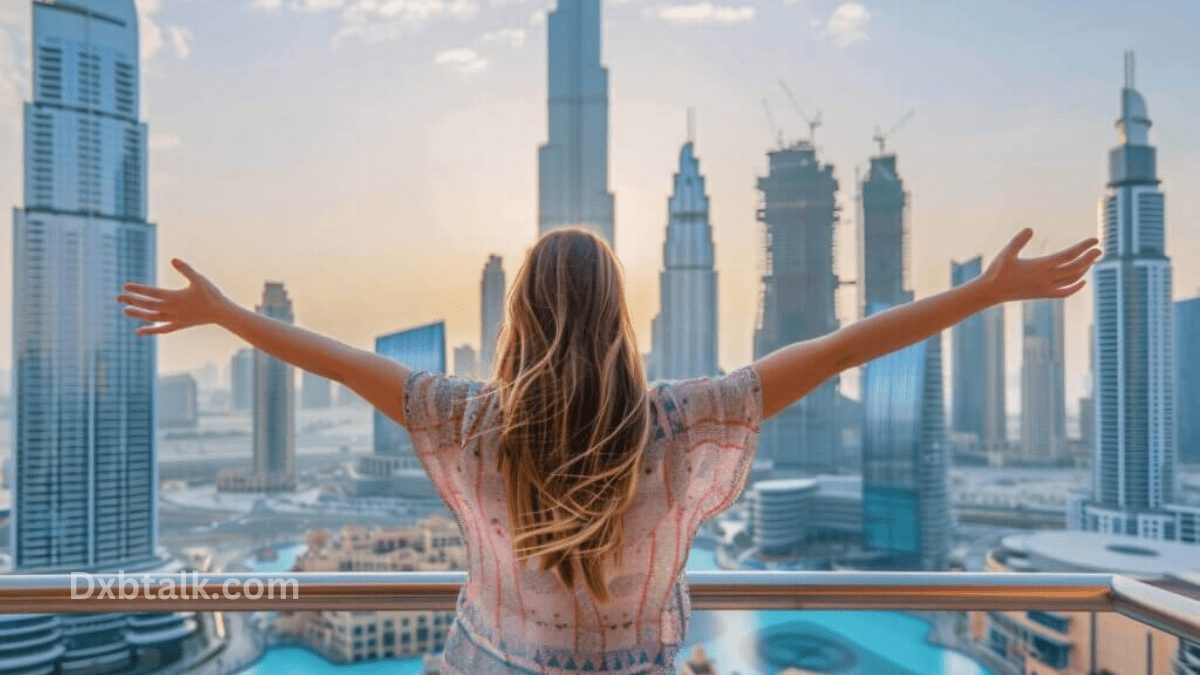
Cities become real estate hubs the way ports become trading hubs — geography proposes, policy disposes, and then momentum does the rest. Dubai is the modern case study: a market that draws capital, residents and developers from every continent, in volumes wildly disproportionate to its size. Strip the story to its structure and ten reasons explain the magnetism. Here they are, in the order a sceptical investor would test them.
Position and Plumbing
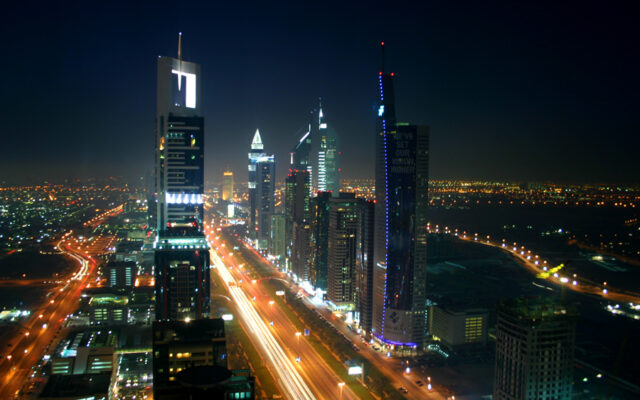
Location first: Dubai sits within a few hours’ flying time of billions of people, at the meeting point of Europe, Asia and Africa, and it converted that accident of latitude into the world’s busiest international aviation crossroads, ports and logistics to match. Infrastructure second: the airports, the metro, the road network and the digital backbone are not plans but operating systems, expanded relentlessly. A real estate hub is, before anything else, a place the world can reach and move around in — Dubai built that layer first and never stopped.
The Policy Stack
Then the rules, which are the true product. Foreign buyers may own freehold in designated areas. Individuals face no income tax, no annual property tax, no capital gains tax and no inheritance tax — stated precisely: the UAE has introduced a federal corporate tax for businesses, but the individual property investor’s position remains as described, and it is a headline reason capital parks here. Add transparent land registration, an escrow regime for off-plan sales, minimal bureaucracy by regional standards, and long-term residency visas linked to property investment — plus retiree and remote-work routes — and the policy stack reads as if designed by the buyers themselves. It was: iteratively, over twenty years of listening to them.
📸 Follow @dxbtalk1 on Instagram for daily Dubai in photos →
Economy, Yields and the Luxury Magnet
A diversified economy — tourism, trade, finance, technology, logistics — underwrites the demand, so the market is not a single industry’s dormitory. Rental yields, commonly cited among the highest of any major world city, do the persuading at the spreadsheet level, with popular districts like Dubai Marina, Downtown Dubai and Palm Jumeirah the perennial examples. The luxury tier acts as the magnet’s visible pole: Palm villas, Burj Khalifa residences, branded developments — and future icons such as the Dubai Creek Tower, announced with the ambition to surpass them all, its timeline a reminder that Dubai’s plans run on Dubai time. Global events compound the effect; Expo 2020’s legacy districts, Dubai South and Dubai Creek Harbour among them, still convert a world’s fair into housing demand years later.
Safety and the Future Tense
The Counterarguments, Weighed Honestly
A hub case that ignores the objections is a sales pitch, so weigh them. The market has corrected sharply in its history — the post-2008 and mid-2010s adjustments are written into every veteran investor’s caution — and supply arrives in waves that can soften rents in specific districts for years. Transaction and maintenance costs are real even in a low-tax system: agency fees, Land Department charges and service fees belong in any honest yield calculation. What the hub argument claims is not immunity but resilience: each correction has been met with structural reform — escrow laws, tenancy registration, visa innovation — and each recovery has started from a larger, more regulated, more genuinely inhabited city than the last. Investors are not buying a promise that prices only rise. They are buying a jurisdiction that treats their presence as policy.
Two soft factors close the case. Safety: Dubai’s low crime rate and effective law enforcement make it one of the world’s most secure big cities, a fact families and investors price in without saying so. And trajectory: the government plans in decades, builds in years, and treats the property market as national infrastructure — new districts, new transit, sustainability woven through both. A hub, in the end, is a place where the future keeps arriving early and the rules let you own a piece of it. Dubai has arranged to be that place, deliberately — and the world’s buyers keep agreeing.



Join the conversation