

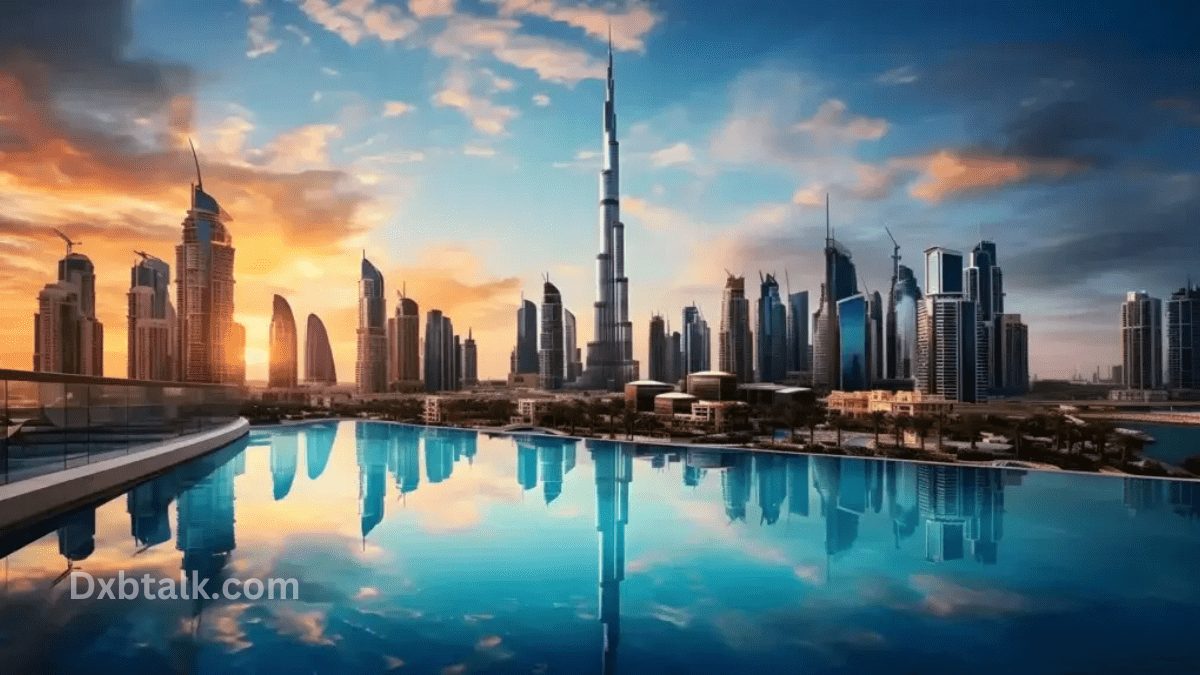
Dubai’s real estate market in 2025 remains one of the most closely watched in the world, and the investor interest is not mysterious: a diversified economy, a growing population, a transparent regulator and a property ladder that still, by global-city standards, lets buyers in at sane prices. This is the honest shape of the opportunity — the forces that support it, the yields investors cite, the routes in — together with the discipline the market demands in return, because 2025’s Dubai rewards research exactly as much as it rewards enthusiasm.
The Fundamentals Underneath
Start with the engine. Dubai’s economy runs on tourism, trade, logistics, finance and technology rather than any single commodity, and that diversification underwrites housing demand through cycles that punish narrower cities. Population growth does the rest: a steady influx of expatriate professionals, entrepreneurs and long-term residents — encouraged by long-term visa routes, including the golden visa and property-linked residence options — converts directly into tenants and buyers. The post-Expo legacy is visible in the map itself: the Expo site has matured into Expo City, and the districts around it, Dubai South among them, have moved from speculation to occupation, with the airport city’s long build-out behind them. Infrastructure keeps pace — roads, metro extensions, schools and hospitals follow the new communities on a schedule the region’s rivals rarely match. None of this guarantees any single purchase, but it explains why the market’s floor has historically been demand rather than sentiment.
Yields, Prices and the Investor’s Arithmetic
The number that draws the world’s landlords is the yield: gross rental returns in Dubai are commonly cited in the five-to-eight percent range in many districts, a level the mature global cities seldom offer, and the comparison survives the service charges and management costs that honest arithmetic must deduct. Set against that, capital values in the luxury and prime segments reached record levels through the recent cycle, and “affordable luxury” remains the market’s distinctive pitch — genuine high-end product at prices per square foot well below London, New York or Hong Kong equivalents. The tax environment supports the arithmetic: no annual property tax, no tax on rental income or capital gains for individual investors in the usual case, and transaction costs concentrated at purchase, principally the Dubai Land Department transfer fee, commonly cited at four percent. Off-plan property remains a major route in, with staged payment plans during construction and the possibility of appreciation before completion — balanced by delivery risk that the escrow and regulatory framework exists to manage, and that the buyer’s own diligence must still price.
📸 Follow @dxbtalk1 on Instagram for daily Dubai in photos →
Where the Money Is Looking
The Risks, Stated Plainly
A credible account includes the weather warnings. Dubai’s market is cyclical and has corrected sharply in the past; supply arrives in waves, and a district with cranes on every plot can soften its own rents for a season; global interest rates reach this market through its international buyer base. Off-plan purchases carry construction and timeline risk that regulation mitigates rather than abolishes, and yields quoted gross can shrink honestly once service charges, void periods and management are counted. None of this is an argument against the market — it is an argument for buying the way its professionals buy: verified titles, completed or escrow-protected product, conservative yield assumptions and a holding horizon measured in years.
Investor attention in 2025 spreads across three kinds of ground. The established prime districts — the Marina, Downtown, Palm Jumeirah — trade liquidity and proven tenant demand for lower yields. The growth corridors — the Expo City orbit, the newer master communities, the districts along the metro extensions — trade certainty for appreciation potential. And the green communities, Dubai Hills Estate and The Sustainable City among them, answer a real shift in tenant preference toward space, greenery and community amenities, a preference the pandemic years made permanent. The legal framework beneath all three is a genuine asset: title registration through the Land Department, regulated off-plan escrow, a rental index and dispute system, and freehold ownership for foreign buyers in designated areas. Verify current rules, fees and any project’s status with the Land Department and a regulated broker before committing — the market’s transparency rewards those who use it. Invested that way, Dubai real estate in 2025 is what it has been at its best: not a gamble on a skyline, but a position in a growing city’s housing demand, taken with open eyes.



Join the conversation