

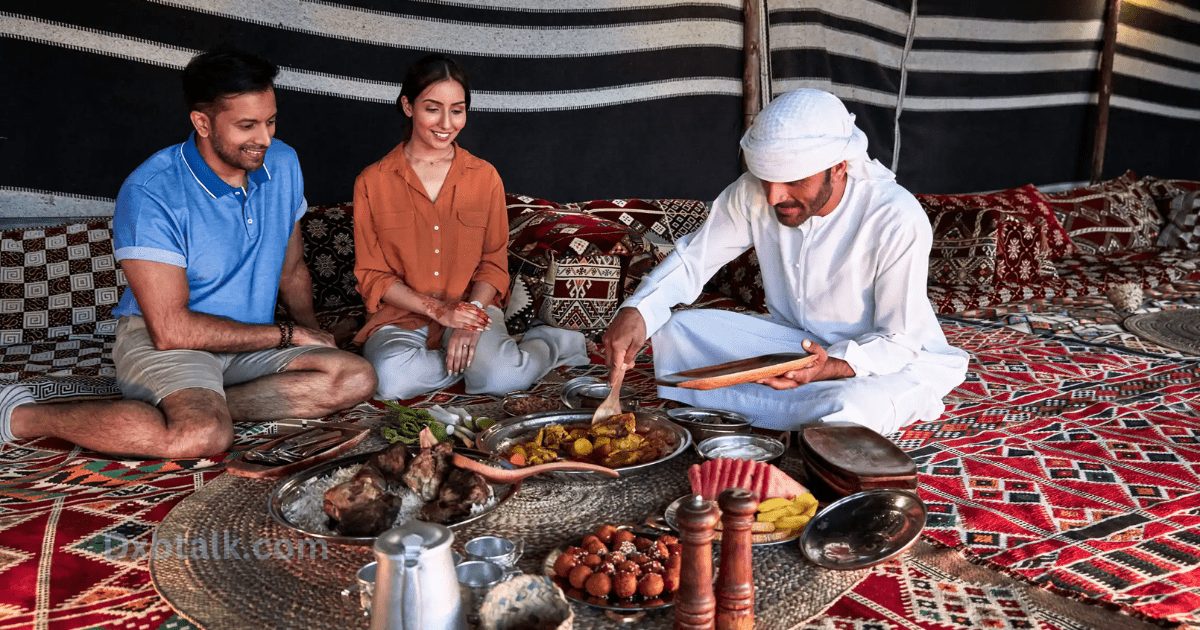
You can eat Emirati food in a restaurant and enjoy it. Cook it yourself, badly at first and then less badly, under the eye of someone who grew up with it — and you understand it. Dubai’s Emirati cooking classes exist for exactly that transfer: not recipes, but the judgement behind them — how much saffron is enough, when the harees has given up its resistance, why the luqaimat must hit the syrup while hot. Here is what the classes involve, where they run, and who gets the most from them.
The Dishes You Will Actually Learn
The curriculum is the canon. Machboos — rice cooked in spiced stock with meat or fish, the dish that anchors celebrations. Harees — wheat and meat beaten to a porridge over hours, Ramadan’s signature labour of patience. Balaleet — the sweet-savoury vermicelli breakfast topped with an omelette, the dish that confuses visitors and converts them. And luqaimat — the crisp dumplings drowned in date syrup that no Emirati gathering survives without. Around the dishes sits the pantry that explains them: dates as sweetener and staple, saffron, turmeric and cardamom as the spice grammar, seafood from the coast and lamb from the interior — a cuisine written by geography, Bedouin roots and the trade winds that brought India, Persia and East Africa into the pot.
Where the Classes Run
The Sheikh Mohammed Centre for Cultural Understanding in Al Fahidi is the cultural home of this teaching — its programmes pair Emirati food with the Centre’s famous open-door ethos, so the cooking comes with the conversation that gives it meaning. Al Fanar, the restaurant that recreates 1960s Dubai, has hosted workshops in the same spirit — heritage you can eat, taught where it is served. The city’s culinary schools and cooking studios run the third format: regional-cuisine modules and themed workshops inside professional teaching kitchens, better equipped and more technique-focused, where Emirati dishes take their place in a wider Gulf syllabus. Experience platforms list bookable sessions across all three styles — check schedules and themes, because Ramadan and National Day seasons bring special editions worth timing for.
📸 Follow @dxbtalk1 on Instagram for daily Dubai in photos →
Who Should Take One, and Why
Tourists get the souvenir that fits in no suitcase and outlasts every fridge magnet: a dish they can cook at home that carries a whole culture with it. Residents get something arguably better — literacy in the cuisine of the country they live in, and the confidence to order, host and eventually cook beyond the expat greatest-hits. Home cooks of any origin get transferable technique: spice layering, rice cookery, the management of sweetness and savour that Gulf cooking teaches better than most. Classes welcome beginners without condescension and give experienced cooks genuine material to work with; the mixed levels are part of the format, since Emirati cooking was always taught across a family kitchen’s generations rather than in levels.
The Pantry Lesson: Dates, Spices and the Sea
Every good Emirati class spends time on the pantry itself, and it is worth yours. Dates are not a garnish in this cuisine — they are the historical sweetener, the traveller’s ration and the coffee’s companion, and understanding their varieties changes how you taste the desserts. The spice grammar runs on saffron’s luxury, cardamom’s perfume and the warming blends that season rice and meat, layered rather than scattered. And the sea is never far: a coastline cuisine built on fish, dried and fresh, with the Gulf’s hamour and prawns carrying the memory of the pearling-era diet. Cooks who absorb the pantry can improvise honestly afterwards — which is the difference between learning three recipes and learning a cuisine.
Booking and Getting the Most From It
Book ahead — the cultural-centre sessions are small and the special seasons fill first. Arrive hungry and curious in equal measure; ask about the why of every dish, because the stories are the syllabus — which dish belongs to which occasion, what the date syrup means, how a pearling-era pantry became a celebration menu. Take notes on ratios rather than just steps; Emirati home cooking measures by hand and eye, and the class is your one chance to calibrate yours against an expert’s. Then cook the dish within a fortnight of the class, while your hands still remember. That repetition is where a cooking class becomes a piece of your own kitchen — and where Dubai stops being a place you ate in, and becomes a cuisine you carry.



Join the conversation