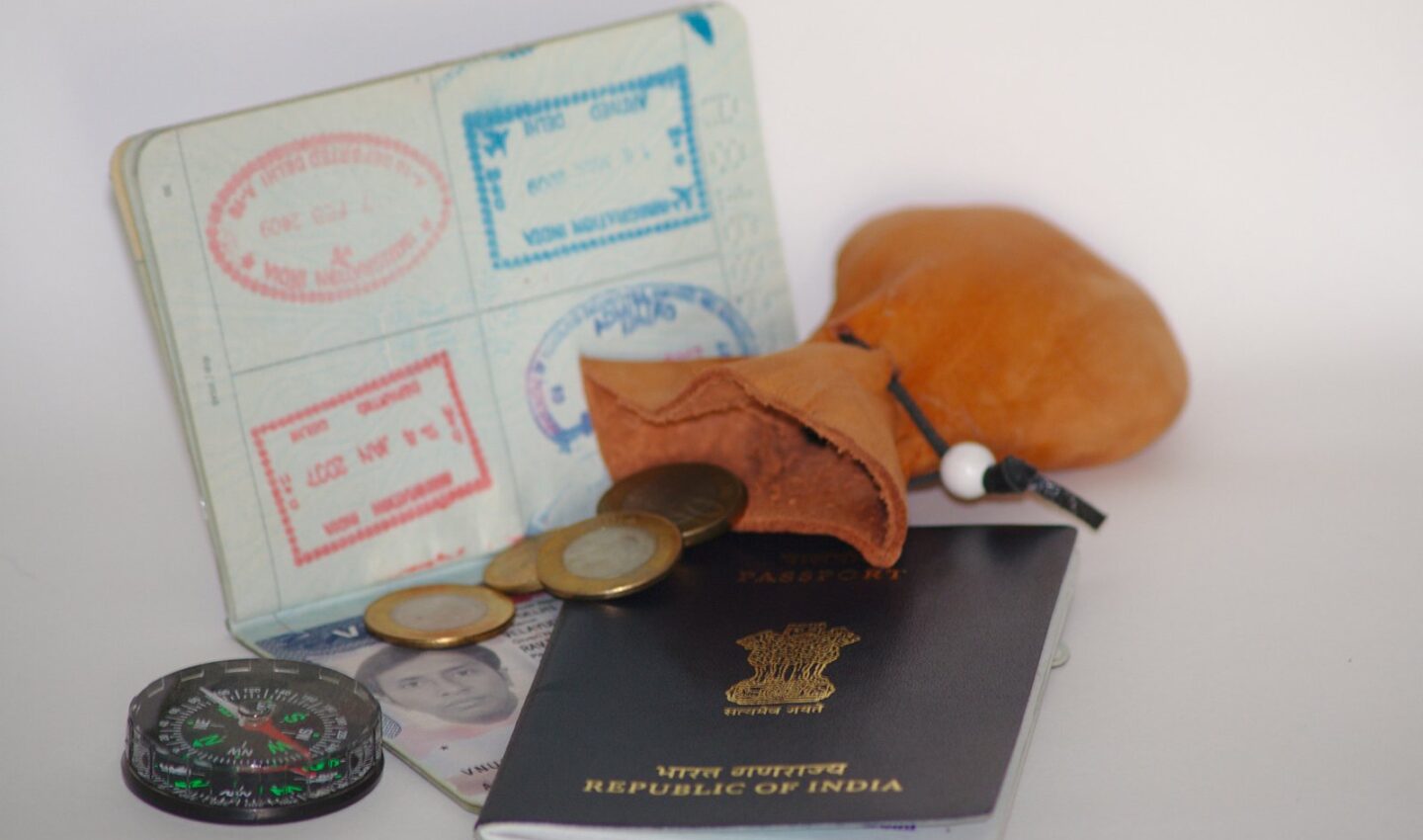
The UAE is one country with one immigration system and seven emirates whose names appear on your visa paperwork. Indian travellers worry about the mismatch more than the system does: a visa issued through Dubai channels is a UAE visa, and landing in Abu Dhabi or Sharjah on it is normal, lawful and done by planeloads of passengers daily.
Where the issuing emirate genuinely matters is later — extensions, changes and files. Here is the split.
Entry is federal; administration has an address
At the border, the officer sees a federal entry permit recorded against your passport; the issuing emirate is a data field, not a restriction. Enter through any international airport, seaport or land border post, exit through any other, and travel between emirates freely — there are no internal borders to stamp. Your permitted stay is a UAE stay, counted from the federal entry record.
Administration is where the address appears. Extensions, status changes and file corrections are handled in the system that issued the visa — GDRFA channels for Dubai-issued files, ICP for federal and other-emirate files — and a sponsor in Dubai cannot directly extend a Sharjah-issued permit through Dubai channels. Practically: keep your sponsor’s details and file reference; if you need to change anything, you will be routed to the right system, sometimes through a service centre that can transact across both. Residents, similarly, hold residence administered by their issuing emirate while living anywhere in the country — the address on the file is a filing fact, not a movement restriction.
- Airlines verify the permit, not the airport match — a Dubai visa on an Abu Dhabi flight is a non-event at check-in.
- Land entry from Oman or Saudi follows the same federal logic at the border post.
- When an agent asks ‘which emirate should issue it?’, the honest answer is usually ‘the one your sponsor files in’ — service quality beats geography.
The channels that actually issue UAE visas
Almost every UAE visa reaches you through one of five doors: an airline, a UAE hotel, a licensed travel agency, a UAE-resident or company sponsor, or a government service centre (Amer in Dubai, ICP and Tasheel elsewhere) for residence-linked categories. There is no legitimate ‘visa by WhatsApp with no sponsor’ channel — every entry permit sits in the immigration system against some sponsor or applicant file.
Whatever the door, the product is the same: an electronic entry permit recorded in the ICP or GDRFA system against your passport number. If a seller cannot show the permit in that system, you do not have a visa — you have a picture of one.
📸 Follow @dxbtalk1 on Instagram for daily Dubai in photos →
The core document set most files share
- Passport valid for at least six months, scanned in colour with no glare or cut corners
- Passport-size photograph on a plain white background, taken recently
- Completed application details exactly as printed in the passport — name order included
- Confirmed or planned travel dates and, where asked, flight and hotel details
- Supporting finances or sponsor documents, depending on the category
- For residence-linked files: attested certificates (degree, marriage, birth) as the category demands
Typing centres and service channels, honestly assessed
Much of the UAE’s visa life is transacted through Amer centres in Dubai and Tasheel and typing centres elsewhere — private or semi-private counters that operate the government systems for a service fee. The good ones are worth their fee twice over: they spot the document flaw the portal would reject, they know this month’s practice as opposed to last year’s rule, and their receipt is an official record.
The discipline is to use them as channels, not oracles: verify the filed result in the portal yourself, keep the official receipts, and remember that a typing centre’s confidence is not a government decision. The system decides; the centre transmits.
Mistakes that catch Indian applicants out
The same avoidable errors recur across thousands of files. These are the ones that attach to this route most often:
- Rebooking a cheaper flight into another emirate at the last minute and panicking about the visa instead of the ground transport.
- Going to a Dubai Amer centre to fix a federal file without the file reference that routes you correctly.
- Believing a ‘Dubai visa’ restricts you to Dubai — and missing Abu Dhabi on a trip it fully allowed.
Questions Indian applicants ask
My tourist visa was issued in Sharjah but I am staying in Dubai. Any issue?
None for the stay itself. Keep the Sharjah sponsor’s contact for any extension or change, since the file lives in their system.
Does my residence emirate affect my driving licence or car registration?
Those services have their own emirate-level administration, but they serve residents of the whole federation — your file’s emirate is a processing address, not a boundary.
Before you apply
Visa rules, fees and eligibility for Indian citizens change with little notice, and the version that applies to you is the one in force on the day you apply. Before paying anyone or booking non-refundable travel, verify the current requirements on the official portals — the Federal Authority for Identity, Citizenship, Customs and Port Security (ICP) at icp.gov.ae and, for Dubai-issued visas, the GDRFA — or through the airline or Amer centre handling your application.