

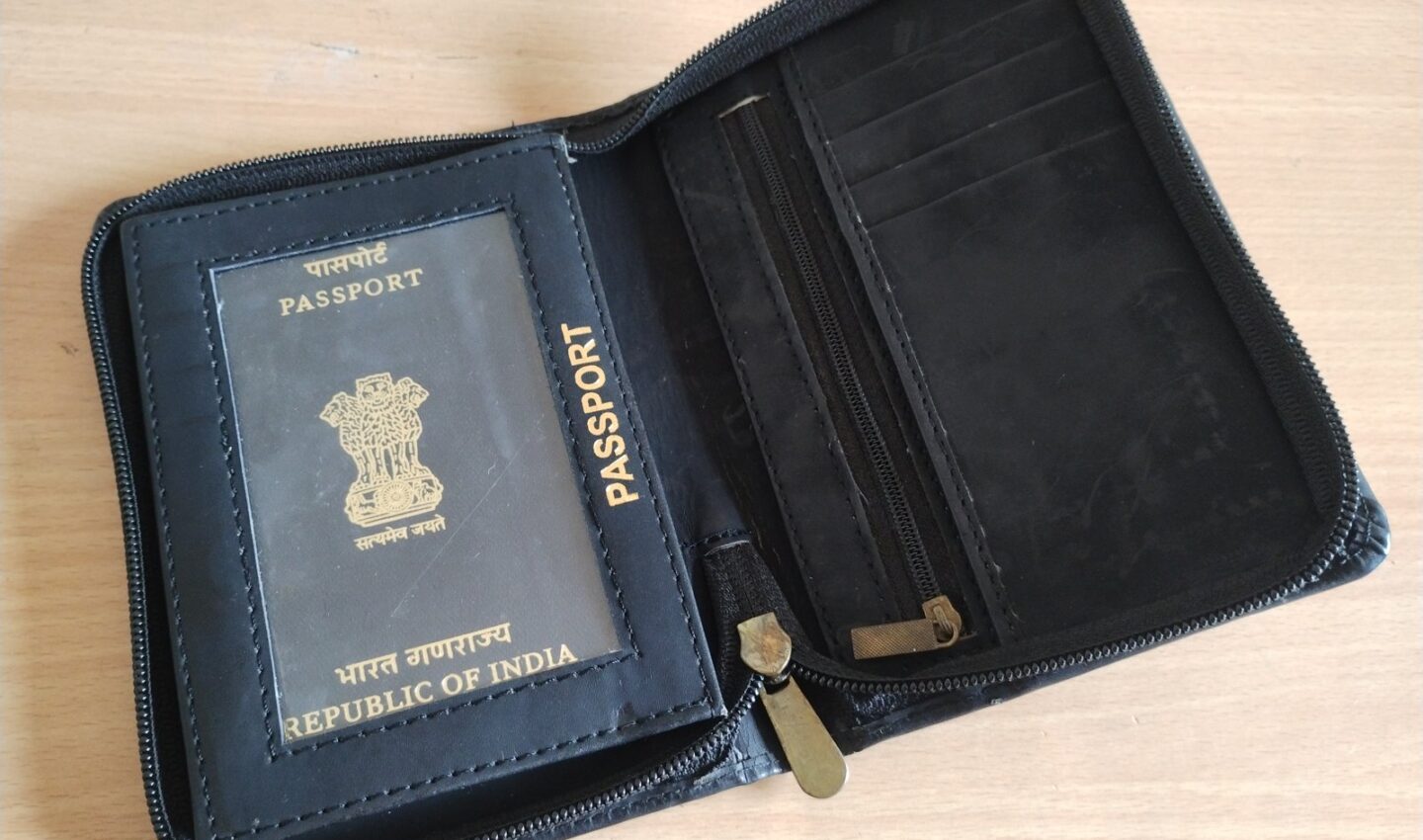
The headline number for the visa on arrival is 14 days: that is the stay an eligible Indian traveller is typically granted at the counter. With an extension, the same visit can usually be stretched to a total stay of around 60 days — but the extension is a separate, paid step, not an automatic right.
Most overstays by on-arrival visitors are simple counting errors. This guide sets out how the days are counted, when the extension must be filed, and what happens after the ceiling is reached.
How the days are counted
Your permitted stay runs from the entry date stamped or recorded when you land. Count the entry day carefully against your return flight: if you land late at night, you have still used day one. The exit must happen on or before the final permitted day — there is no general grace period to absorb a ‘close enough’ departure, and overstay fines accrue per day.
The extension, when granted, adds a further block of days to the same stay without you leaving the UAE — officials have structured it so an on-arrival visit can reach roughly 60 days in total. File the extension before the initial 14 days expire, through the ICP system, an Amer centre or the channel that applies to your entry emirate; an expired permit cannot be extended retroactively, only fined.
- After the maximum stay, the route is an exit and a fresh entry or a proper longer-stay visa — border runs are not a planning strategy.
- Extensions are discretionary and fee-bearing; approval is usual for clean files but never guaranteed.
- Keep the extension receipt with your passport — it is the document the check-in desk will want to see.
How the arrival process works
There is no application to file before you fly: eligibility is decided at the immigration counter on landing. Join the normal immigration queue with your passport and supporting documents ready, and tell the officer you are entering on the visa on arrival facility for Indian nationals holding a qualifying US, UK or EU status.
The officer verifies the qualifying visa or residence in the system, and the entry permit is stamped or issued electronically on the spot. Keep the payment receipt and note the exact expiry date of your permitted stay before you leave the counter — every later extension, fine or status question is counted from that date.
📸 Follow @dxbtalk1 on Instagram for daily Dubai in photos →
Documents to have in hand at the counter
- Indian passport valid for at least six months beyond your arrival date
- The qualifying US visa, green card or UK/EU residence permit, valid on the day you land
- A confirmed return or onward ticket within your permitted stay
- Hotel booking or the address and contact details of your host in the UAE
- Travel insurance covering your stay (strongly recommended; mandatory for some extensions)
- A payment card for the entry fee — cash desks are not guaranteed at every terminal
What happens if the officer wants a closer look
A referral to secondary inspection is a process, not a verdict: an officer reviews the documents in more depth, sometimes phones your host or hotel, and occasionally waits for a system response from another authority. It can take twenty minutes or two hours, and it ends in an entry stamp far more often than in a refusal. The travellers who come through it best are the ones whose documents were already organised — the inspection is, in effect, the checklist in this guide being read back to you slowly.
If you are travelling onward the same day, tell the officer early: a recorded onward connection concentrates minds on both sides of the counter, and where discretion exists it is exercised for passengers whose paperwork and timings are visibly in order.
Mistakes that catch Indian applicants out
The same avoidable errors recur across thousands of files. These are the ones that attach to this route most often:
- Counting 14 days from the first full day instead of the landing day — the classic one-day overstay.
- Waiting until the permit has expired to ask about extending; every channel will talk fines before extensions at that point.
- Assuming a new 14 days restarts by crossing to Oman for a weekend — re-entry is a fresh decision, and officers see the pattern.
Questions Indian applicants ask
Is the 60-day total a right or a favour?
Treat it as a structured possibility, not an entitlement: the initial grant is 14 days, and the extension is an application that can be refused. Build return plans that survive a refusal.
Do children get the same 14 days?
Yes — each traveller’s permit stands alone, including infants, and each needs its own extension if the family stays longer.
Before you apply
Visa rules, fees and eligibility for Indian citizens change with little notice, and the version that applies to you is the one in force on the day you apply. Before paying anyone or booking non-refundable travel, verify the current requirements on the official portals — the Federal Authority for Identity, Citizenship, Customs and Port Security (ICP) at icp.gov.ae and, for Dubai-issued visas, the GDRFA — or through the airline or Amer centre handling your application.




