Dubai runs on systems, and daily life in Al Garhoud sits at the crossing of several of them. Get the sequence right and it is a morning’s work; get it wrong and it follows you for months. Here is the sequence, the paperwork, and the local knowledge that turns a bureaucratic obstacle course into a routine errand.
Costs: how to think about the money
Resist any single quoted figure for daily life in Al Garhoud — including from well-meaning friends. Costs here split into official fees (published, fixed, and worth checking on the authority’s own schedule rather than through an intermediary), market prices (negotiable, seasonal, and different by district), and the hidden third category: the cost of doing it in the wrong order, which usually arrives as a second fee, a second trip or a second deposit.
Build your budget from three live quotes wherever the market is involved, add a contingency you genuinely keep untouched, and treat ‘cheap’ offers that skip official steps as the most expensive option on the table. In Dubai the boring, receipted route is almost always the cheapest route by the end of the year.
Timing: when to do what
Timing shapes outcomes here more than most cities. The working week runs Monday to Friday, government counters are calmest early in the morning, and the calendar bends around Ramadan (shorter official hours, slower processing, evenings that come alive) and the summer months, when decision-makers travel and some processes stretch. School, tenancy and visa cycles interlock: a September school start implies a spring application, a summer tenancy signing and documents attested before either.
Plan backwards from the date that cannot move — the lease start, the school term, the visa expiry — and put your own deadlines a fortnight ahead of the official ones. The residents who glide through Dubai’s systems are not better connected; they are simply earlier.
📸 Follow @dxbtalk1 on Instagram for daily Dubai in photos →
Working without an office here
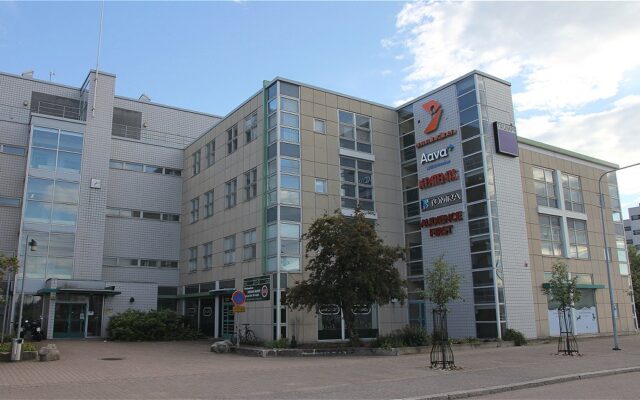
Al Garhoud is an established area beside the airport and Garhoud Bridge, known for the Irish Village and aviation-linked housing. For remote workers that means the realistic options are dedicated coworking spaces in or near the district, hotel business lounges, and the many cafes that quietly tolerate laptops. Dedicated spaces sell hot desks, fixed desks and small offices by the month, usually with meeting rooms, printing and a trade-licence-friendly address add-on — check whether that address service is included before you rely on it.
Coworking demand in Al Garhoud follows the resident mix: professionals between offices, founders who outgrew the kitchen table, and remote employees of overseas companies. The spaces nearby compete on community and events as much as desks, so trial days are normal — take one before committing, and test the Wi-Fi and noise at the hour you would actually work.
Cafes, Wi-Fi and working etiquette
Cafe working in Dubai is accepted in most speciality coffee shops, and Al Garhoud has the usual spread — quieter independents on weekdays, busier chains at weekends. The unwritten rules: keep ordering if you stay for hours, take calls outside or in a corner, and do not count on power sockets at every seat. Connection speeds are generally strong, but for video-call-heavy days a coworking day pass is the safer bet than hoping a cafe stays quiet.
Check the practical details before settling into a cafe routine in Al Garhoud: parking cost and validation, prayer-time and lunch-rush crowding, and whether the cafe discourages laptops at peak weekend hours, as a few do. Libraries and community spaces are another underused option — quiet, free or cheap, and good for deep-work days.
Common questions
Where do residents get reliable local detail?
Community groups for your district, school or workplace hold the lived detail — which branch is quick, what the process felt like last month. Combine that texture with the official source for the rule itself, and you have the full picture.
Can I do most of this online?
Mostly, yes — Dubai has moved the majority of resident transactions into official apps and portals. The steps that still need your presence are usually biometrics, medicals, signatures and original-document sighting. Start online, and attend in person only for the step that requires your body.
What is the most common mistake?
Acting on out-of-date advice. Systems here change yearly; a friend’s experience from a previous contract or a previous visa is a starting point, not a rule. The second most common mistake is paying an intermediary for a step the official app handles directly.
Where do residents get reliable local detail?
Community groups for your district, school or workplace hold the lived detail — which branch is quick, what the process felt like last month. Combine that texture with the official source for the rule itself, and you have the full picture.
The bottom line
None of this needs to be stressful. daily life in Al Garhoud rewards the same three habits as everything else in Dubai: start earlier than feels necessary, keep every reference number, and verify the final step on the official channel. Do that, and consider it handled — and keep dxbtalk.com bookmarked for the next system you meet.