Dubai runs on systems, and daily life in Al Jaddaf sits at the crossing of several of them. Get the sequence right and it is a morning’s work; get it wrong and it follows you for months. Here is the sequence, the paperwork, and the local knowledge that turns a bureaucratic obstacle course into a routine errand.
Cheap eats culture in Al Jaddaf
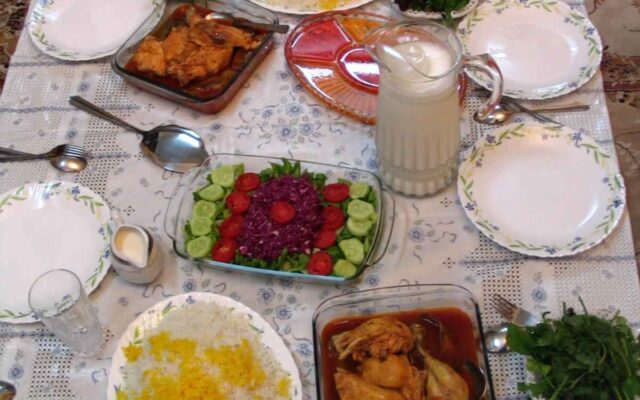
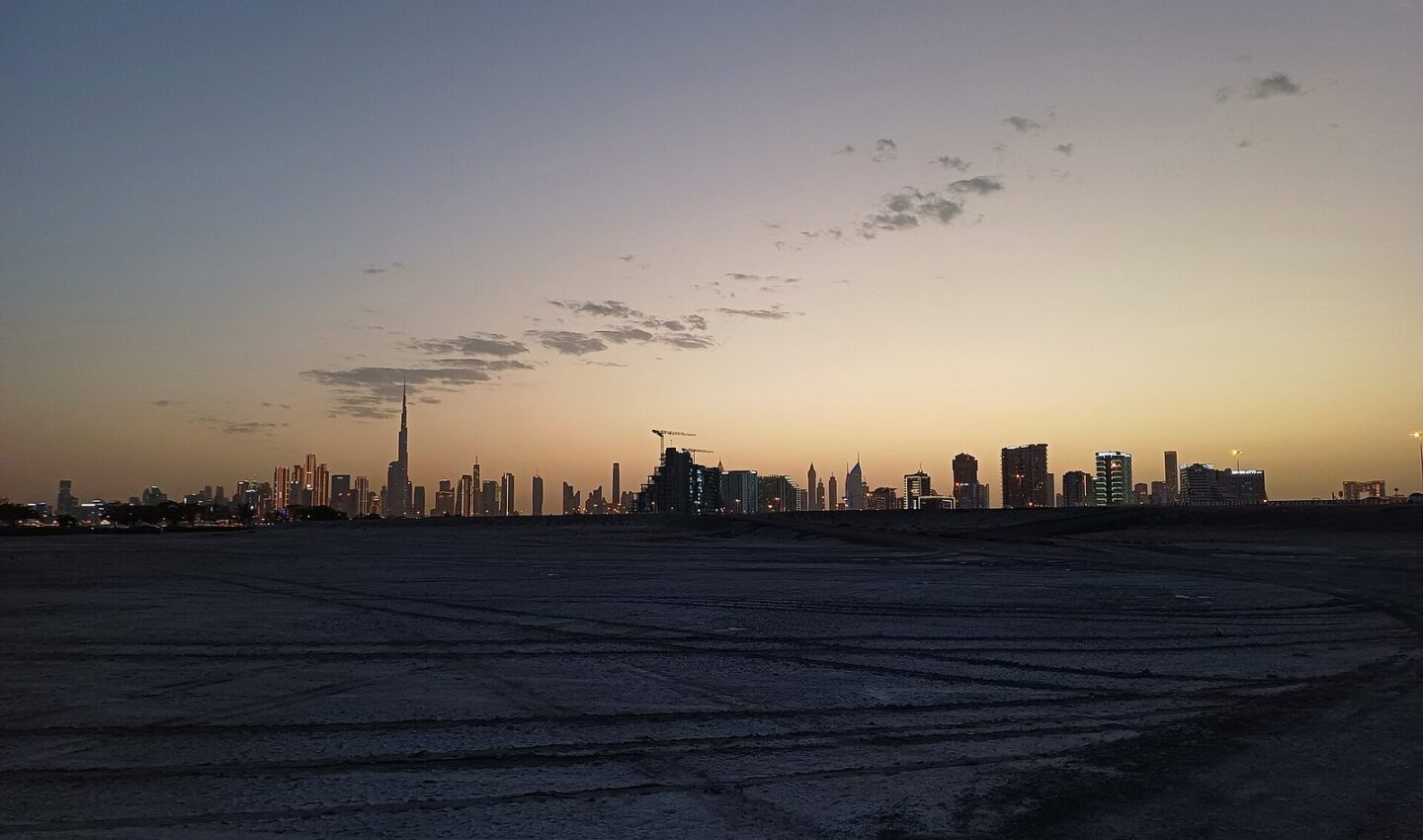
Al Jaddaf is a developing Creek-side district beside Culture Village, with new hotels and apartment towers. Dubai’s cheap-eats scene is one of its great equalisers: cafeterias serving karak chai and paratha, shawarma stands, South Indian mess-style restaurants, Filipino bakeries, Pakistani barbecue and Afghan kebab houses — many feeding you well for the price of a coffee elsewhere. In Al Jaddaf, the best value concentrates where workers and long-term residents eat, not where the décor budget went.
The cafeteria is the institution to understand first: order at the counter, expect plastic chairs and serious cooking, and try the items the regulars order rather than the full menu. Shawarma quality is judged locally by the queue at the spit around 8pm — join the longest one.
Hygiene, timing and etiquette
Dubai’s food control is strict and cheap does not mean risky: look for the municipality hygiene rating displayed in most establishments and trust turnover — a busy cafeteria cycles food fast. Peak hours are lunch (12-2) and after 8pm; Ramadan flips the day, with cafeterias at their best in the hour after iftar and some closed until evening.
Carry small cash for the smallest places even though most take cards, tip modestly in cash, and do not photograph staff or other diners without asking. Delivery apps list many Al Jaddaf cafeterias too, but the food travels badly compared with eating at the counter — cheap eats are a go-there pleasure.
📸 Follow @dxbtalk1 on Instagram for daily Dubai in photos →
What to order and where to look
Anchor dishes to hunt in and around Al Jaddaf: chicken shawarma with garlic and pickles, fresh paratha with dal or omelette, idli and dosa at South Indian spots, machboos and harees at Emirati/local kitchens, grilled hammour at fish cafeterias near the coast, and karak from the cafeteria window — ordered by the cup for the car. Vegetarians eat exceptionally well in old-Dubai-style cheap eats: the Indian and Pakistani kitchens of districts like Al Jaddaf run deep meat-free menus.
Explore in a pattern: pick one street or cluster per outing, eat small at two or three places, and note the one you would return to. Cheap eats reward regulars — the second visit, when the staff know your order, is when the extra piece of chicken appears.
Step by step: getting this right
Work through it in this order. First, gather the facts that apply to you — your documents, your dates and your budget — because almost every wrong turn in Dubai comes from acting on general advice before checking your own position. Second, use the official channel for anything with a fee or a legal effect: the authority’s app or portal, or the service centre that handles it in person.
Third, keep a record of every step: reference numbers, receipts, screenshots and the names of counters you visited. Dubai’s systems are joined up enough that a reference number from one step unlocks the next, and fragmented enough that you will be asked for it. Residents who keep a simple folder — phone scans plus one physical file — move through this city noticeably faster than those who rely on memory.
The long view
It is worth remembering what all this admin is for. Dubai rewards the settled: the resident with clean records, a stable address history and documents in order finds that doors open quickly — credit, tenancies, visas for family, business opportunities. The systems described in this guide are the toll gates on that road, and they are all, individually, quite passable. Take them one at a time, in the right order, and the city becomes remarkably easy to live in.
Common questions
Where do residents get reliable local detail?
Community groups for your district, school or workplace hold the lived detail — which branch is quick, what the process felt like last month. Combine that texture with the official source for the rule itself, and you have the full picture.
Can I do most of this online?
Mostly, yes — Dubai has moved the majority of resident transactions into official apps and portals. The steps that still need your presence are usually biometrics, medicals, signatures and original-document sighting. Start online, and attend in person only for the step that requires your body.
What is the most common mistake?
Acting on out-of-date advice. Systems here change yearly; a friend’s experience from a previous contract or a previous visa is a starting point, not a rule. The second most common mistake is paying an intermediary for a step the official app handles directly.
Where do residents get reliable local detail?
Community groups for your district, school or workplace hold the lived detail — which branch is quick, what the process felt like last month. Combine that texture with the official source for the rule itself, and you have the full picture.
The bottom line
None of this needs to be stressful. daily life in Al Jaddaf rewards the same three habits as everything else in Dubai: start earlier than feels necessary, keep every reference number, and verify the final step on the official channel. Do that, and consider it handled — and keep dxbtalk.com bookmarked for the next system you meet.