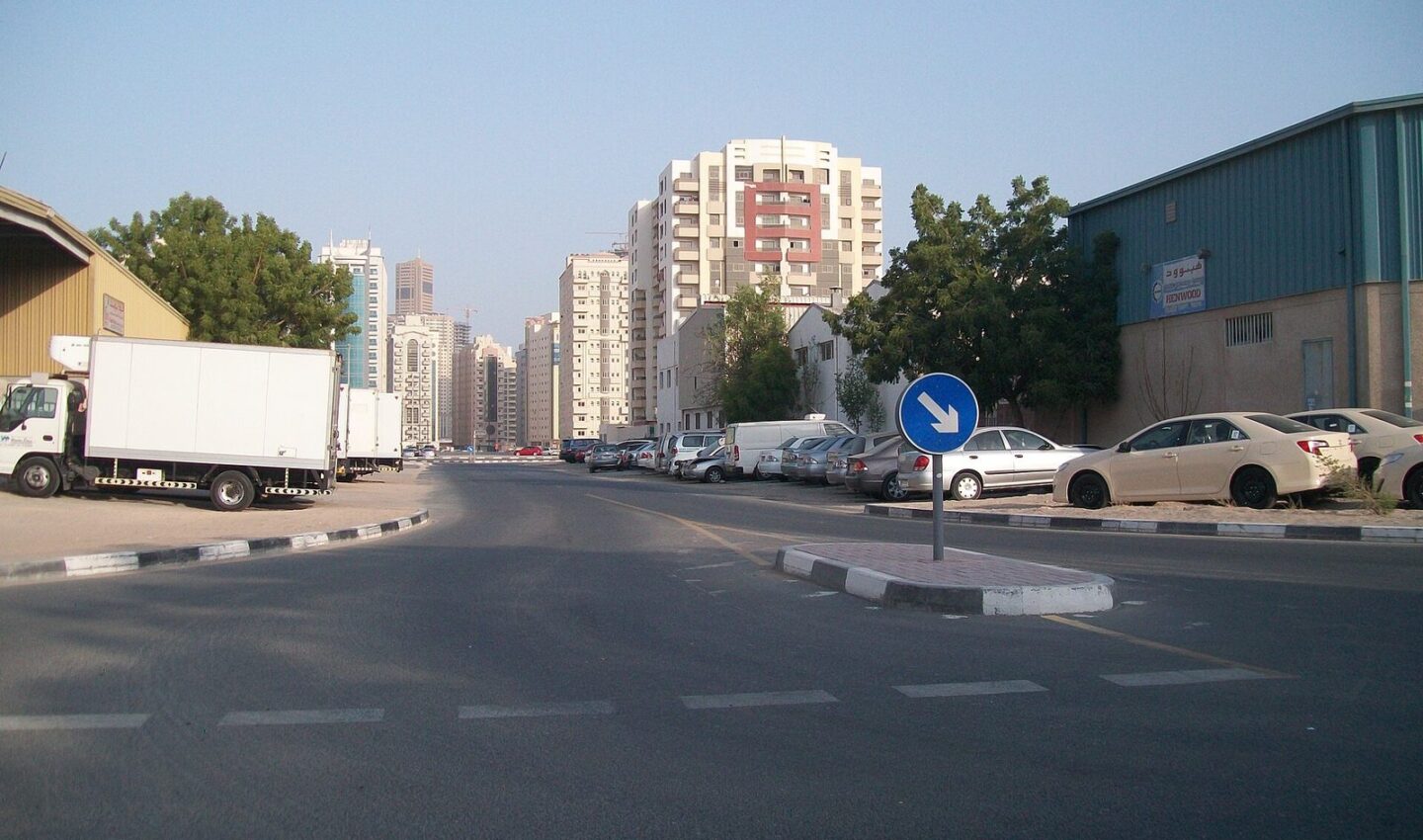
Dubai runs on systems, and daily life in Al Qusais sits at the crossing of several of them. Get the sequence right and it is a morning’s work; get it wrong and it follows you for months. Here is the sequence, the paperwork, and the local knowledge that turns a bureaucratic obstacle course into a routine errand.
Studio living in Al Qusais
Al Qusais is a large, established Deira district near the airport and the Sharjah border, full of schools and driving institutes. Studios here follow the citywide pattern: newer towers offer open-plan units with proper kitchens and building gyms and pools, older blocks offer bigger floor areas with fewer frills. For a first Dubai home, a studio in Al Qusais is often the smart money — lower rent, lower DEWA, less furniture to buy — provided the layout separates sleeping from living with at least a visual trick and the storage is honest.
Check the specific things studio photos hide: window size and direction (west-facing glass in summer is a serious AC load), kitchen ventilation, bathroom storage, and where a desk actually fits if you work from home. In Al Qusais, view at the hour you would be home — evening noise and corridor smells are studio-life details no floor plan shows.
Rent, cheques and total cost
Annual leases in Dubai are commonly paid in one to four cheques (monthly payments are growing via direct debit and rent-now-pay-later services); studios rented monthly or in more cheques carry a premium. Total the real cost before comparing Al Qusais studios: rent, DEWA (studios are cheap to cool, a genuine advantage), district cooling charges if the building uses it, internet, and parking if it is not included. A slightly pricier studio with chiller included and parking can beat a ‘cheap’ one on total cost.
Ejari registration, the agency fee (conventionally a percentage of annual rent) and the DEWA deposit are the standard move-in extras. Everything is negotiable except the official fees — in a soft market, an extra cheque split or a month’s grace is often available for the asking.
📸 Follow @dxbtalk1 on Instagram for daily Dubai in photos →
Step by step: getting this right
Work through it in this order. First, gather the facts that apply to you — your documents, your dates and your budget — because almost every wrong turn in Dubai comes from acting on general advice before checking your own position. Second, use the official channel for anything with a fee or a legal effect: the authority’s app or portal, or the service centre that handles it in person.
Third, keep a record of every step: reference numbers, receipts, screenshots and the names of counters you visited. Dubai’s systems are joined up enough that a reference number from one step unlocks the next, and fragmented enough that you will be asked for it. Residents who keep a simple folder — phone scans plus one physical file — move through this city noticeably faster than those who rely on memory.
Getting help: official channels and community knowledge
Two kinds of help exist and they are good at different things. Official channels — the authority’s app, call centre and service centres, plus licensed service centres such as Amer and the typing centres — own the rules and the transactions. Community knowledge — the residents’ groups for your district, school or nationality — owns the lived detail: which branch is efficient, which counter to ask for, what the process felt like last month.
Use them in that order for anything with legal or financial weight: official source for the rule, community for the texture. Be wary of any individual who offers to bypass an official step for a fee — in a city this digitised, the bypass is usually a detour into a scam the authorities warn about by name.
Common questions
Where do residents get reliable local detail?
Community groups for your district, school or workplace hold the lived detail — which branch is quick, what the process felt like last month. Combine that texture with the official source for the rule itself, and you have the full picture.
Can I do most of this online?
Mostly, yes — Dubai has moved the majority of resident transactions into official apps and portals. The steps that still need your presence are usually biometrics, medicals, signatures and original-document sighting. Start online, and attend in person only for the step that requires your body.
What is the most common mistake?
Acting on out-of-date advice. Systems here change yearly; a friend’s experience from a previous contract or a previous visa is a starting point, not a rule. The second most common mistake is paying an intermediary for a step the official app handles directly.
Where do residents get reliable local detail?
Community groups for your district, school or workplace hold the lived detail — which branch is quick, what the process felt like last month. Combine that texture with the official source for the rule itself, and you have the full picture.
The bottom line
The pattern underneath daily life in Al Qusais is the pattern underneath most of Dubai life: the systems work, the paperwork is the price, and preparation is the discount. Do it once, properly, and you join the residents who find this city easy. More step-by-step resident guides live at dxbtalk.com.