

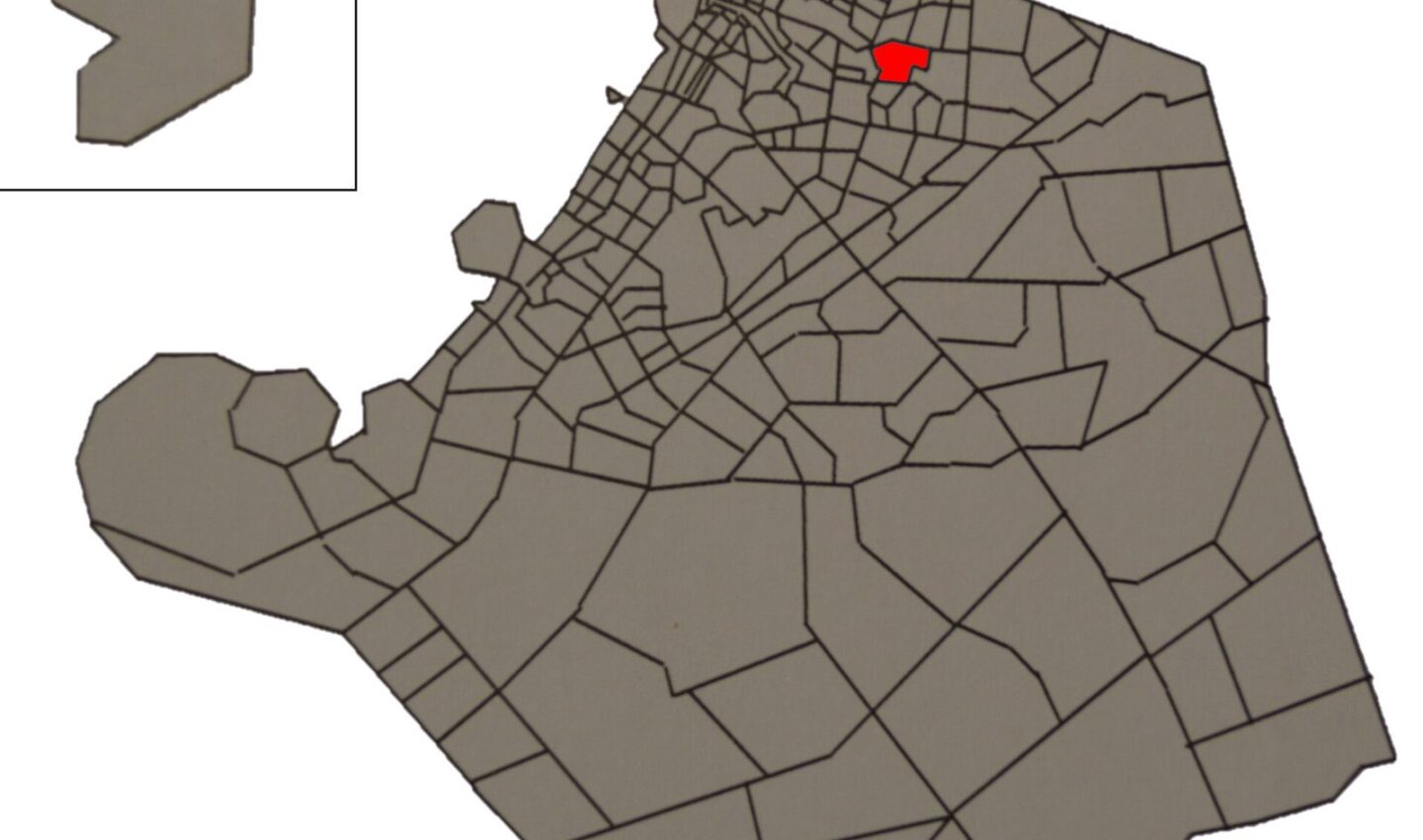
This is a practical guide to daily life in Mirdif — written for people who live here, not visitors passing through. It covers the systems you will deal with, the documents and decisions that matter, and the mistakes that cost residents time and money, in the order you will actually meet them.
Metro, buses and the commute maths
If Mirdif sits within a short walk or feeder ride of a station, a metro commute beats driving on both cost and sanity for the Sheikh Zayed Road corridor and Deira/Bur Dubai routes: no Salik, no parking, predictable timing. Peak crowding is real (7:30-9am toward the business districts) — shifting your start by thirty minutes transforms the experience. First/last train times change on weekends and holidays; check the RTA app rather than assuming.
For cross-town trips off the metro spine — into Dubailand, Al Barsha, the villa suburbs — buses involve changes and the car or taxi wins. Many Mirdif households run a hybrid: metro for the work commute, a car (or Careem habit) for weekends and the school-and-shop circuit.
Getting around from Mirdif
Mirdif is an established, villa-led suburb near the airport, popular with families and airline staff. Your transport reality depends on three things: distance to a metro station (Red and Green lines cover the city’s spine), the bus network that feeds the stations, and how much of your life sits within taxi distance. The Nol card unifies metro, bus, tram and paid parking; the RTA’s S’hail app plans journeys and shows live timings. From Mirdif, map your two or three daily journeys honestly before deciding you need a car.
Feeder buses are the underrated layer — frequent on main corridors, air-conditioned, and timed to the metro. Bus stops and shelters vary; summer walking distance to a stop is a real constraint, so measure it in minutes of shade, not metres on a map.
📸 Follow @dxbtalk1 on Instagram for daily Dubai in photos →
Costs: how to think about the money
Resist any single quoted figure for daily life in Mirdif — including from well-meaning friends. Costs here split into official fees (published, fixed, and worth checking on the authority’s own schedule rather than through an intermediary), market prices (negotiable, seasonal, and different by district), and the hidden third category: the cost of doing it in the wrong order, which usually arrives as a second fee, a second trip or a second deposit.
Build your budget from three live quotes wherever the market is involved, add a contingency you genuinely keep untouched, and treat ‘cheap’ offers that skip official steps as the most expensive option on the table. In Dubai the boring, receipted route is almost always the cheapest route by the end of the year.
How this connects to the rest of Dubai life
Nothing in this guide sits alone. daily life in Mirdif touches your housing, your banking, your children’s schooling or your employer’s paperwork — usually two of those at once. That is why the sequencing advice in these guides keeps repeating: identity and residency first, then the tenancy and utility chain, then the money systems, then the lifestyle layer. Each completed layer makes the next one a formality.
It is also why small administrative untidiness compounds: an out-of-date phone number on your ID record blocks a bank OTP, which blocks a payment, which blocks a renewal. Keep the foundations current — ID, number, address records, document scans — and the whole city’s machinery stays oiled on your behalf.
If your situation is not standard
Guides describe the standard case; lives are not standard. A second nationality, a previous overstay, a child with additional needs, a business with an unusual structure — any of these routes you to the discretionary, in-person version of the process. That is not a failure of the system: the service centres exist precisely for the files that do not fit the app. Go early, take everything, explain once and clearly, and let the officer tell you the route rather than guessing it from forums.
Common questions
What is the most common mistake?
Acting on out-of-date advice. Systems here change yearly; a friend’s experience from a previous contract or a previous visa is a starting point, not a rule. The second most common mistake is paying an intermediary for a step the official app handles directly.
Where can I double-check the current rules?
On the official channel for the authority involved — its website, app or service centre — because fees, hours and procedures for daily life in Mirdif are updated by official decision and summaries like this one age. Verify the step you are about to pay for, on the day you pay for it.
What is the most common mistake?
Acting on out-of-date advice. Systems here change yearly; a friend’s experience from a previous contract or a previous visa is a starting point, not a rule. The second most common mistake is paying an intermediary for a step the official app handles directly.
Where do residents get reliable local detail?
Community groups for your district, school or workplace hold the lived detail — which branch is quick, what the process felt like last month. Combine that texture with the official source for the rule itself, and you have the full picture.
The bottom line
None of this needs to be stressful. daily life in Mirdif rewards the same three habits as everything else in Dubai: start earlier than feels necessary, keep every reference number, and verify the final step on the official channel. Do that, and consider it handled — and keep dxbtalk.com bookmarked for the next system you meet.





