

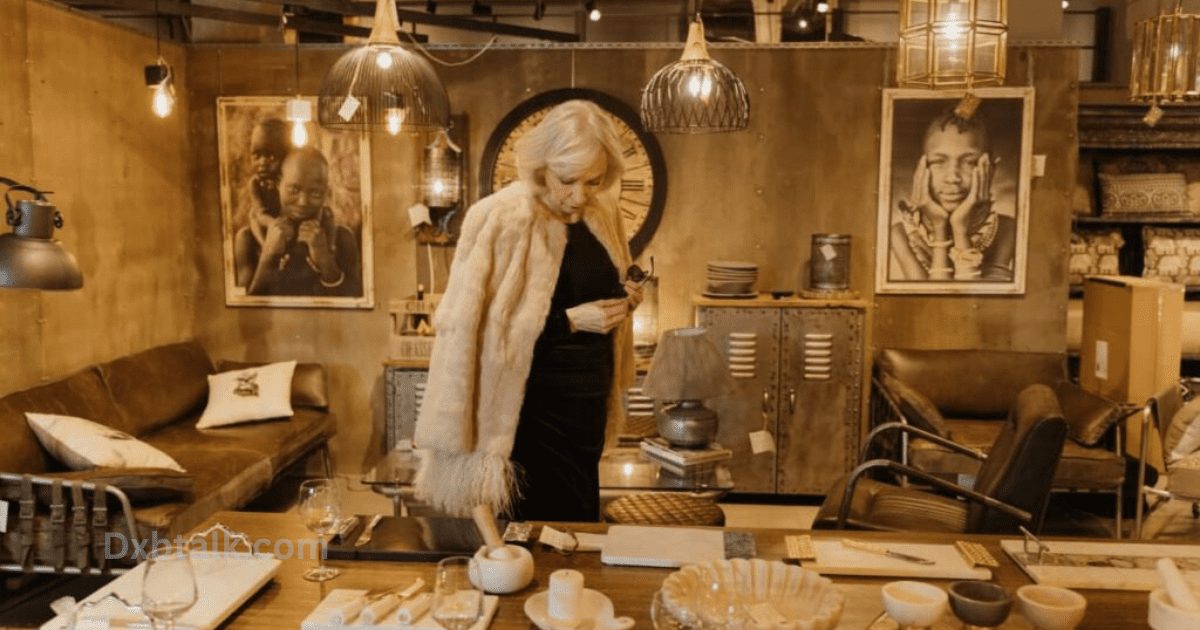
Dubai’s antique trade does not announce itself. There is no antiques quarter with a brass plaque — there are souk lanes in Deira where a brass lamp might be last year’s or last century’s, warehouse dealers in Al Quoz whose stock arrives by the container, and neighbourhood shops in Satwa and Karama where the hunting is half the price of the find. For collectors and the simply curious, the city rewards those who know where the layers are. Here is the map.
Deira: The Old Souk’s Antique Shops
The oldest layer is the oldest district. Around Deira’s Old Souk and its neighbouring lanes, antique and curio shops trade in the material culture of the Gulf and its trade routes: old perfume bottles and brass coffee pots, astrolabes and daggers, vintage coins, carpets, and the carved doors and chests that once furnished the Creek-side houses. The stock is gloriously mixed — genuine period pieces beside honest reproductions beside tourist ware — which is precisely why Deira rewards knowledge and patience. Prices open high and negotiate warmly; the haggle is not a battle but the district’s social form, and a fair deal usually ends with tea. Go in the morning, when the lanes are cool and the shopkeepers have time to tell you what you are holding.
Al Quoz: The Warehouse Dealers
The trade’s working heart beats in Al Quoz, where dealers store and restore at warehouse scale — mid-century furniture, vintage signage, architectural salvage, and container-loads of stock from across the region and Europe. This is where interior designers, film productions and serious collectors shop, and it behaves accordingly: stock turns over constantly, what you see is what exists, and the best pieces leave with whoever walks in first. Prices here are firmer than the souk’s, knowledge is assumed, and the joy is archaeological — digging a genuinely remarkable object out of a warehouse row that looked, from the car park, like a tyre depot. Pair the warehouses with the district’s framing and restoration workshops and you can buy a piece and its future in the same afternoon.
📸 Follow @dxbtalk1 on Instagram for daily Dubai in photos →
Satwa, Karama and the Neighbourhood Hunt
The third layer is the neighbourhood shop: the small antique-and-curiosity stores of Satwa and Karama, districts where vintage furniture, old prints, radios, jewellery and the accumulated objects of fifty expatriate communities wash up at honest prices. Neither district performs for tourists, which is their charm — these are shops serving residents who furnish flats and chase the specific, and visitors who find them join a local sport. Bargaining is expected, stock is unrepeatable, and the finds skew personal: the lamp, print or teapot that is not valuable in any catalogue and is exactly right for your shelf. The Dubai International Art Centre in Jumeirah adds a genteel fourth note — exhibitions and sales where older paintings and objects appear in a gallery setting, provenance attached.
What to Look For: The Gulf’s Material Memory
Knowing what the region itself produced sharpens every hunt. The classic Gulf pieces carry their geography in them: coffee pots and dallahs in the old forms, Bedouin silver jewellery heavy with coins and coral, carved chests built for the dhow trade, khanjars and rifles from the mountain interior, pearling-era weights and measures, and the navigation instruments of a seafaring economy. Alongside them sits the import layer the port accumulated — Indian brass, Persian carpets, Chinese porcelain re-exported through a dozen hands. A buyer who can tell the local from the merely passing-through reads every shop in this guide differently, and usually buys better. The dealers respect the knowledge, too; in the antique trade, a good question is a form of currency.
Hunting Well: A Method
Three habits separate collectors from browsers. Learn the marks of age before spending on them — wear patterns, construction methods, the patina that cannot be sprayed on — because every market in the world mixes eras, and Dubai’s honesty about the mix varies shop by shop. Ask for the story and weigh it like evidence: a plausible provenance raises value, a theatrical one lowers it. And set your ceiling before the haggle begins; the souk rewards the buyer who can walk away smiling. What Dubai’s antique markets finally offer is not just objects but the city’s own archaeology — the material memory of a port that traded with everywhere, sold by people who know what it all meant. Miss them, and you have seen only the Dubai that was built yesterday. These shops are where the older city is still on sale.



Join the conversation